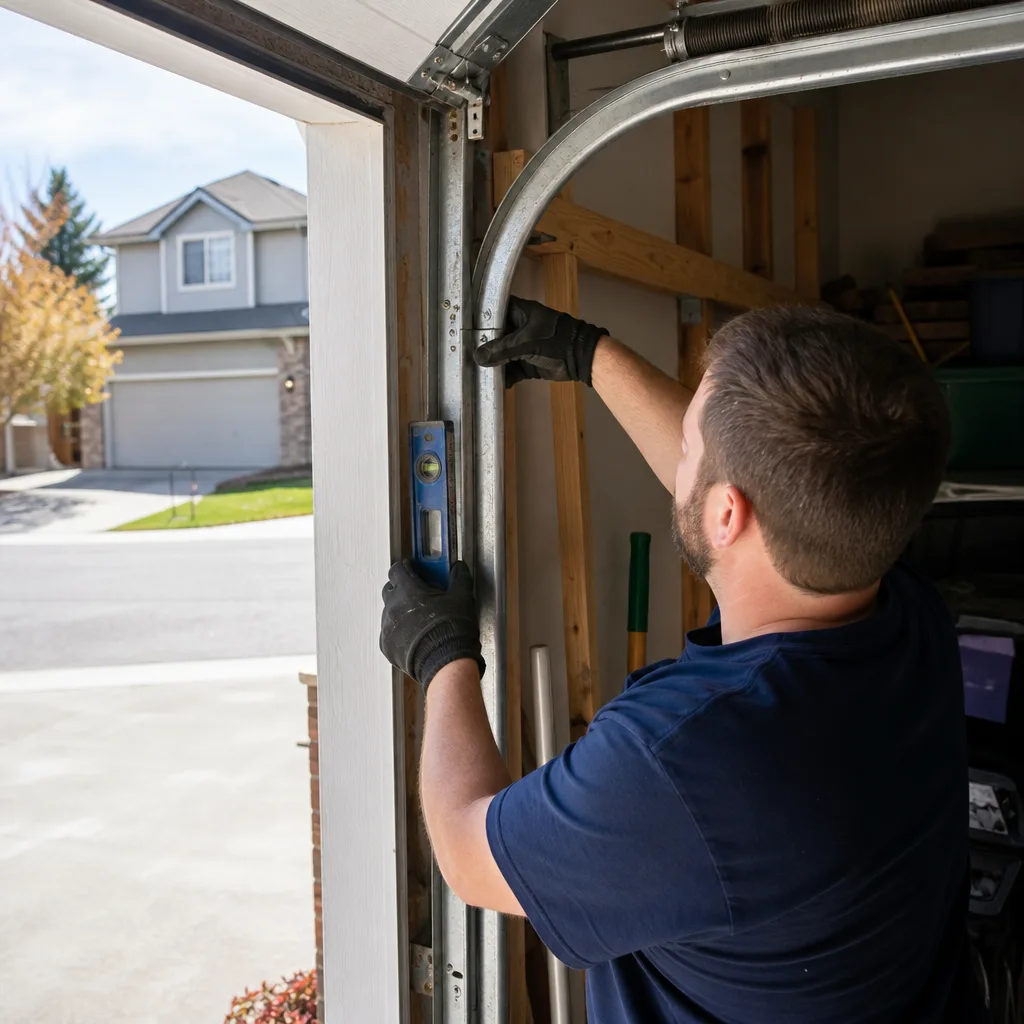
Last updated November 23, 2026
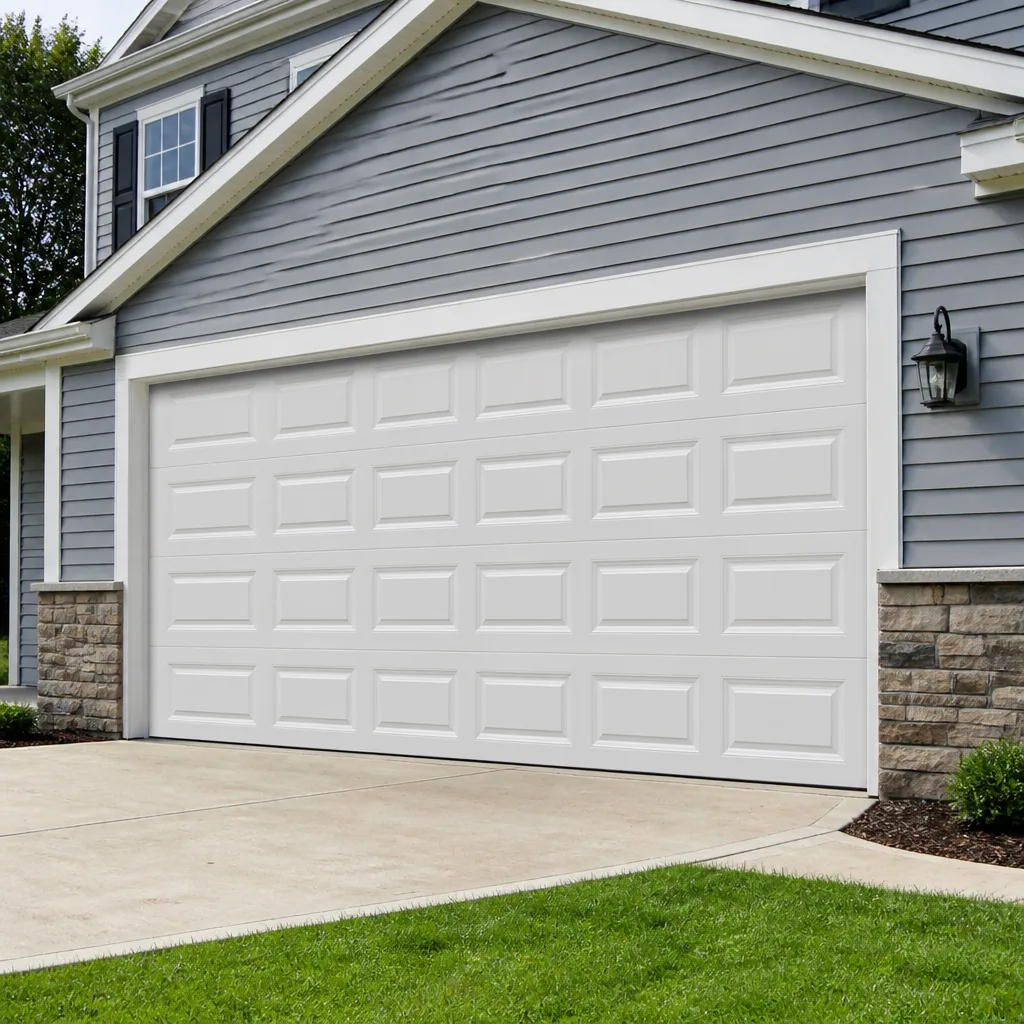 Raised-panel steel
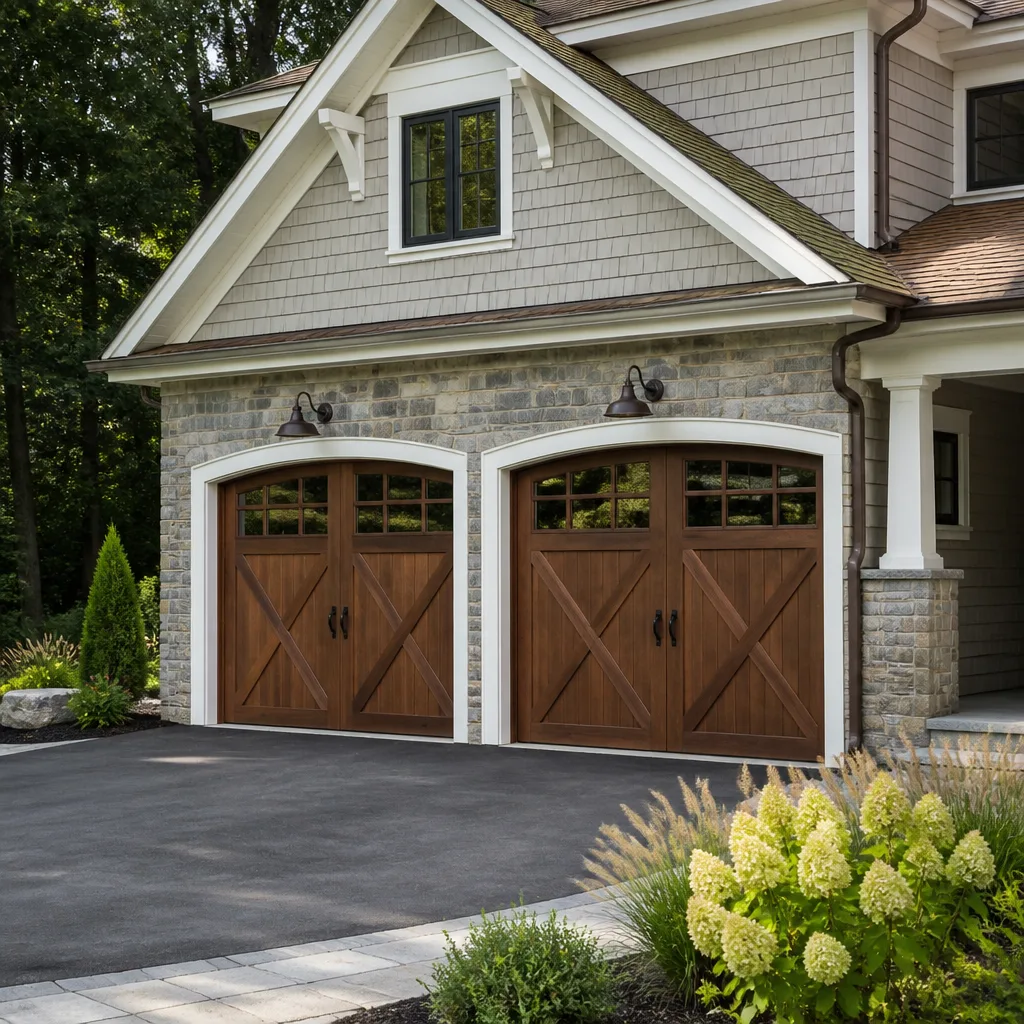 Carriage house
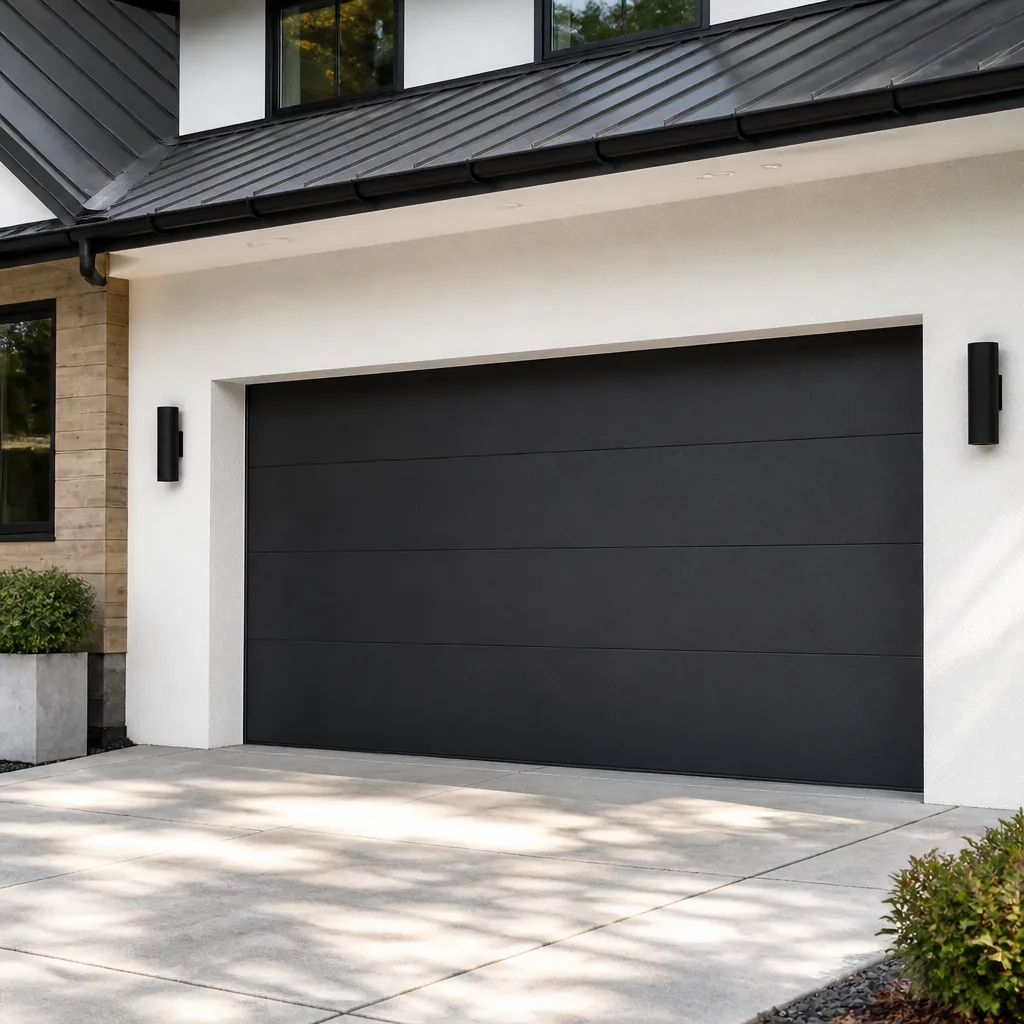 Modern flush
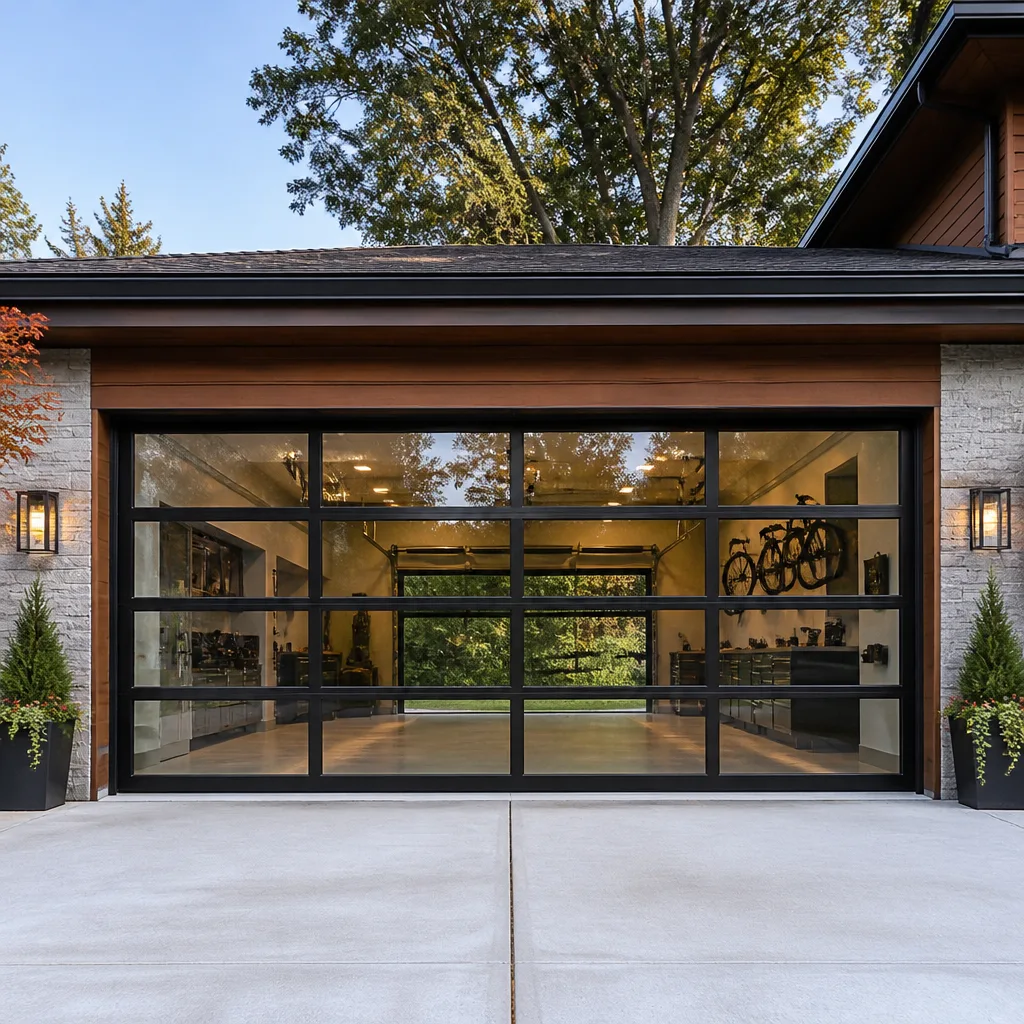 Full-view glass
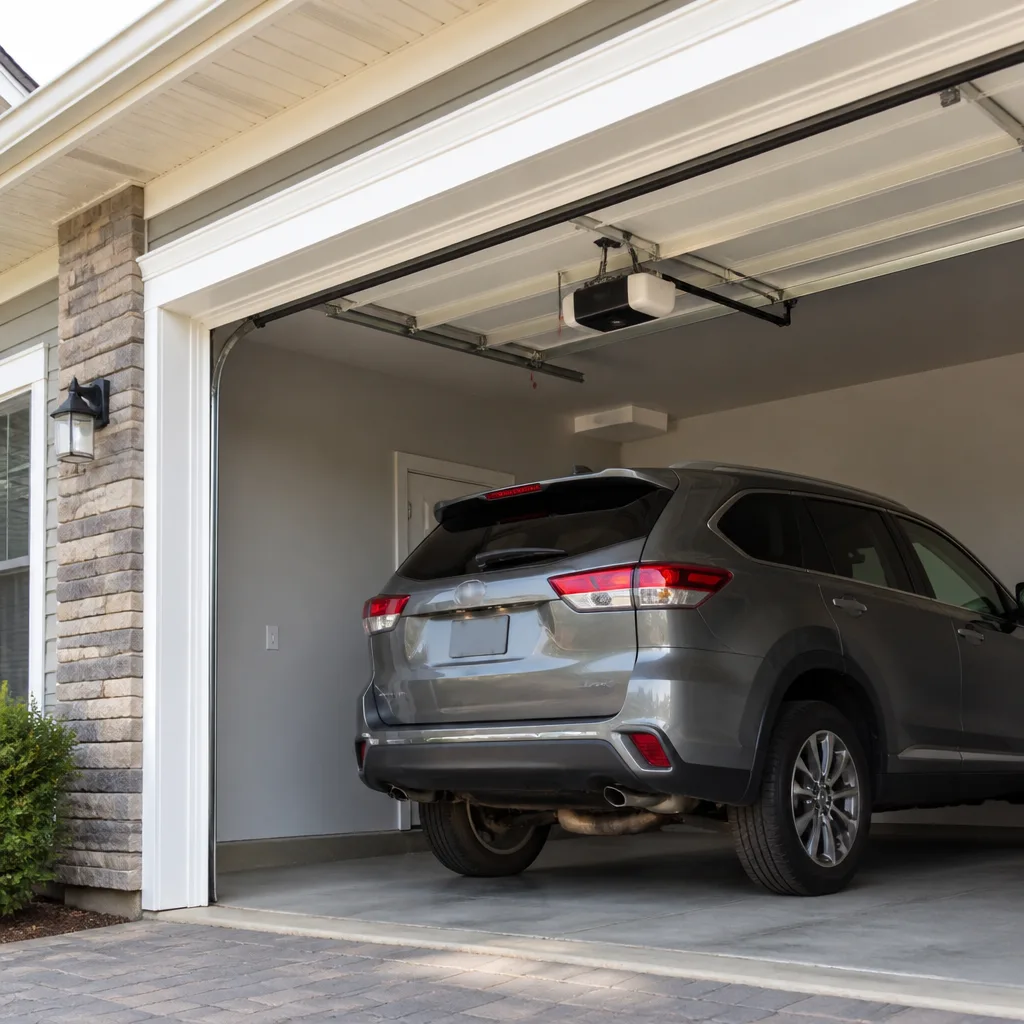 LiftMaster openers
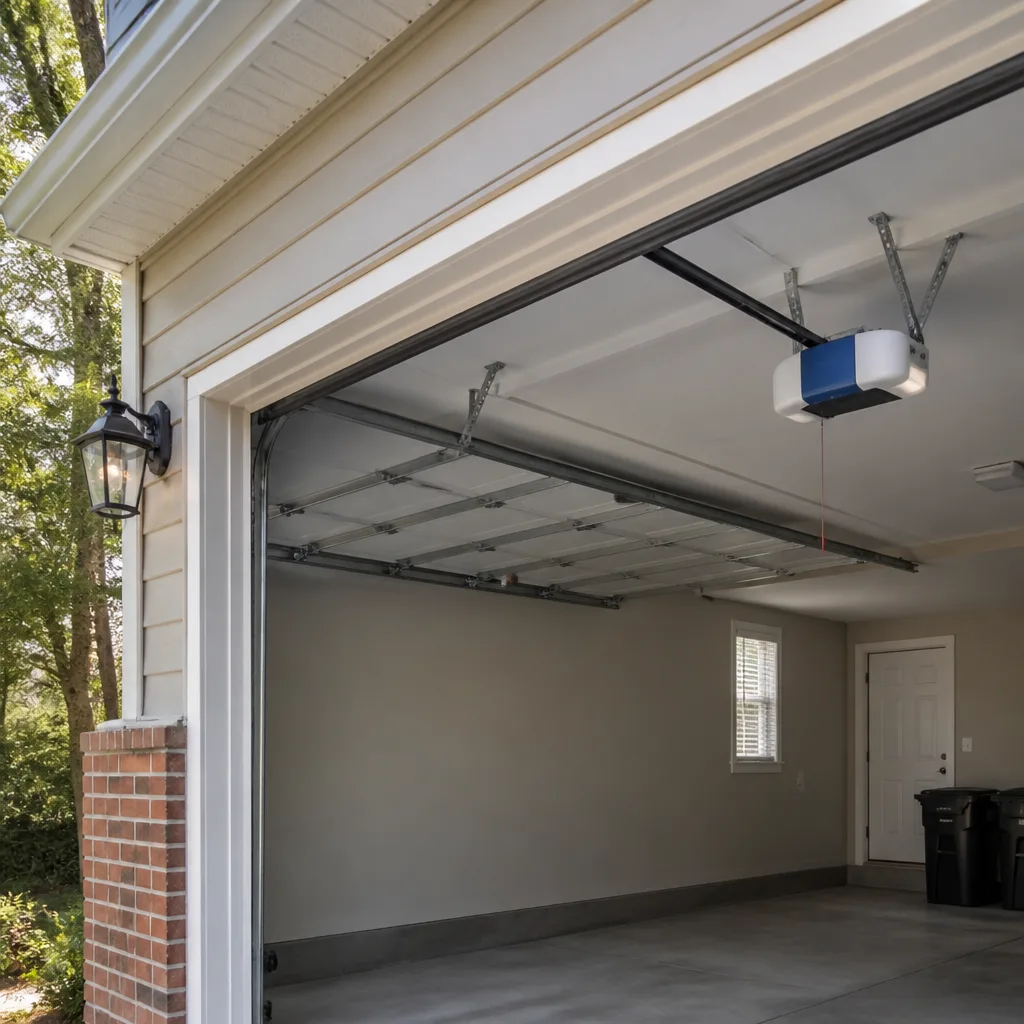 Chamberlain openers
Full 25-point door and opener safety check with every visit - springs, cables, rollers, tracks, and your LiftMaster or Chamberlain opener included
You get a price before we start. It does not change when the pro arrives.
Get your free estimateDIY vs Professional Garage Door: The Arvada Homeowner’s Decision Guide
Most homeowners think the DIY versus professional question is about confidence. It isn’t. It’s about correctly sorting a job into one of four categories, because the line between “safely doable on a Sunday” and “genuinely life-threatening” is specific, non-obvious, and almost never where people assume it is. Torsion spring replacement injures homeowners across the U.S. every year, and not because they’re careless. A fully wound spring stores enough energy to send a winding bar through a wall, and nothing in the average person’s experience prepares them for that. This guide gives you a working framework for Arvada homeowners deciding which jobs they can handle, which deserve caution, and which should never be touched without training.
Quick Answer
Safe DIY garage door work is limited to weatherstripping, lubrication, sensor alignment, and basic opener programming. Dent repair and cosmetic fixes are cautious DIY jobs. Spring replacement, cable work, and any door that has come off its track are professional-only, full stop. If your door won’t move or a spring has visibly snapped, call (855) 337-1853 – Arvada Garage Door Repair Co offers free estimates and can work with your insurer where applicable.
Styles & brands we work with
- Raised-panel steel
- Carriage house
- Modern flush
- Full-view glass
- LiftMaster openers
- Chamberlain openers
Table of Contents
- The Four-Category Framework: Sorting Your Job Correctly
- Extension Springs vs. Torsion Springs: Why the Distinction Matters
- Category 1: Safe DIY Jobs (Weatherstripping, Lubrication, Sensors)
- Category 2: Cautious DIY Jobs (Panel Dents, Opener Programming)
- Category 3: Professional-Only Jobs (Springs, Cables, Track Work)
- Category 4: Emergency Professional Situations
- The Real Cost of a DIY Mistake
- Sourcing Parts in Arvada: What “Universal” Actually Means
- How to Describe Your Problem Accurately Over the Phone
- Common Mistakes to Avoid
- When to Call a Professional
- Frequently Asked Questions
- The Bottom Line
The Four-Category Framework: Sorting Your Job Correctly
Before you pick up a wrench, put your job in one of these four buckets. The category matters more than your skill level, because a capable DIYer can still be killed by a torsion spring.
- Safe DIY. Weatherstripping replacement, hinge and roller lubrication, photo-eye sensor alignment, opener remote pairing. Low force, no stored energy, no danger of pinch points under load.
- Cautious DIY. Cosmetic panel dent repair, opener programming changes, minor hardware tightening. No stored energy, but mistakes cost money or cause function problems.
- Professional-only. Torsion and extension spring replacement, cable replacement, track realignment, drum and bearing plate work. There is stored mechanical energy or heavy tension in the system. These jobs belong to trained technicians.
- Emergency professional. Door off track, snapped spring under load, door stuck partially open with a vehicle inside, opener pulling a binding door. Call immediately, don’t touch it.
We’ve seen this framework stop homeowners from making a bad call repeatedly. When someone in Arvada calls us because they’re “pretty handy” and think they’ll tackle a spring swap, we walk them through the category first. That conversation usually ends with them booking a garage door spring repair appointment, which is the right outcome.
Why the Category Matters More Than Your Skills
A homeowner who’s rebuilt engines and installed whole-house electrical panels still shouldn’t touch a torsion spring. The skill isn’t the issue. The problem is that the failure mode is instantaneous and non-obvious. A spring that’s mostly wound looks exactly like one that isn’t until the moment you try to release it or remove a bar. There’s no audible warning. There’s no slow ramp-up. The energy either stays contained, or it doesn’t.
Arvada doors take heavy use. Front Range snow, ice melt dragged in on tires, and afternoon UV through south-facing garages all stress seals, rollers, and opener gear sets. That wear is normal, and it’s exactly what drives homeowners to want to handle repairs themselves. The four-category framework keeps that DIY impulse pointed at work that’s actually safe.
Extension Springs vs. Torsion Springs: Why the Distinction Matters
Most single-car and older two-car garages in Arvada run extension springs, mounted along the horizontal tracks with a visible stretch and a safety cable threaded through the middle. Torsion springs mount above the door on a steel shaft, wound around it. Both lift the door. Only one of them has a failure mode that sends parts flying across the garage, and it isn’t the one people assume.
- Extension springs stretch and contract along their length. When they snap, the safety cable catches them – if the cable is present and correctly installed. Doors with extension springs and no safety cable are a visible hazard and are worth having re-cabled as a precaution.
- Torsion springs wind around a shaft and store energy under rotation. When one fails, it fails at the coil, often with a sharp crack, and the door drops. The winding bars a technician uses during installation and removal are the only correct tool for the stored energy in a wound spring.
What This Means in Practice
If your door uses extension springs, some homeowners can safely stay hands-off even when a spring is visibly stretched, because the safety cable does the containment work. That doesn’t make extension spring replacement a DIY job – it makes a broken one less dramatic. If your door uses torsion springs, the question isn’t “do I want to try this.” It’s “why would anyone try this.”
We work with every common configuration we encounter in Arvada and can tell you what your specific system is using, over the phone, from a couple of accurate descriptions. That’s what our garage door repair service looks like in the first five minutes: identify the spring type, gauge the failure, and let you decide whether it’s a professional call or a legitimate homeowner job.
Category 1: Safe DIY Jobs (Weatherstripping, Lubrication, Sensors)
These jobs share one thing: nothing in the system stores dangerous energy, and no lift or tension is involved. You can complete them with hand tools and a step ladder.
- Weatherstripping replacement. The bottom seal, perimeter seals, and any threshold strip. Measure the door width, buy a direct-fit seal, cut to length, and slide it into the retainer track. Straightforward, cheap, and immediately improves the seal against cold air and snowmelt.
- Hinge and roller lubrication. White lithium grease or a dry silicone spray on the hinge pivots, roller stems, and the torsion shaft bearings. Never on the tracks themselves – that attracts grit. Takes twenty minutes and quiets most squeaks.
- Photo-eye sensor alignment. The two sensors near the floor should point at each other with their LEDs solid. If one is blinking, adjust the bracket until both lights are solid, and clean any dust or spiderwebs off the lens. This alone fixes a lot of “door reverses for no reason” complaints.
- Opener remote pairing. Follow the manufacturer’s pairing procedure for your model. LiftMaster and Chamberlain both publish the sequence in their manuals, and if you own a Genie or Craftsman, the same process applies to the wall unit or the learn button on the back of the opener head.
Where “Safe DIY” Ends
If any of these jobs reveals something worse – a bent track, a frayed cable, a roller that has pushed through a hinge, or a spring that looks different from the others – stop. That’s your signal to move up a category. The homeowner safety net for garage doors in Arvada isn’t doing more; it’s knowing when to stop.
Category 2: Cautious DIY Jobs (Panel Dents, Opener Programming)
Nothing here will hurt you, but mistakes cost money and time. Work slowly, and don’t force anything.
Panel Dent Repair
A single dented section in a steel Clopay or Wayne Dalton panel is worth attempting at home if the door is otherwise functioning. Work from the inside with a flat pad and a light mallet, tapping outward in small increments. Paint the dent afterward to seal any hairline cracks in the finish. If the dent sits on a section seam or near a hinge stamp, leave it alone – panel replacement is cheaper than a ruined section, and a bent panel can bind the door when it moves.
Opener Programming
Changing openers from one brand to another means re-pairing remotes, resetting travel limits, and confirming the force sensitivity. This is doable if you’re working from the manual for your specific model. It is not doable if you don’t have a manual, because LiftMaster and Chamberlain both use a slightly different learn-button sequence and the wrong press order will just leave you frustrated. One thing to never do: adjust the force limits upward to try to make a binding door open. If the opener is straining, the door is the problem, and raising force settings lets the opener pull a damaged door until the panel folds.
When in doubt, our garage door opener repair team can tell you over the phone whether a programming issue is homeowner-solvable or needs a visit.
Category 3: Professional-Only Jobs (Springs, Cables, Track Work)
Everything in this category involves stored energy or the load-bearing structure of the door. These jobs belong to a trained technician with the proper tools, and they’re worth the fee because the alternative is a hospital visit or a door that drops.
- Torsion spring replacement. One of the most dangerous jobs in the trade, and one of the most skill-dependent. Requires winding bars, correct spring size, and proper winding counts based on door weight. Our technicians do this daily, and we treat it as the highest-precision work we provide.
- Extension spring replacement. Less dramatic than torsion, but still a stored-energy job. Doing it wrong means the spring snaps and takes the safety cable with it.
- Cable replacement. The lift cables are under constant tension from the spring system. A frayed cable has already failed partway, and a snapped cable under load is genuinely dangerous.
- Track realignment. A binding door often means bent track. Bending it back by hand will usually make it worse, and rarely fixes the underlying cause.
- Drum, bearing plate, and shaft work. Structural. Leave it to someone who knows the load path.
The Cost of a Spring Repair Is Not the Cost of the Spring
We’ve had this conversation with many homeowners in Arvada. The spring itself is cheap. The technician’s skill, the correct spring size selected for your door’s weight, and the tools that let them install it without getting hurt are what you pay for. A spring that’s one size wrong will fail early. A spring installed without the safety cable is a hazard. A technician who does this daily finishes the job correctly in one visit, which is why we call the outcome “right part, right fix, one visit.”
The rest of your system – every spring, cable, roller, and hinge – is only as strong as the weakest part. That’s why we scope our garage door repair work to the whole system, not just the failed component.
Category 4: Emergency Professional Situations
Some situations can’t wait. If you’re in one of these, don’t try to fix it. Call for help.
- Door is off track. A door that has jumped its tracks and is hanging at an angle can drop or fold. Stop using the opener. Don’t attempt to lift it. Don’t drive under it.
- A spring snapped under load. The door is now unsupported and may fall if moved. Leave it closed or leave it alone and call.
- Door stuck partially open with your car inside. Opening or closing the door by hand in this state can cause it to close hard. Call and let a technician advise on safe next steps.
- Opener running but door still. Usually a stripped gear or a disconnected trolley. Electrical. Don’t climb on a ladder to probe the opener head unless you’re comfortable with basic electrical work, and never do it with the power on.
- Loud crack followed by a limp door. Almost always torsion spring failure. This is a same-day call.
Arvada Garage Door Repair Co offers emergency garage door service for exactly these situations. We can’t promise a specific response time, but our core business is structured around them – not treated as an afterthought. Call (855) 337-1853 and describe what you’re seeing.
The Real Cost of a DIY Mistake
The repair bill is the visible cost. There are two others that are harder to see, and they’re worth understanding before you pick up a tool.
The Liability Exposure
If a door falls on a vehicle parked in the driveway after an improper repair, homeowner insurance usually covers the vehicle damage. But if the door falls on a person – a family member, a neighbor walking up, a delivery driver – the liability exposure gets much more serious, and insurers sometimes ask whether the failure involved work the homeowner did themselves. Nobody wants that conversation. It’s worth noting as a general consideration, not a scare tactic: garage doors are the heaviest moving object in most homes, and a door that fails after bad work is a door that fails on someone.
The Compounding Repair Bill
An improperly installed spring that fails early usually takes a cable, a drum, or a panel section with it. A track that a homeowner bent back by hand rarely aligns, and the resulting door bind ruins opener gears. What starts as a cheap spring swap becomes a full-system repair. We’ve seen it happen enough times in Arvada that it’s part of why we recommend a professional for any job involving stored energy or load-bearing structure.
When DIY Is Actually the Wrong Kind of Cheaper
You’ll save money on weatherstripping at home. You won’t save money on a spring swap, because the failure rate for first-time spring work is high and the second repair is always more expensive than the first would have been. The math on spring repair specifically favors the professional call.
Sourcing Parts in Arvada: What “Universal” Actually Means
Legitimate replacement hardware for a sanctioned DIY job is usually sourceable at a hardware store or a dedicated garage door supply house in the Denver metro. Buy the part that matches your door’s spec, not the cheapest one that roughly fits. Here’s what to look for by job.
Weatherstripping and Bottom Seals
Match the retainer style. Bottom seals come in U-shape, T-shape, and P-bulb profiles, and only one is compatible with your door’s bottom section. A “universal” seal will work if your retainer is the U-shape, which is the most common configuration in Arvada homes. Measure the door width and buy the length you need, not a roll you’ll cut down.
Hinges and Rollers
Hinges are gauge-specific. A hardware-store hinge rated for a lighter door will wear out the mount. Match the gauge marked on the existing hinge (1, 2, or 3 is typical). Rollers come in nylon and steel, and nylon is quieter for a residential door. Buy the same wheel diameter as the ones you’re replacing.
What “Universal” Actually Means for Springs and Cables
Here’s where the marketing gets dangerous. A “universal” replacement spring doesn’t exist. Springs are specific to door weight, cycle life, and door height, and the wire gauge and inner diameter have to match the original specification. A spring labeled universal is a spring somebody hopes will work. Don’t buy a spring based on how it looks next to the old one; buy the exact specification for your door. When you don’t know the specification, that’s a job for a professional.
Openers and Remotes
Brand-specific remotes are the safe purchase. A LiftMaster remote from the wrong generation won’t pair, and a Chamberlain unit that looks the same may not. Match the model number on the opener head. Opener motors themselves are worth understanding before replacing: a LiftMaster or Chamberlain with a programmed travel limit is a very different install job than a Genie or Craftsman. We work on all of them, and the pattern of failures is different enough between brands that knowing them saves time.
How to Describe Your Problem Accurately Over the Phone
An honest assessment over the phone – “yes this needs a visit” versus “you can probably handle this yourself” – depends entirely on how well you can describe the problem. Here’s the checklist we use.
- Does the door move at all? Whether the door moves, and whether it moves when you lift or push it by hand, is the single most important data point. “It’s dead when I press the remote but I can lift it with one hand” is very different from “I can’t move it at all.”
- Does the opener run when the remote is pressed? If the opener head hums or runs but the door stays put, the issue usually isn’t the opener. If nothing happens at all, it might be power, programming, or a dead opener.
- Where is the door stuck? Partially open, fully closed, or halfway up. A door stuck fully closed is safer than one stuck partway. Say which.
- What kind of spring do you see? A horizontal spring along the side track is an extension spring. A spring wound around a shaft above the door is a torsion spring. This changes the job entirely.
- What’s the door doing? Reverses immediately after closing. Stops halfway. Opens but won’t close. Grinding noise. Snapped cable hanging loose. Squealing. Each symptom points to a specific likely cause.
- Brand and model. If you can read the opener model plate, mention it. If you can tell us the door brand (Clopay, Amarr, Wayne Dalton, Raynor all show up regularly in Arvada), say so. A technician who is factory-familiar with eight major brands knows exactly what’s inside before they arrive.
Getting this right over the phone saves a visit when a job doesn’t need one, and arms the technician when it does. We’d rather hear the honest version and lose the visit than have you spend money on a job you could have handled.
Common Mistakes to Avoid
- Trying to replace a torsion spring without winding bars. A screwdriver or a piece of rebar is not a winding bar, and the stored energy will use whatever’s in the shaft to hurt you. Springs are dangerous – leave it to a technician who does this daily.
- Disconnecting the opener without supporting the door. Pulling the emergency release on a door with a broken spring lets the door drop. If the spring has failed, don’t use the release.
- Adjusting force limits upward to fix a binding door. Raising the opener’s force setting lets it pull a damaged door harder until the panel folds or the opener burns out. A binding door needs the binding fixed, not a stronger pull.
- Buying a “universal” spring or a safety cable that doesn’t match. Springs are specific to door weight and cycle life. An incorrect spring fails early, and the second repair always costs more than the first would have.
- Lubricating the tracks. Grease on the tracks attracts grit and slows the door. Lubricate the hinges, rollers, and bearings instead.
- Ignoring a safety cable on extension springs. If your extension springs are threaded with a safety cable, good. If they aren’t, that’s worth having corrected before a spring snaps and sends pieces across the garage.
- Attempting a door that’s off track. Lifting or pushing a jumped door can drop it on you or fold it. Stop and call.
- Using a light-duty hinge on a heavy door. Hinges are gauge-specific. A hardware-store substitute wears out the mount and stresses the neighboring panels.
When to Call a Professional
Call when the job sits in category three or four. That means a spring that’s visibly broken or won’t hold the door, a cable that’s frayed or snapped, a door that’s come off its track, an opener that’s running but not moving the door, a door that reverses for no clear reason after sensor checks, or a panel section that’s bent at a seam or binding the door. Call when you don’t know the spring specification and can’t confirm it, because a “close enough” spring will fail. And call when you’re not sure which category your job is in – a five-minute phone conversation is cheaper than a repair bill.
Arvada Garage Door Repair Co offers free estimates in Arvada – call (855) 337-1853. We work with every common brand we encounter in the area, we quote before work starts, and we tell you honestly when a job doesn’t need us.
Frequently Asked Questions
No – torsion spring replacement belongs to a trained technician with winding bars and proper tools. The stored energy in a wound spring can cause serious injury or death if released incorrectly, and the winding counts, spring size, and installation method all have to match your specific door. A homeowner should not attempt this job.
Spring repair pricing depends on the spring type, the door weight, and whether you need one spring or a matched pair. The written estimate you receive is the price you pay, and the technician quotes it before any work begins. Call (855) 337-1853 for a free estimate – we can give you a realistic range over the phone once we know your door and spring type.
No. A door that has jumped its tracks is a category four situation, and lifting or pushing it can cause it to drop or fold. Stop using the opener, don’t drive under it, and call for professional help. This is a same-day priority job.
There usually isn’t one – weatherstripping is a legitimately safe DIY job in Arvada, and the seal you buy at a hardware store is the same one a technician installs. The professional case for weatherstripping is convenience, not safety. Measure the retainer profile, buy a matching seal, and install it yourself if you’re comfortable.
The local professionals we connect you with are state-licensed and insured as their state requires, and our technicians have up to 15 years of experience. Arvada Garage Door Repair Co coordinates the work; the licensed professional performs it and stands behind the result.
No – the price is quoted and agreed before any work starts. If a technician finds a problem during the visit that wasn’t part of the quote, you’ll be told the new price and asked to approve it before they continue. Call (855) 337-1853 for a free estimate; there are no surprises once a technician is on site.
Yes for emergency and repair situations – a door that won’t close, a spring that has visibly failed, a door off track. Our core business includes emergency service, and we schedule repairs as quickly as we can. New door installation and full replacement are measured and scheduled instead, since they require a measurement appointment and a written price. Call (855) 337-1853 so we can assess the timing for your specific case.
We work on LiftMaster, Chamberlain, Genie, Craftsman, and other major opener brands found in Arvada homes. When we know the brand and model ahead of the visit, we can diagnose faster and source parts correctly the first time. Mention the brand when you call and we’ll confirm before dispatching.
The Bottom Line
The DIY versus professional question for garage doors in Arvada comes down to which of the four categories your job is in. Weatherstripping, lubrication, sensor alignment, and remote pairing are safe to do at home. Dents and programming are cautious DIY. Springs, cables, track work, and drum or bearing plate work belong to a technician – not because homeowners aren’t capable, but because the energy stored in a wound spring is nothing like anything else in the house. Anything that’s off track, snapped under load, or leaving the door immobile is a same-day call. When in doubt, get a free assessment over the phone. It costs nothing and beats the repair bill that follows a bad guess.
Contact
If your garage door problem belongs in category three or four, let’s take it from here. Arvada Garage Door Repair Co connects Arvada homeowners with vetted, licensed local professionals who work on every major brand – from a single broken spring to a full new installation, one company handles the entire job without handoffs. Our Arvada Garage Door Repair Co team offers free estimates, upfront pricing, and a satisfaction guarantee on the work. Call (855) 337-1853 today, or request a free estimate online, and we’ll help you sort your situation into the right category before you touch a wrench.
Written by the team at Arvada Garage Door Repair Co.
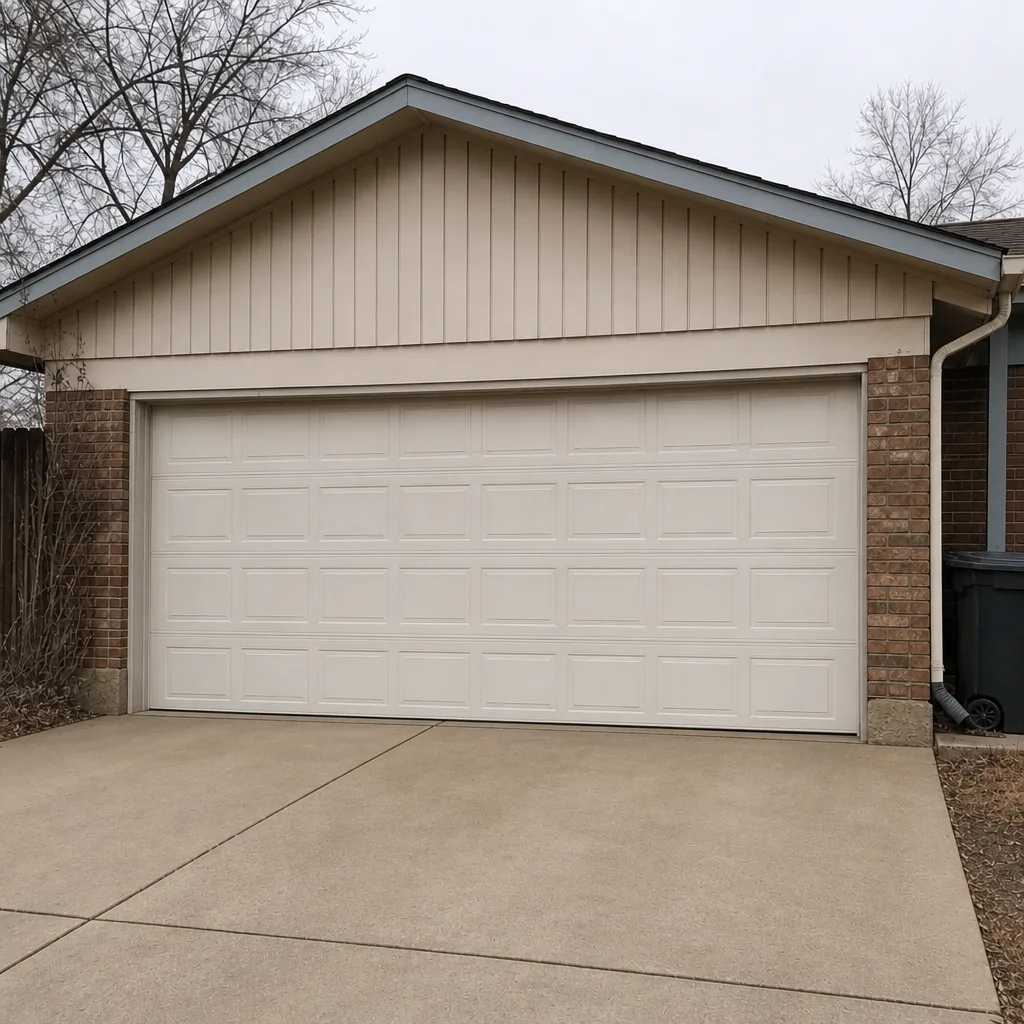
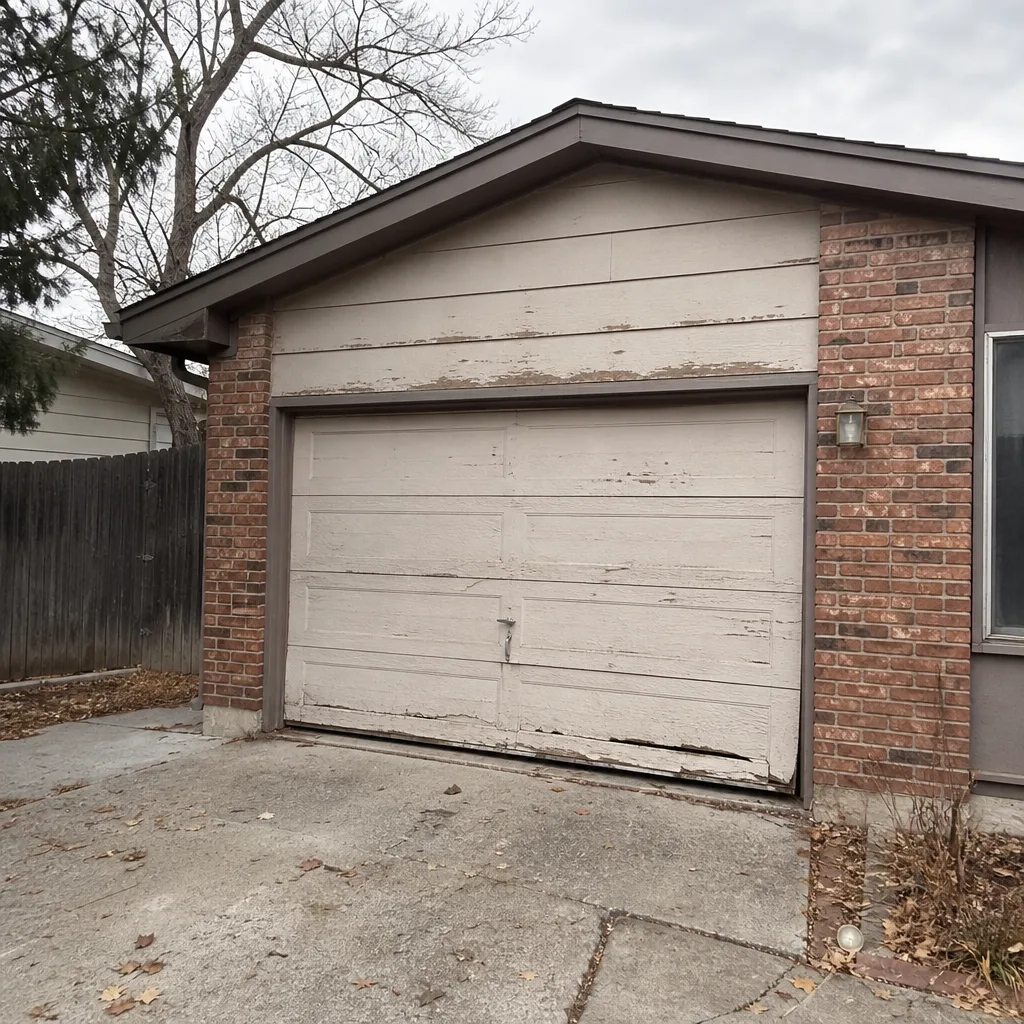
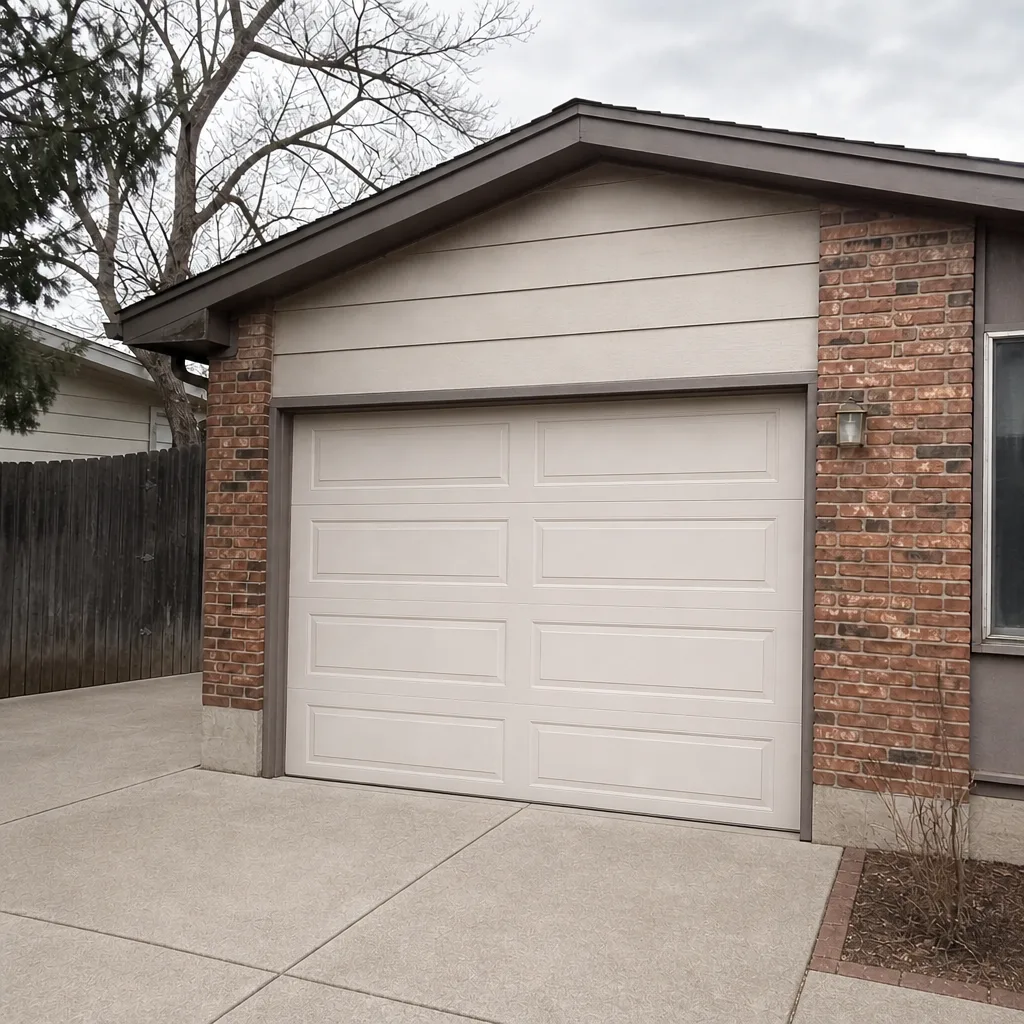
See the difference
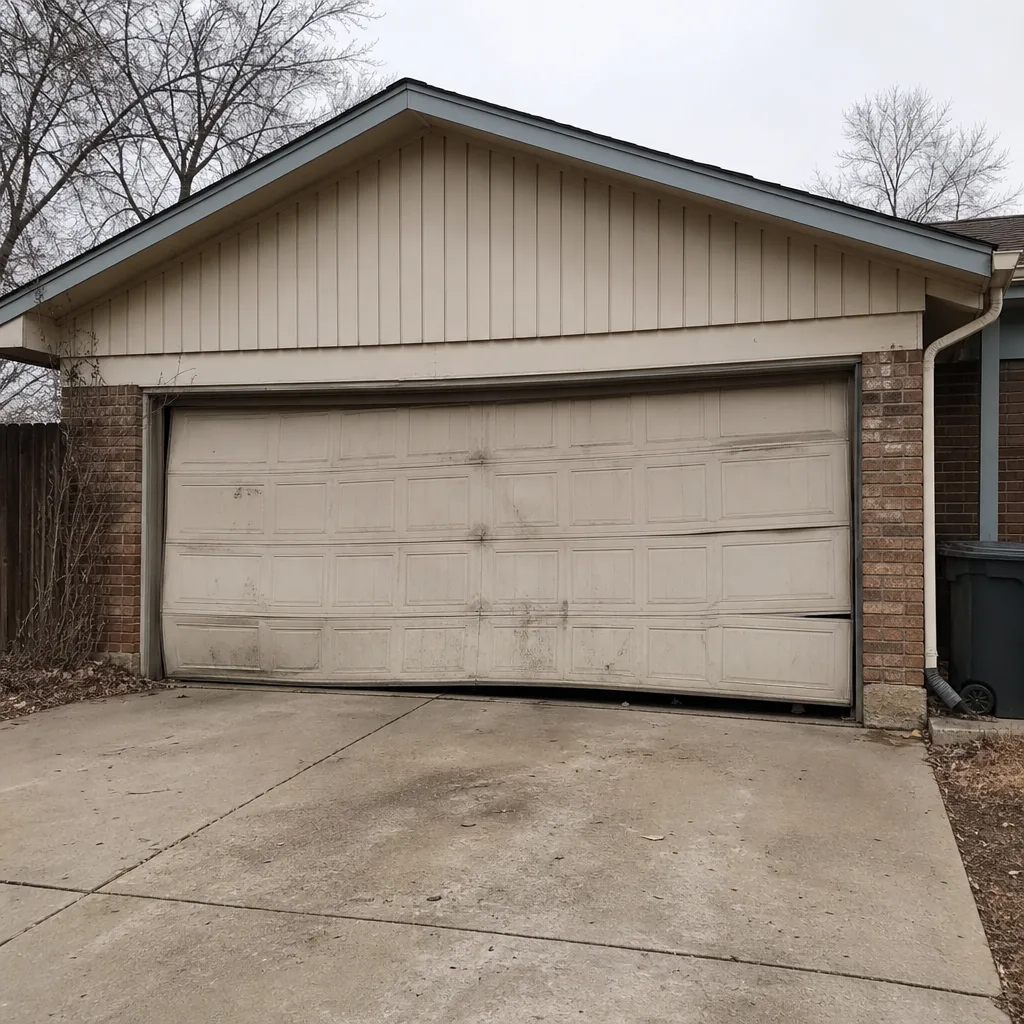 Before
 After
 Before
 After
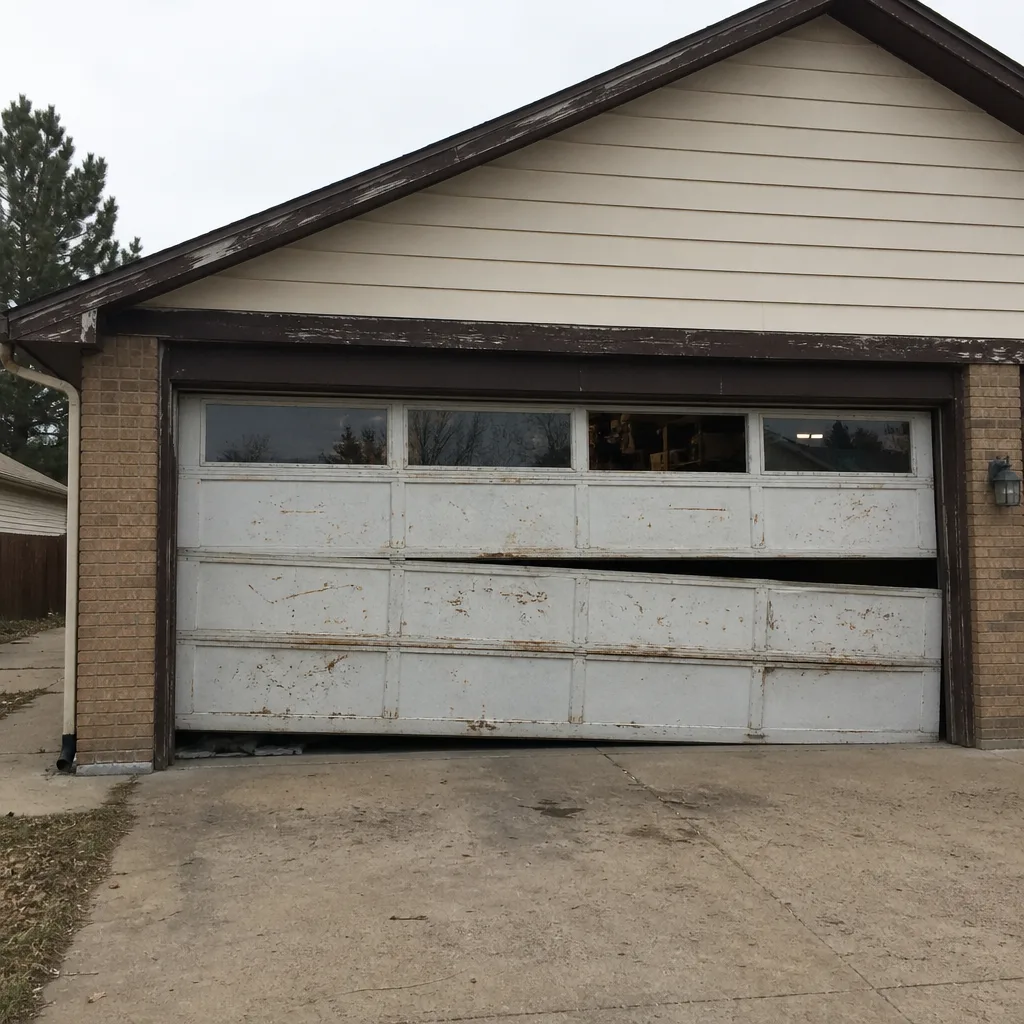 Before
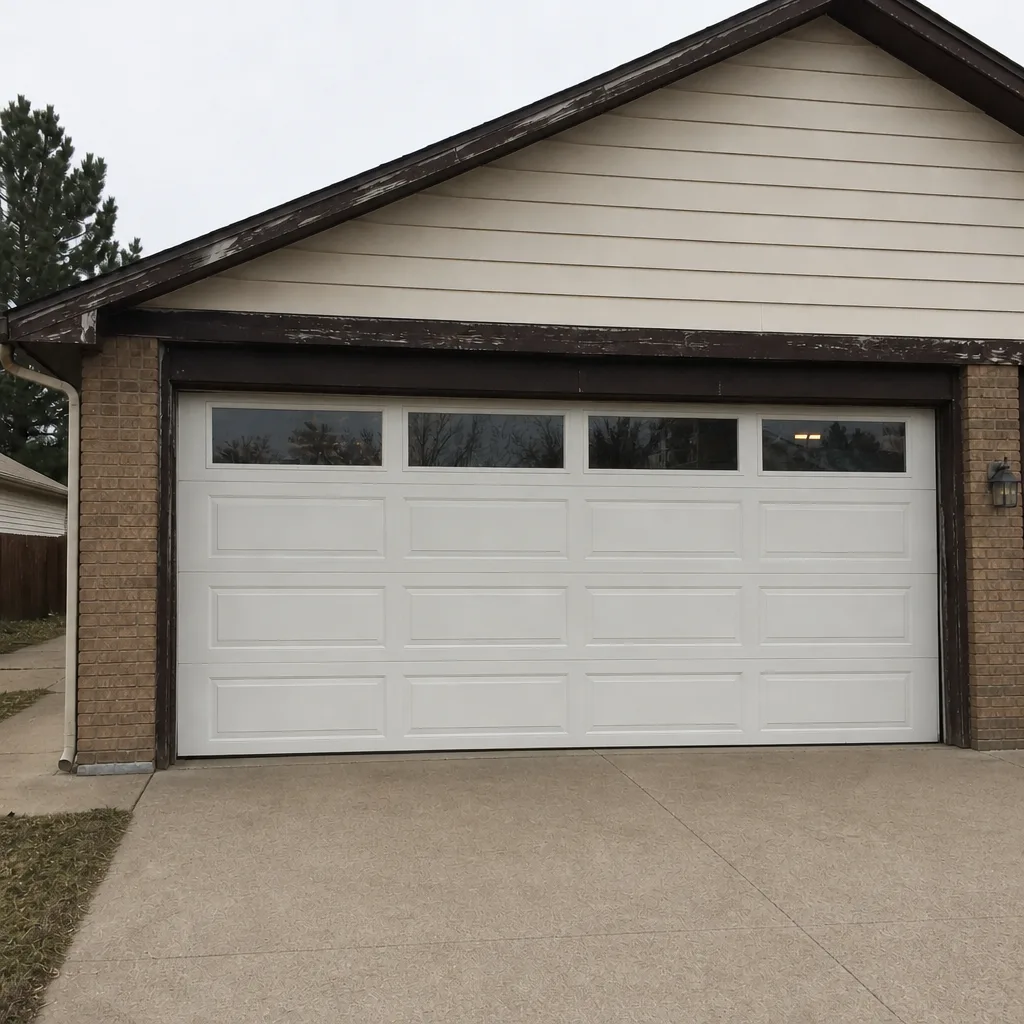 After