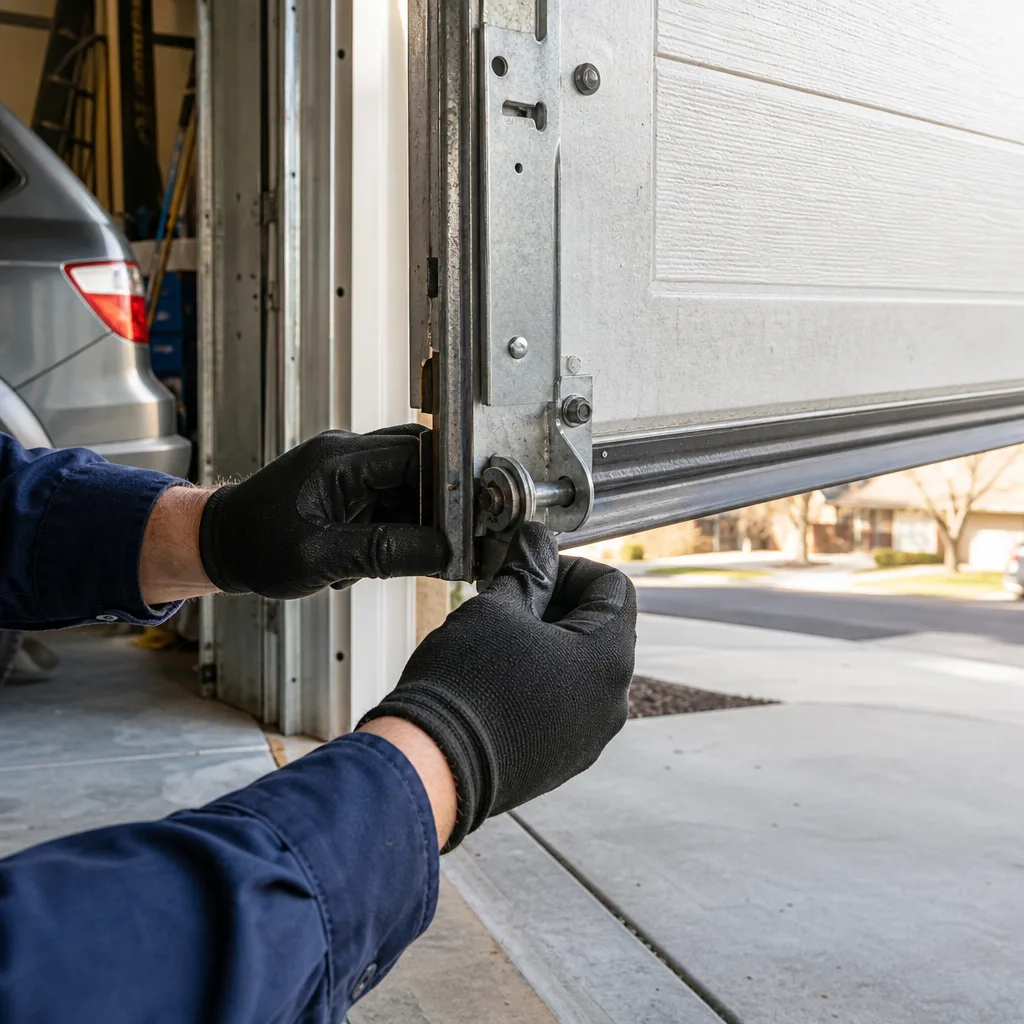
Last updated November 23, 2026
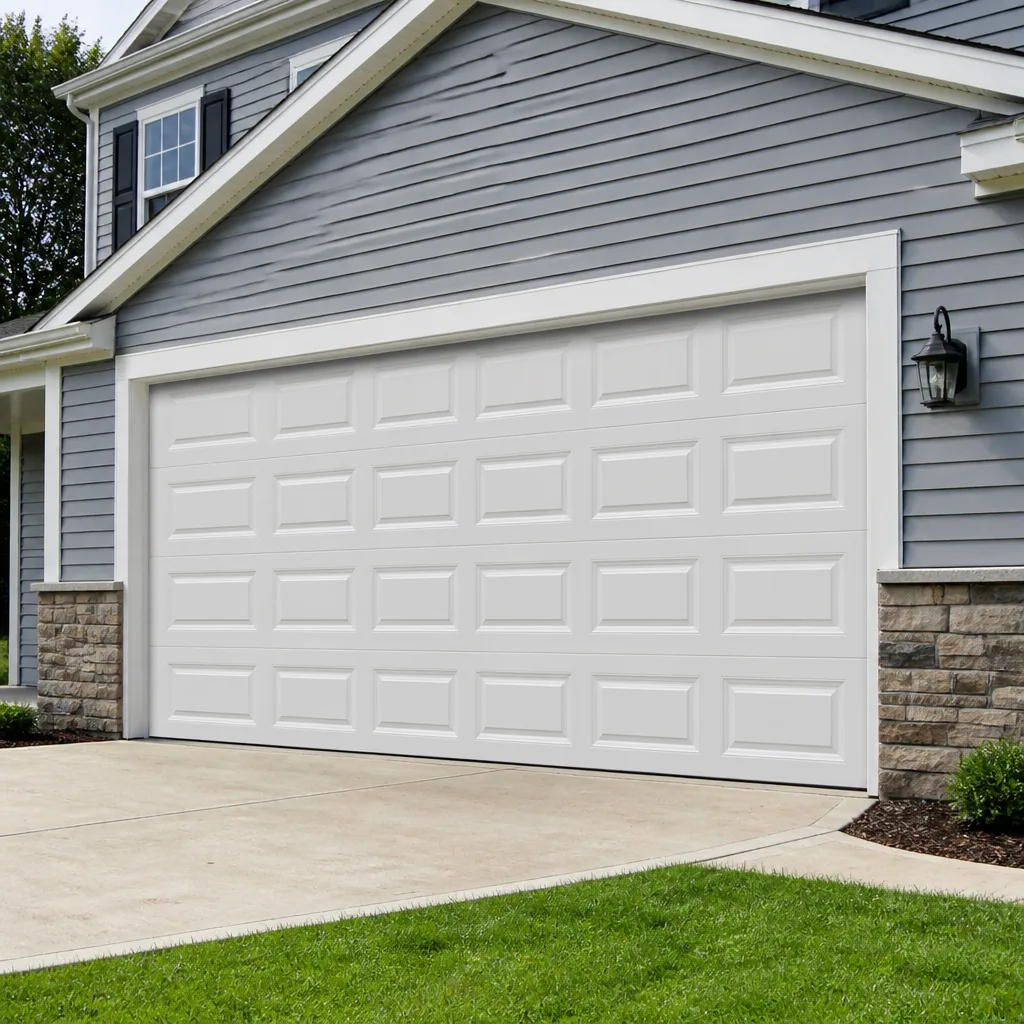 Raised-panel steel
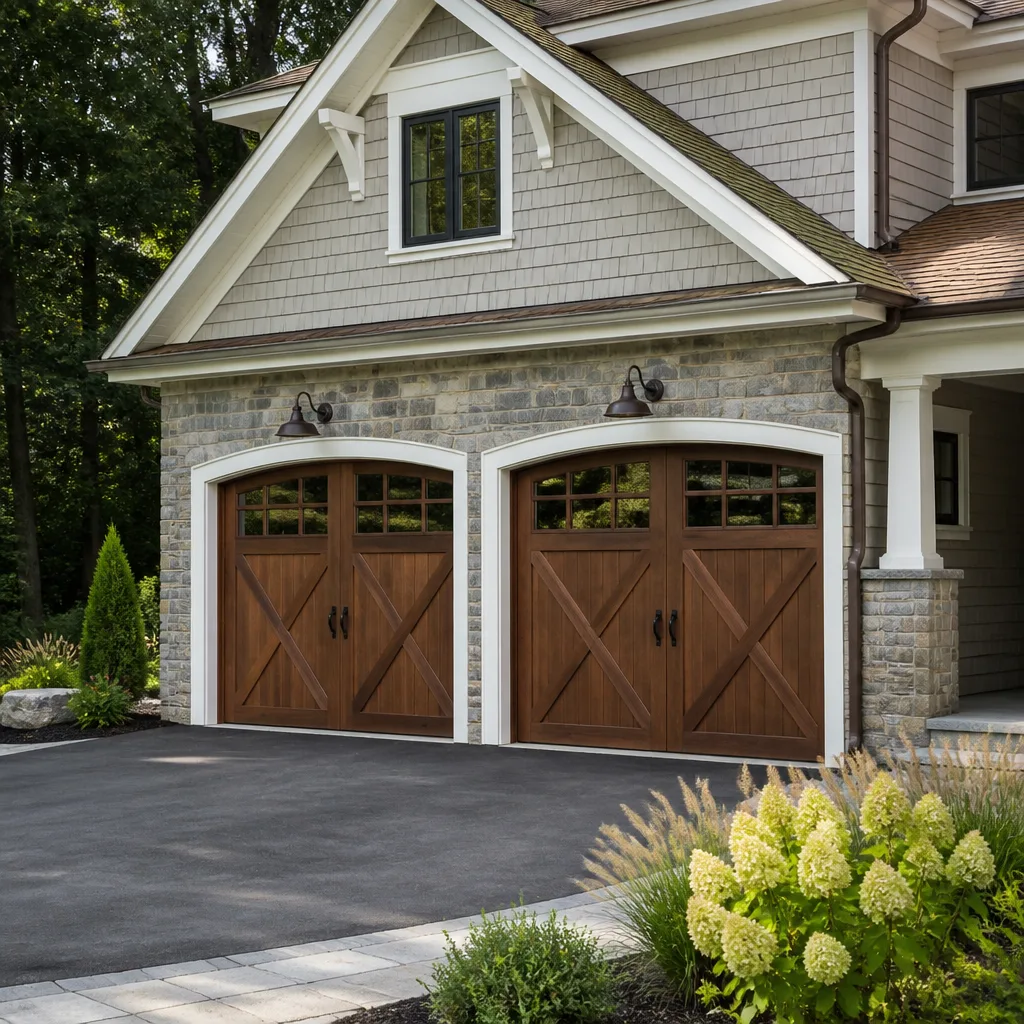 Carriage house
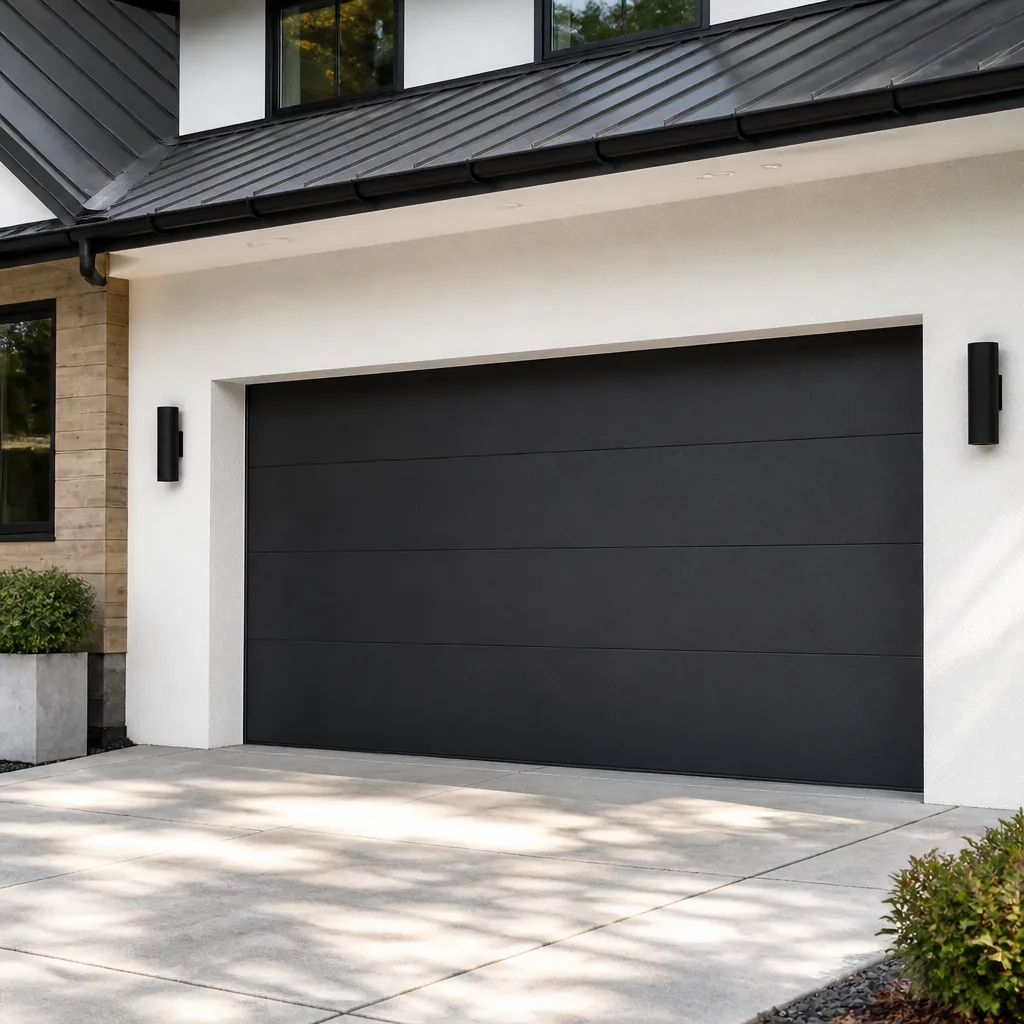 Modern flush
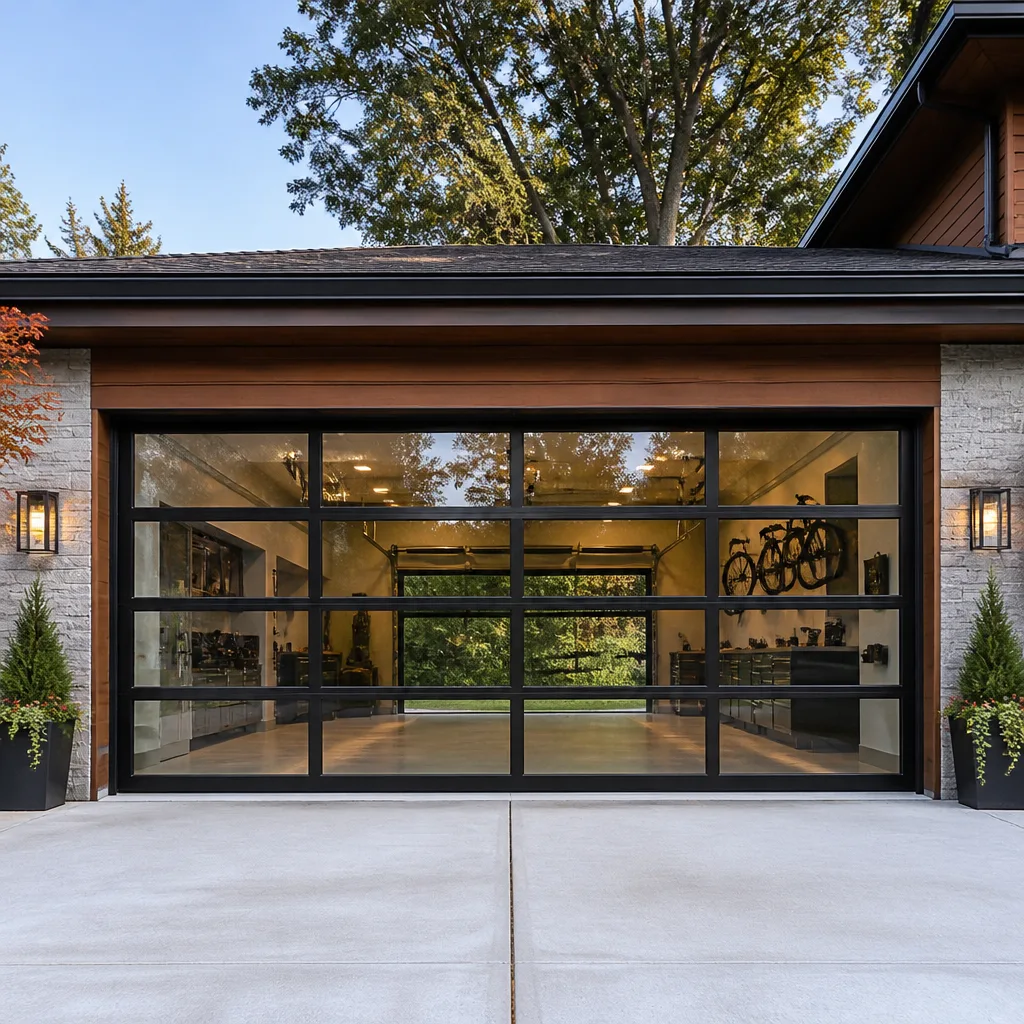 Full-view glass
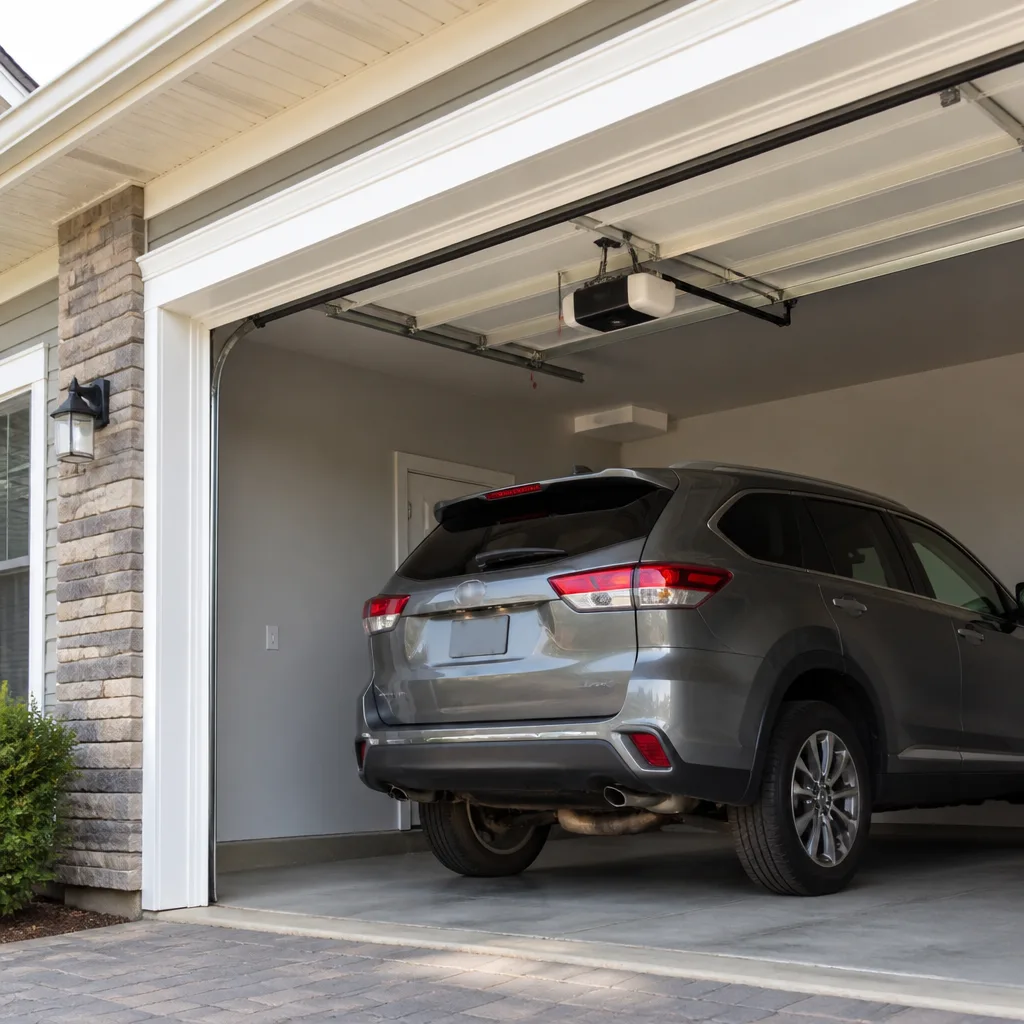 LiftMaster openers
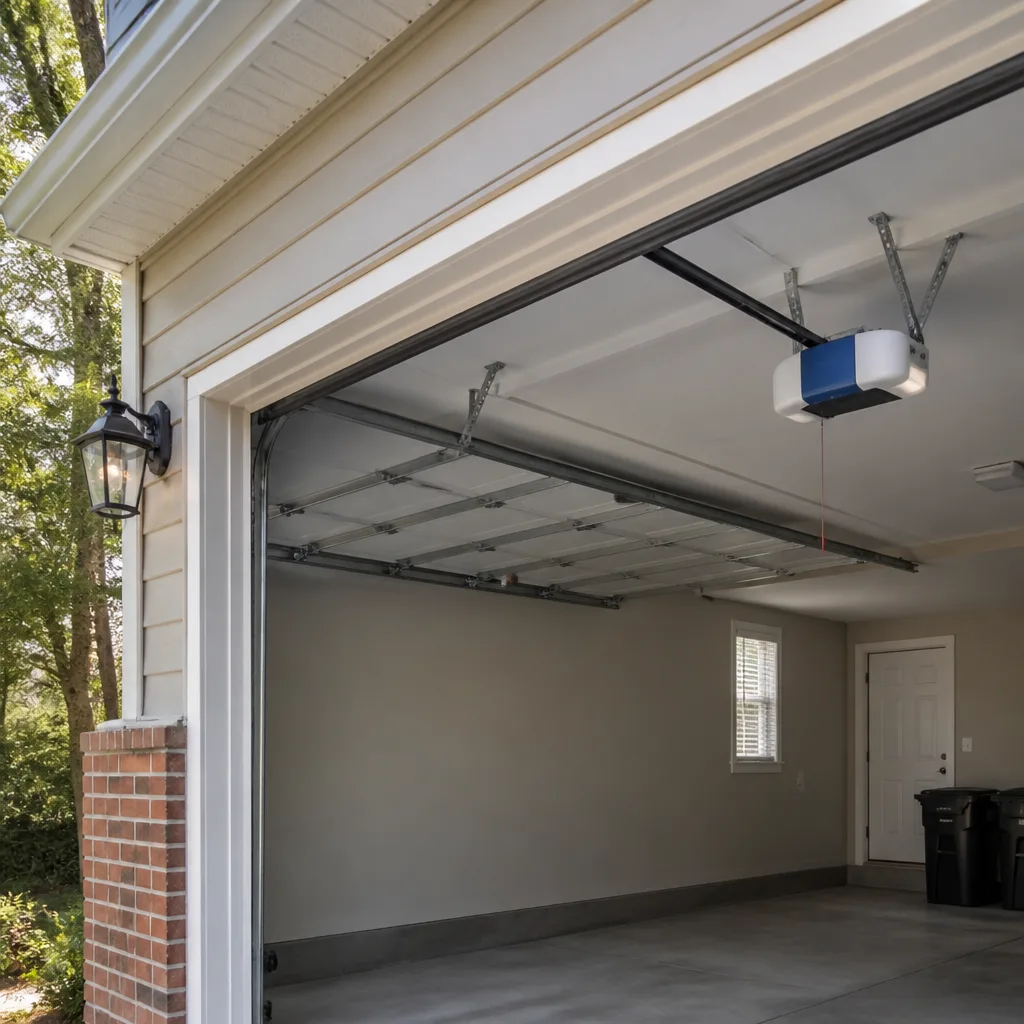 Chamberlain openers
Full 25-point door and opener safety check with every visit - springs, cables, rollers, tracks, and your LiftMaster or Chamberlain opener included
You get a price before we start. It does not change when the pro arrives.
Get your free estimateChoosing the Right Garage Door Brand: A Buyer’s Guide for Arvada
Most shoppers walk into a garage door decision thinking brand first, price second. In our experience, that’s backwards. The brand names on the front of a garage door, and on the opener motor hanging from your ceiling, matter far less than whether a technician in Arvada can actually get the right replacement part within a couple of days and whether the warranty can be honored without a fight. A door that looks identical on paper to another can have a six-week parts lead time or a logic board sitting on a local shelf. This guide walks through what actually separates brands for an Arvada homeowner: parts supply, steel gauge, opener internals, and warranty terms you can read plainly. You’ll finish knowing exactly what to ask before you buy.
Quick Answer
The best garage door brand for an Arvada home is the one with real local parts availability, a warranty that’s enforced by a dealer you can reach, and steel thick enough to handle Colorado hail. That usually means a mainstream brand such as Clopay, Amarr, Chamberlain, or Genie that local technicians already know and stock parts for. Brand recognition alone won’t protect your door through a Front Range hailstorm. Parts and service reach will.
Styles & brands we work with
- Raised-panel steel
- Carriage house
- Modern flush
- Full-view glass
- LiftMaster openers
- Chamberlain openers
Table of Contents
- How to Evaluate a Brand by Parts Availability
- Steel Gauge Reality Check: 24 vs. 25-Gauge in Arvada
- Opener Brand Differences That Actually Matter
- Why Buying Outside Your Technician’s Brands Costs More
- Warranty Terms Decoded
- How Colorado Weather Tests a Door
- Why Installation Skill Beats Brand Hype
- Matching a Brand to Your Situation
How to Evaluate a Brand by Parts Availability
The single most useful question you can ask about any garage door brand is this: if my opener’s logic board fails, how long until you can put a new one in my door? Feature lists and advertising budgets tell you nothing about that answer. Parts reach tells you everything. We’re factory-familiar with eight brands, including LiftMaster, Chamberlain, Genie, Clopay, Amarr, Wayne Dalton, Craftsman, and Raynor. The difference between them shows up in how fast we can source a replacement part, not on the showroom floor.
A logic board, a torsion spring, a roller, a bottom seal: each of these is a wear item. When one fails, your door stops working. The question is whether your chosen brand’s parts are distributed broadly enough that a technician can get them locally, or whether they have to be ordered from a single national warehouse with a multi-week lead time. That gap can turn a two-hour repair into a three-week inconvenience.
The questions to ask a local dealer or technician before you buy
- “Where do you get replacement parts for this brand?” If the answer is vague or involves a single supplier, that’s a red flag. A healthy brand has multiple distribution channels.
- “Do you have common parts on hand, or would you order them?” Ask specifically about springs, rollers, logic boards, and safety sensors. Those are the parts that fail first.
- “Who honors the warranty locally?” If the brand relies on a distant manufacturer for every claim, you’ll wait. A dealer relationship shortens the path.
- “Do you work on this brand regularly?” A technician who sees a brand daily knows its quirks. One who rarely touches it will guess.
- “Is this brand still being manufactured and supported?” Some discontinued brands are parts orphans. Avoid anything whose supply chain is winding down.
You don’t have to know these answers yourself. You just have to ask them. A straight answer tells you the brand is worth the money. A runaround tells you it isn’t, no matter how polished the brochure is. This is exactly the kind of judgment call that separates a reliable garage door repair outcome from a frustrating one.
Steel Gauge Reality Check: 24 vs. 25-Gauge in Arvada
Steel gauge is the number homeowners overlook most and it’s the one that determines how your door survives a Colorado hailstorm. Here’s the counterintuitive part: lower gauge numbers mean thicker steel. A 24-gauge door is heavier and more dent-resistant than a 25-gauge door. Many entry-level garage doors sold on price use 25-gauge steel. A mid-range door typically uses 24-gauge. The difference isn’t dramatic on paper, but it becomes very real when hail hits.
Arvada sits on the Front Range, and Front Range hail is not gentle. A door facing west or north can take a real beating. A 25-gauge door may handle one hailstorm with minor cosmetic dents. A 24-gauge door typically absorbs the same hit with little visible damage. That’s not a guarantee; a severe enough storm can dent anything. But steel thickness is the variable you can actually control when you buy.
What to look for in a steel door spec sheet
- Gauge rating: 24-gauge is the practical baseline in hail country. 25-gauge is lighter and cheaper and best suited to sheltered or covered doors.
- Insulation: Insulated doors are generally stronger than uninsulated ones because the inner and outer panels are bonded to a core. That adds rigidity.
- Panel construction: Two layers of steel bonded to a polyurethane or polystyrene core resist denting better than a single skin. A single-skin door is common in budget options, and it flexes.
- Paint finish: A factory-applied finish holds up better than a field-painted one. If a door is sold unpainted, plan on the extra step.
We can’t tell you a specific door will never dent. No honest technician can. What we can tell you is that a 24-gauge insulated door is the sensible baseline for an Arvada home exposed to wind and hail, and that a 25-gauge uninsulated door is a value choice with a trade-off. Ask for the spec sheet, not just the aesthetic. The gauge number should be printed on it.
Opener Brand Differences That Actually Matter
Garage door opener marketing is noisier than door marketing, and most of it doesn’t matter. What matters in an opener comes down to three things: motor type, battery backup availability, and smart home compatibility. Everything else is packaging.
The brands you’ll encounter most often on Arvada doors are Chamberlain, Genie, LiftMaster, and Craftsman. They look similar on a shelf. They’re not identical in how they perform day to day.
Motor type: DC vs. AC
A DC motor is typically quieter, more energy-efficient, and smoother in its start and stop. It also usually supports more sophisticated features like soft-start and soft-stop. An AC motor is simpler, tends to handle long, hard usage well, and often costs less. For a home with bedrooms over the garage, a DC motor’s quieter operation is worth considering. For a detached garage or a work-focused setup, an AC motor holds up just fine. That’s the real difference, not the brand name stamped on the housing.
Battery backup
This is one of the few features that’s clearly worth asking about. A battery backup lets you open the door at least once during a power outage. In a region where the wind can take down lines, a battery backup is a sensible upgrade. Not every brand’s opener offers it on every model. Verify before you buy. If a power outage strands your car inside, you’ll remember this point.
Smart home compatibility
Not every opener integrates cleanly with popular smart home systems. Some are companion-app only. Others work with third-party hubs. If you care about controlling the door from your phone or scheduling it, confirm the specific model’s compatibility. Don’t take “smart enabled” at face value. Read the compatibility list.
When an opener does fail, the repair path matters as much as the brand. Skilled garage door opener repair depends on knowing the specific internals of the model in front of you.
Why Buying Outside Your Technician’s Brands Costs More
A lower sticker price on a door from a brand your technician doesn’t work on regularly can cost you more over the life of the door. That sounds backward, but it comes down to two things: diagnostic speed and parts paths. A technician who is factory-familiar with a brand diagnoses a failure quickly. One who isn’t spends extra time understanding the system. That time shows up in labor.
Parts work the same way. A brand with a thin local distribution network means parts are ordered in, and you wait. A brand your technician already works on often means parts are recognized immediately and sourced correctly on the first call. Right part, right fix, one visit. That’s the pattern we aim for with every brand we work on.
There’s also an install-quality component. A door is a system: tracks, springs, cables, hinges, rollers, and an opener. Getting them aligned correctly matters as much as the brand of the panels. A technician who knows a brand’s installation quirks installs it cleaner.
What to ask before you buy on price alone
- Has your installation company worked on this exact model before?
- Can the installer source replacement parts for it without delay?
- Does the installer’s warranty extend to the labor on this brand, or only the door manufacturer’s warranty on the panels?
- Is the brand’s technical support reachable if something goes wrong?
If the answers are strong, the cheaper brand might be fine. If they’re weak, the savings may evaporate quickly. Arvada’s market favors brands with solid regional distribution, and a technician with a clear set of preferred brands will generally serve you faster than one who has to look it up.
Warranty Terms Decoded
“Lifetime warranty” sounds reassuring until you read what it covers. The phrase usually refers to the door panels only. Springs, rollers, hinges, and openers have separate, usually shorter, warranty periods. Understanding this up front prevents a surprise when a part fails and you assume it’s covered.
For the three major door brands you’re most likely to encounter in Arvada, the pattern is broadly similar:
- Panels: often a limited “lifetime” warranty for the original owner. It covers defects in material and finish, not damage from impact, weather, or accidental dents.
- Hardware (springs, rollers, hinges): typically a shorter term measured in years, not a lifetime. Springs commonly wear out faster than the panel warranty would suggest.
- Openers: usually warranty on the motor and electronics separately, with a shorter coverage on wearable parts like belts and batteries.
- Labor: almost never covered by a manufacturer warranty. This is where a service call can void coverage if the installer isn’t careful.
What can void coverage if done wrong
Most panel warranties require proper installation by a qualified technician. If the door is installed incorrectly and a hinge or track fails, the warranty claim can be denied because the cause was installation error, not manufacturing defect. The same is true of springs: a warranty that covers the spring can be voided if the spring was replaced with the wrong size or tensioned incorrectly. This is why spring work should be left to a trained technician. Springs are dangerous, and a miscalibrated spring can damage the door and the opener.
When you buy, ask for the warranty document in writing and read the exclusions. Clarify which components are covered, for how long, and what the manufacturer requires for a claim. If the seller can’t produce the written warranty, that’s your answer. This is also why we treat garage door spring repair as a careful, spec-driven job rather than a quick swap.
How Colorado Weather Tests a Door
A garage door in Arvada faces a specific set of pressures that a door in a milder climate never sees. Hail, wind, and temperature swings all work on the door in ways that change which brand and materials make sense.
Hail is the first stressor. A west- or north-facing door takes the brunt of a storm. Steel gauge and panel construction determine whether the door shrugs it off or shows a dozen dents. Insulation adds rigidity and, in a garage that borders the house, keeps the space warmer and quieter. Wind is the second stressor: a door that’s flimsy or poorly sealed will rattle, and wind can push water and debris past a weak bottom seal. The third is the swing between hot summers and cold winters, which is hard on springs and seals.
What this means for brand choice
- Prioritize thicker steel: 24-gauge over 25-gauge for exposed doors.
- Insulate if the garage is attached: an insulated door contributes to comfort and reduces noise.
- Look at the seal quality: a good bottom seal handles wind-driven rain better.
- Don’t skimp on springs: springs are the most heavily worked component and take the seasonal swing hardest.
The brand on the front of the door is less important than whether the door is built for the environment in front of it. A 24-gauge insulated door from a mainstream brand will generally outperform a thinner door from a premium-sounding one. When your door needs attention, we can help with repair, and we’ve seen how the same model holds up differently depending on orientation and exposure.
Why Installation Skill Beats Brand Hype
A garage door is a mechanical system. The panels get the marketing attention, but the outcomes are determined by tracks, springs, cables, and balance. A well-installed door from a mainstream brand will outlast a poorly installed premium door every time. This is the part of the purchase most homeowners underestimate.
Proper installation involves checking that the tracks are plumb and level, the door is balanced, and the springs are tensioned to spec for the door’s weight. A door that’s out of balance wears through springs faster and puts strain on the opener. A door with a misaligned track binds and can come off the rollers. None of this shows up on the brand label. It all shows up on the installation.
Signs the installation is sound
- The door opens and closes smoothly without a shudder or bounce.
- The door stays balanced at the half-open position without drifting.
- The opener doesn’t struggle or sound strained.
- The bottom seal meets the floor cleanly.
- The safety sensors work and the auto-reverse function responds correctly.
- The door is quiet and free of rattles.
If you want a door that lasts, insist on an installer who checks the balance and tunes the springs. Full garage door installation done right is a measurement-driven, careful job, not a quick bolt-on. Ask the installer how they confirm balance and spring tension, and listen for a detailed answer.
Matching a Brand to Your Situation
There’s no universal winner. There’s the right brand for your door, your garage, and your Arvada home. Here’s how to think about it side by side.
If replacement parts speed is your priority
Choose a brand with strong regional distribution. Clopay and Amarr both have broad dealer networks and parts availability that’s easy to source quickly. These brands are common in Arvada and well understood by local technicians.
If opener reliability is your priority
LiftMaster, Chamberlain, and Genie are the most common names in openers locally, and each has a solid parts path. Among chamberlain-style openers, battery backup and smart home compatibility vary by model. Check the specifics before you commit.
If your door faces the weather
Prioritize 24-gauge steel and insulation over any brand impression. The thicker steel and added rigidity matter more than the name. If the garage is attached to the house, insulation adds comfort and cuts noise.
If you’re on a tight budget
A basic uninsulated 25-gauge door can be a reasonable choice if it’s on a covered or sheltered wall, or if the budget is the deciding factor. Be honest about the trade-off: thinner steel takes dents more easily and insulates less. Budget doors are not automatically bad doors, but they are a compromise.
Common Mistakes to Avoid
- Buying on brand recognition alone. A famous label doesn’t guarantee parts availability or warranty enforcement in Arvada. Ask about the supply path instead.
- Ignoring the steel gauge. If the spec sheet doesn’t show the gauge, ask. A 25-gauge door in a hail-prone spot is a bet you may regret.
- Choosing a door your technician doesn’t work on. A cheaper brand your installer has never touched can cost more in diagnostic time and part delays over the years.
- Assuming “lifetime warranty” covers everything. Read the exclusions. Springs, rollers, and labor are usually separate, shorter, or excluded.
- Letting a worn spring get worse. A stretched or broken torsion spring puts strain on the opener. Springs are dangerous enough to leave to a trained technician, and early attention is cheaper than damage from a drop.
- Skipping the opener compatibility check. If you plan to use a smart home system, confirm the opener will actually integrate. “Works with an app” is not the same as “works with your hub.”
- Buying a great door and skipping balance service. Even a premium door drifts out of tune. A balance check keeps the warranty and the door in good shape.
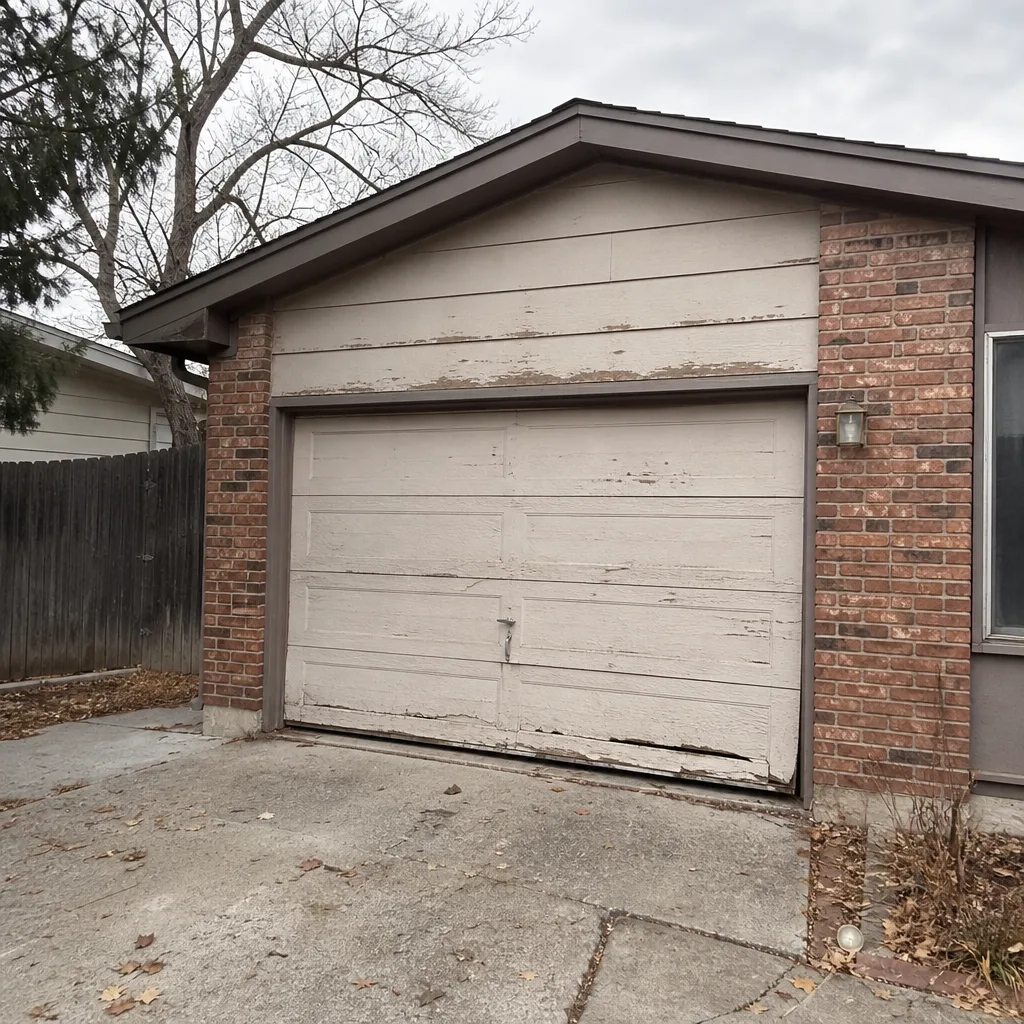
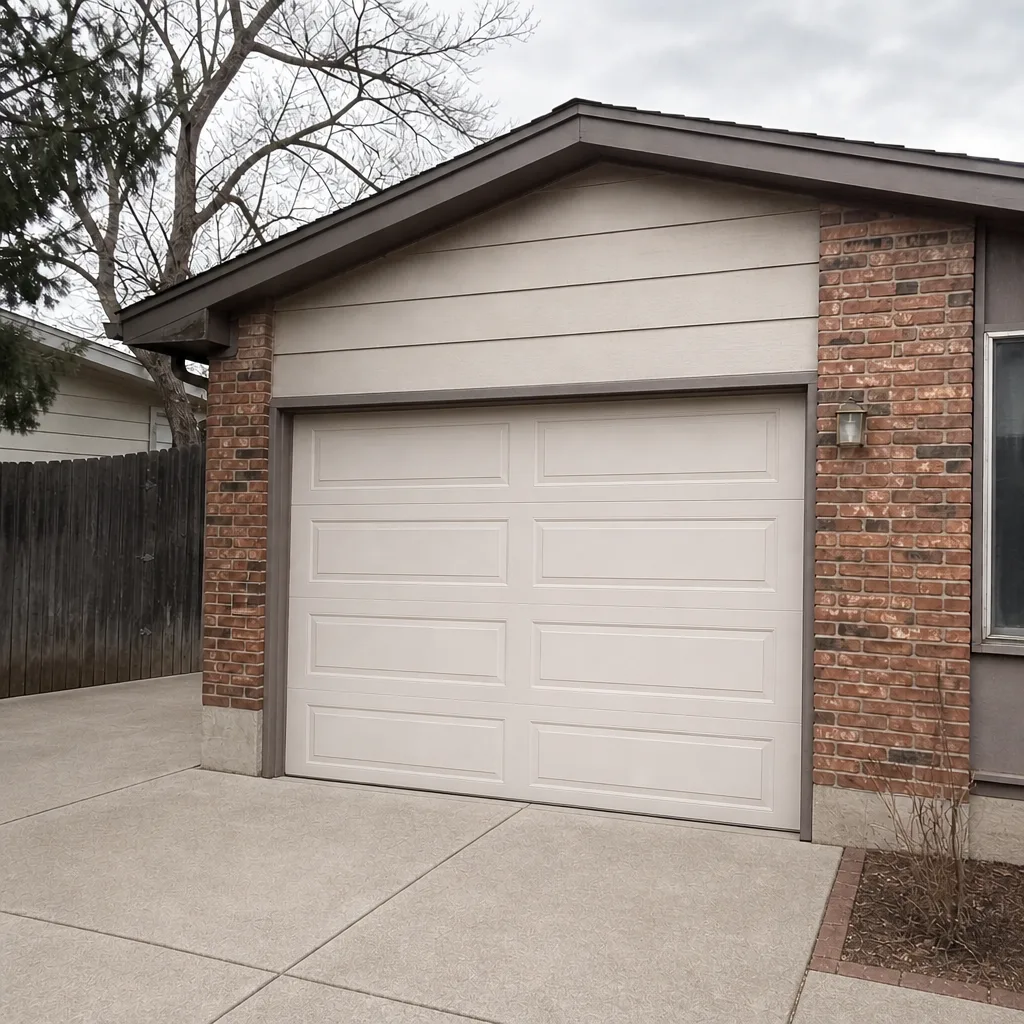
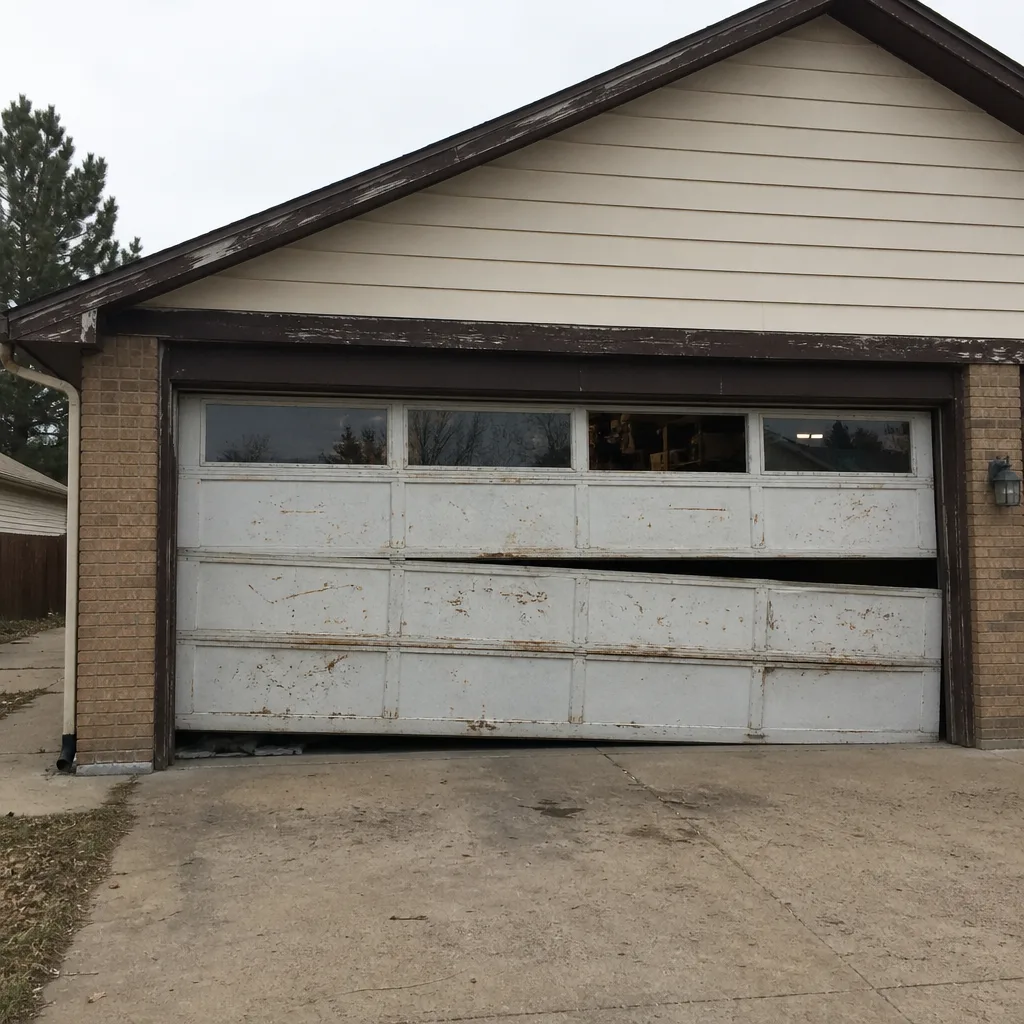
See the difference
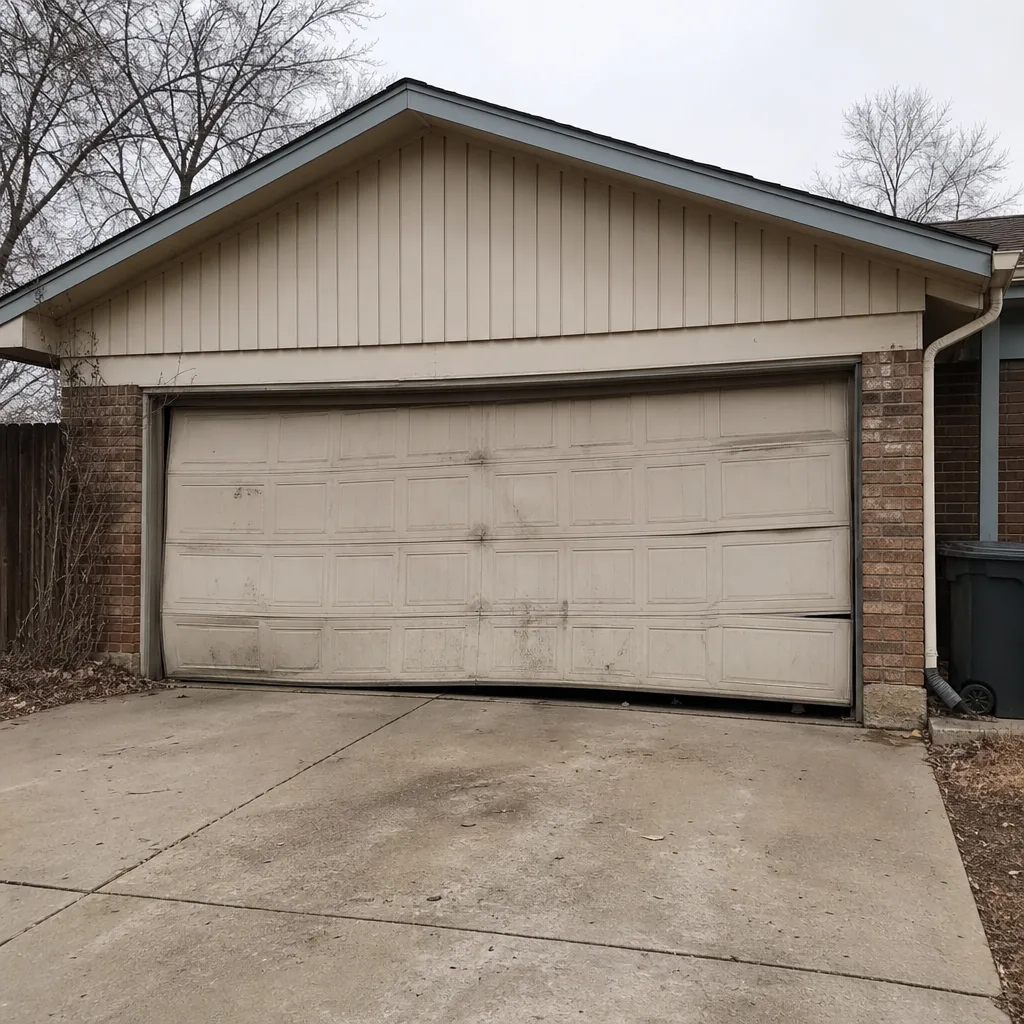 Before
 After
 Before
 After
 Before
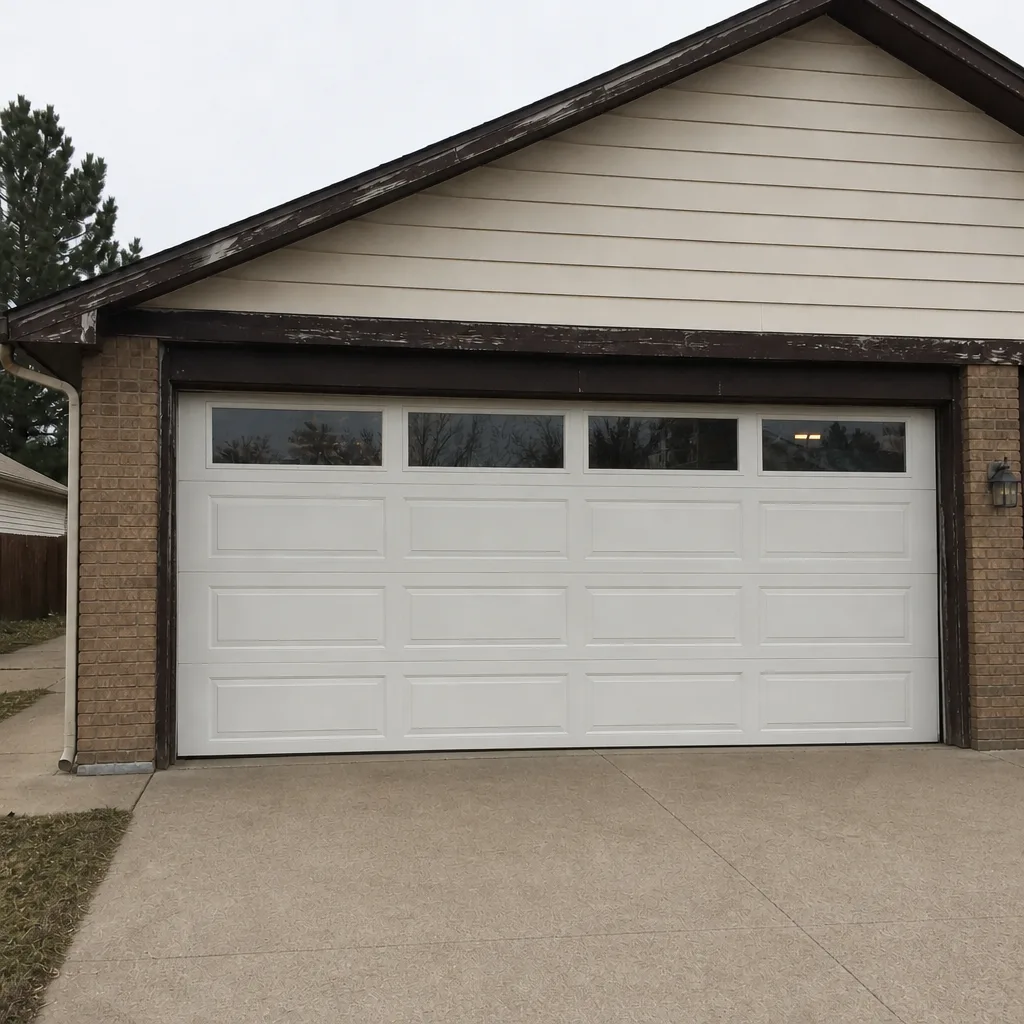 After
When to Call a Professional
Some garage door issues are safe to poke at. Many aren’t. A door that won’t move at all, a snapped spring, a cable that’s come loose, a door that’s off its track, or an opener that hums without moving the door are all reasons to call. Springs and cables are under high tension and can cause serious injury if handled without training. If the door is jammed and the vehicle is locked inside, the urgency is higher. Don’t force the door; a bent panel is a more expensive fix than a service call. Arvada Garage Door Repair Co offers free estimates in Arvada, and our technicians have up to 15 years of experience across the major brands. Call (855) 337-1853.
Frequently Asked Questions
There isn’t one universal best brand, but Clopay and Amarr are common, reliable choices for Arvada homes because of their dealer networks and parts availability. LiftMaster, Chamberlain, and Genie cover the opener side with broad support. The best choice is the one with a dealer you can reach, parts you can source, and steel thick enough for hail. Call (855) 337-1853 for an exact quote. Estimates are free.
Yes. Lower gauge means thicker steel, and thicker steel resists hail dents better. A 24-gauge door is the sensible baseline for an exposed Arvada door. A 25-gauge door is lighter and cheaper and best suited to sheltered or budget-conscious setups. Ask for the gauge number on the spec sheet before you buy.
Ask where they source replacement parts, whether they stock common parts like springs and logic boards, who honors the warranty locally, and how often they work on that brand. A straight answer indicates a healthy brand. A runaround is a warning. These five questions matter more than any brochure.
Usually only for the panels, and often only for the original owner. Springs, rollers, openers, and labor typically have shorter or separate coverage. Read the exclusions in writing. A warranty that’s not clearly documented is a promise without teeth. Call us if you want help understanding what a specific warranty covers.
Not equally well. A technician who works regularly with a brand diagnoses faster and sources parts correctly on the first visit. A generalist may have to look it up, which costs time. We’re familiar with eight major brands, including LiftMaster, Chamberlain, Genie, Clopay, Amarr, Wayne Dalton, Craftsman, and Raynor, which helps us get to the right fix without guesswork.
Call us and describe what’s happening. If the door won’t move, a spring has failed, or a cable has come loose, don’t force it. We offer emergency garage door service for situations that can’t wait. Call (855) 337-1853, and we’ll talk through the next step and give you a free estimate.
The Bottom Line
The brand printed on your garage door matters, but not in the way most marketing suggests. What matters for an Arvada homeowner is parts availability in the local market, a warranty you can enforce without a six-week wait, and steel thick enough to handle hail. Focus on 24-gauge steel for exposed doors, DC motors and battery backup for openers, and a technician who knows the brand before the door goes up. Brand recognition is a starting point, not the finish. The right choice is the one a local technician can diagnose, repair, and stand behind. That’s what actually protects your door through the seasons.
Get a Free Estimate in Arvada
Whether you’re still choosing a door or you’re ready to fix the one you have, we can help. From a single broken spring to a full new door installation, we handle the whole job without handoffs. We work on the brands you already own, and we’ll give you a straight answer about what’s worth buying and what isn’t. Call (855) 337-1853 for a free estimate. Our technicians have up to 15 years of experience, and every job starts with a clear quote you agree to before any work begins.
Written by the team at Arvada Garage Door Repair Co.