Last updated November 23, 2026
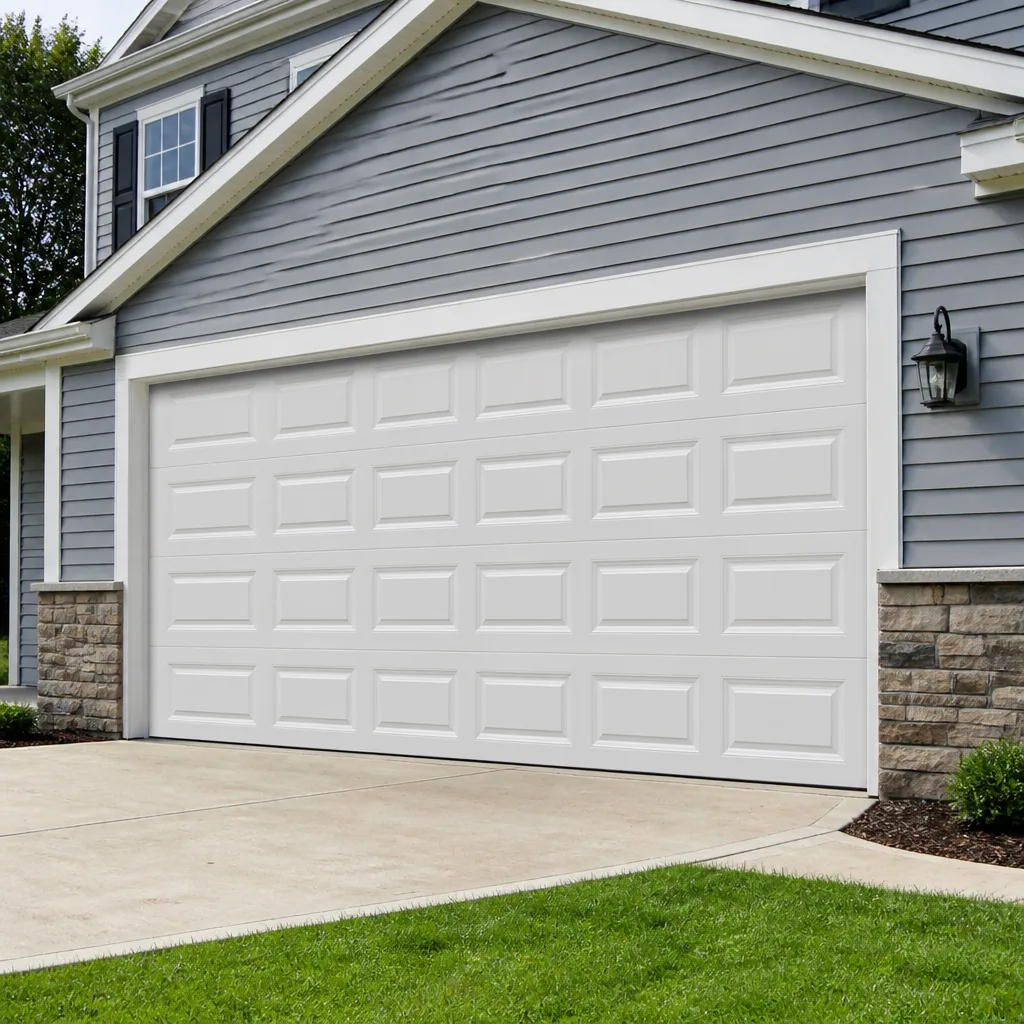 Raised-panel steel
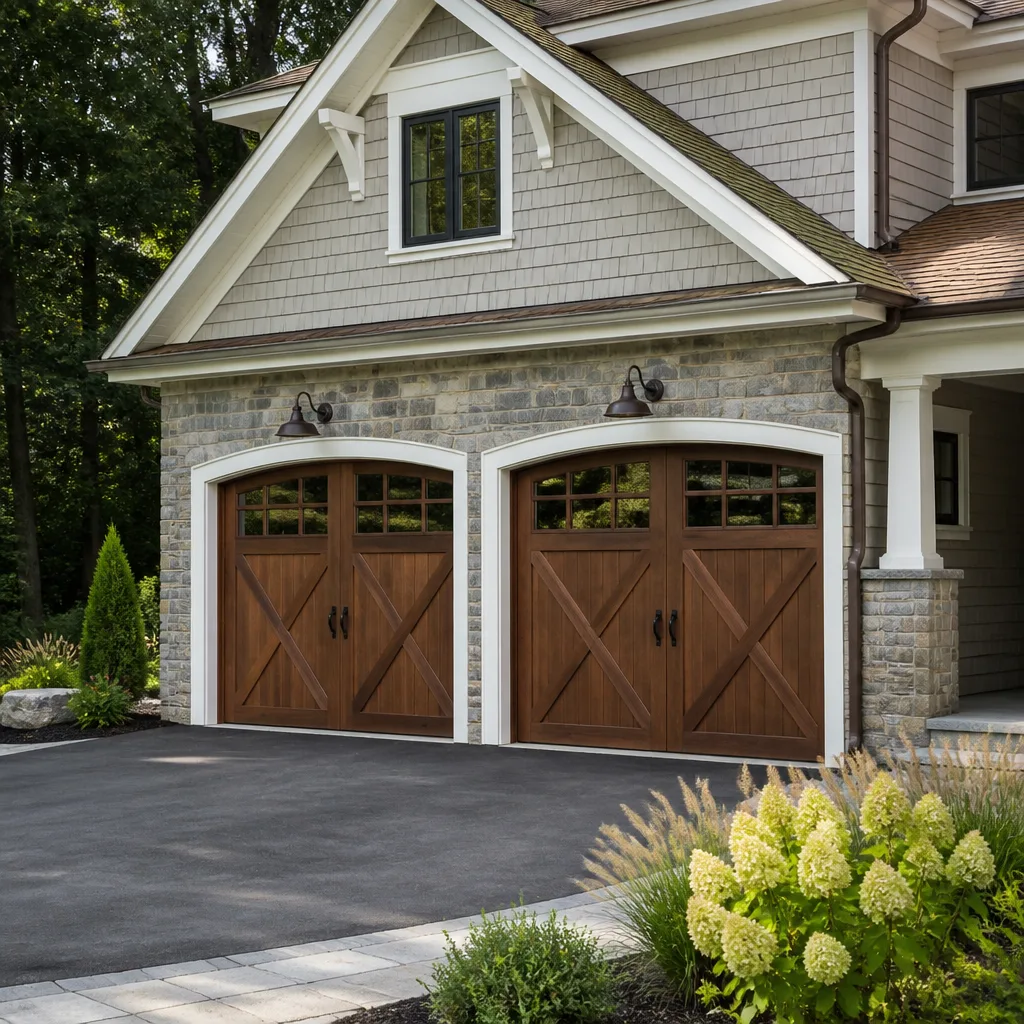 Carriage house
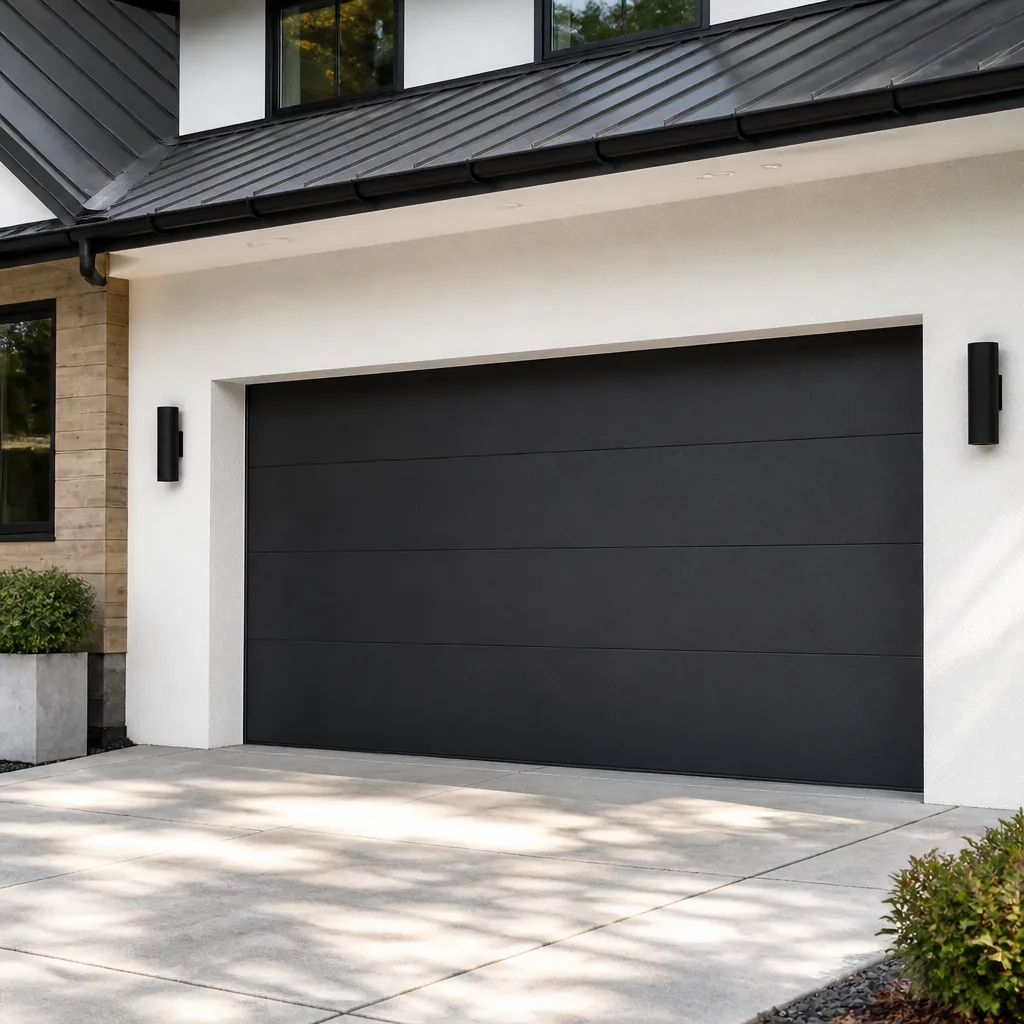 Modern flush
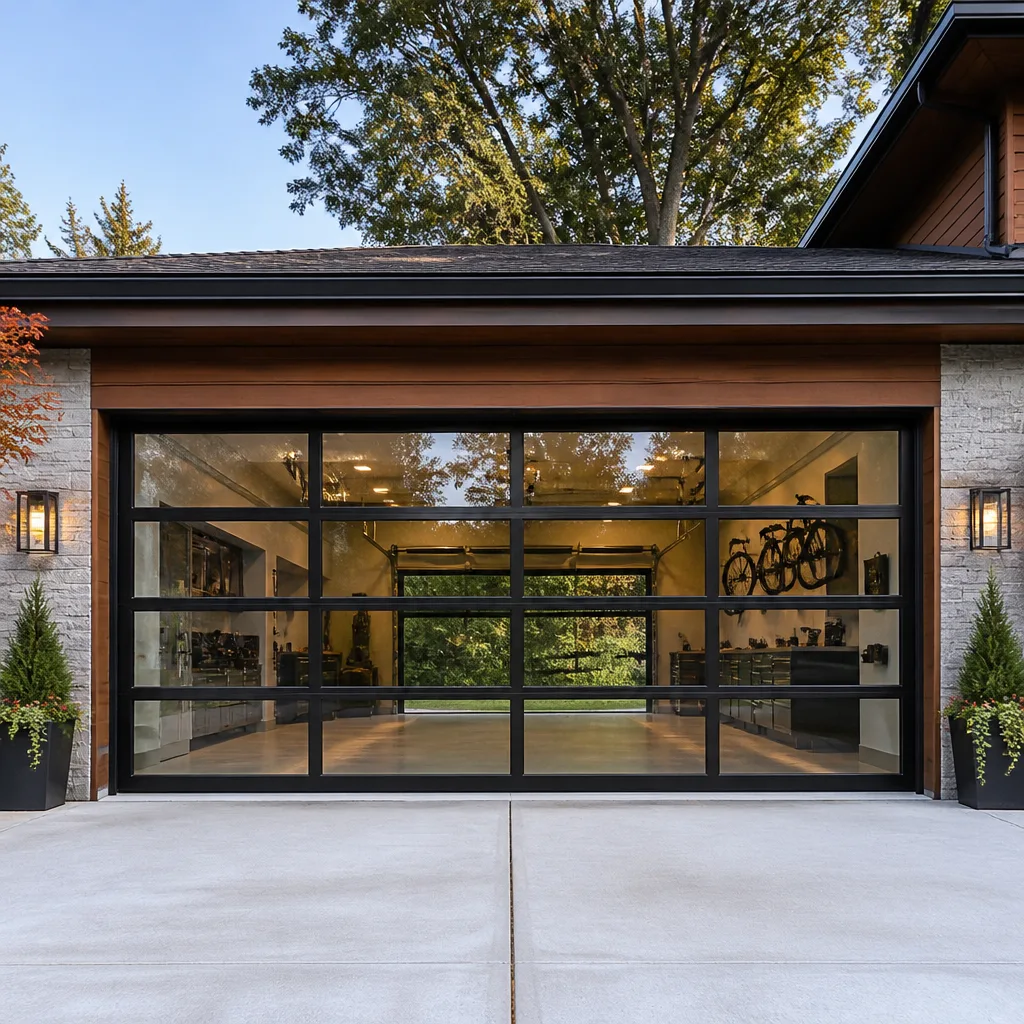 Full-view glass
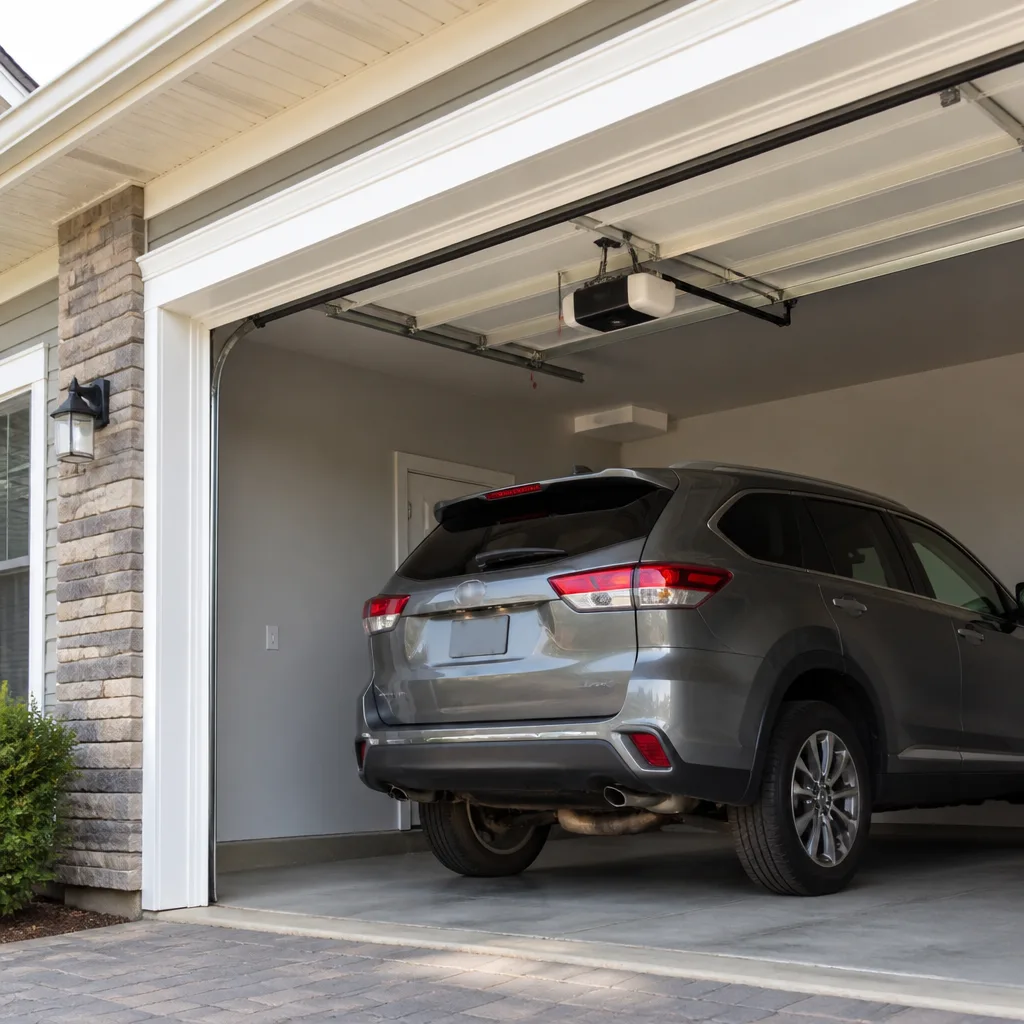 LiftMaster openers
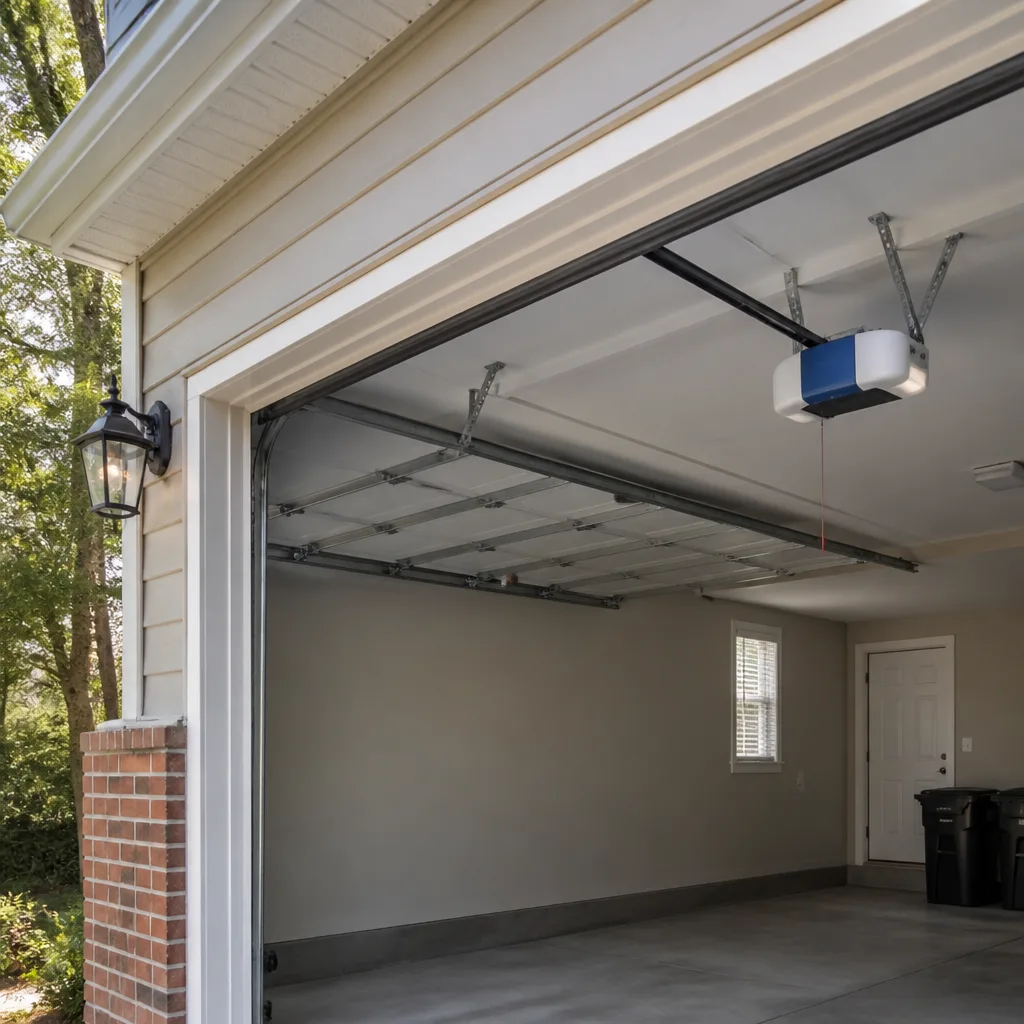 Chamberlain openers
Full 25-point door and opener safety check with every visit - springs, cables, rollers, tracks, and your LiftMaster or Chamberlain opener included
You get a price before we start. It does not change when the pro arrives.
Get your free estimateSeasonal Garage Door Care for Arvada: Year-Round Homeowner’s Guide
Most Arvada homeowners assume winter is the hard season for a garage door. It isn’t. Spring is. The stretch from March into May, when nights still drop near freezing and afternoons climb into the sixties, punishes a door harder than any cold snap does. Metal expands, contracts, and expands again, day after day, and every hinge screw, roller stem, and spring anchor absorbs that cycle. Sustained cold just makes things stiff. Rapid temperature swings loosen hardware. This guide covers what a door actually goes through across an Arvada year, the two narrow windows where most avoidable damage happens, and the small weekly habits that keep a door out of the repair queue.
Quick Answer
Garage door care in Arvada runs on a two-window schedule: a fall checklist before the first hard freeze and a spring check after the last one. In between, monthly visual inspections and lubrication carry most of the load. Owners who handle those two windows well prevent the majority of expensive repairs, because the failure that shows up in January or July almost always started in October or April.
Styles & brands we work with
- Raised-panel steel
- Carriage house
- Modern flush
- Full-view glass
- LiftMaster openers
- Chamberlain openers
Table of Contents
- Why Spring Is Harder on Arvada Doors Than Winter
- The Fall Prep Checklist: Three Jobs Before the First Hard Freeze
- Summer UV and South- and West-Facing Doors
- The Spring Thaw Problem Under Your Bottom Seal
- Wind Season: Checking Door Balance from March through May
- The Four-Note Phone Log That Tells a Technician Everything
- What to Lubricate, What to Leave Alone
- Opener Care Across the Seasons
Why Spring Is Harder on Arvada Doors Than Winter
Here’s the part that surprises people. A door that sat through a two-week cold snap with no issues often starts acting up in April, not January. The reason is thermal cycling. An Arvada spring day can start at 28 degrees and finish at 62. That’s a 34-degree swing in roughly eight hours, and it happens over and over across the season. Steel panels, aluminum tracks, and the torsion or extension springs all expand at slightly different rates. Fasteners that were torqued tight in October work themselves a fraction of a turn loose by May.
What that feels like from the driver’s seat:
- The door gets noticeably louder in the last foot of travel, a rattle rather than a hum.
- One side of the door touches down a beat before the other.
- The opener strains on the first lift of the morning, then sounds normal later.
- A roller squeaks only on cold mornings and quiets down by noon.
None of those are emergencies. All of them are early signals, and the cost of addressing an early signal is a fraction of the cost of addressing a failure. A loose hinge that gets snugged up in April is a screwdriver job. The same hinge left alone through a summer of wind and heat can wallow out its mounting hole, and that becomes a panel repair.
Arvada sits in that transitional zone along the Front Range where spring delivers the widest day-to-night swings of the year. Neighborhoods closer to the foothills, like the streets up around Ralston Valley and the higher ground near Standley Lake, tend to see sharper overnight drops than the flatter grid closer to Olde Town. That difference matters for one specific component: the bottom seal, which we’ll get to.
One more thing worth knowing about spring in Arvada. It’s also wind season, and the two overlap. A door that’s already slightly out of balance from thermal cycling catches more wind load than a balanced one, and that’s when you notice it. We’ll cover the balance test further down.
The Fall Prep Checklist: Three Jobs Before the First Hard Freeze
Everything that needs to happen before winter comes down to three items. Get these done before the first hard freeze and the cold months mostly take care of themselves. Miss them, and you spend December or January on the phone.
1. Inspect the bottom seal, then test it
The bottom seal is the rubber strip along the lowest panel, and it’s the most weather-exposed part on the whole door. Get down at floor level and look along its length with the door closed. You’re checking for three things:
- Cracks or splits, especially at the corners where the seal flexes most.
- Flattening. A seal that no longer stands proud of the panel has lost its ability to close a gap.
- Gaps against the floor. A sheet of paper slid under the closed door should meet resistance. If it slides freely at any point along the width, that spot will leak cold air all winter.
A worn bottom seal lets in meltwater, cold air, and the occasional field mouse. Replacement is one of the least expensive parts of garage door maintenance and one of the highest-value, because it protects everything above it.
2. Lubricate the springs, hinges, and rollers
This is the single highest-return ten minutes in the whole year, and it’s the one most homeowners skip. Lubrication on the springs is especially important going into winter because cold thickens whatever’s on there and increases friction on every cycle. There’s a proper way to do this and a few things to avoid. The section on what to lubricate and what to leave alone covers both.
3. Treat the lock cylinder and any exposed hardware
If your door has a manual lock or a slide bolt, the cylinder benefits from a proper lock lubricant, not general-purpose oil. Road grime and humidity work their way into a cylinder over a year, and a lock that turns stiffly in October can refuse to turn at all in January. While you’re there, check the hinges and the bracket bolts on the door and the jamb. Nothing needs to be gorilla-tight; they just need to be snug.
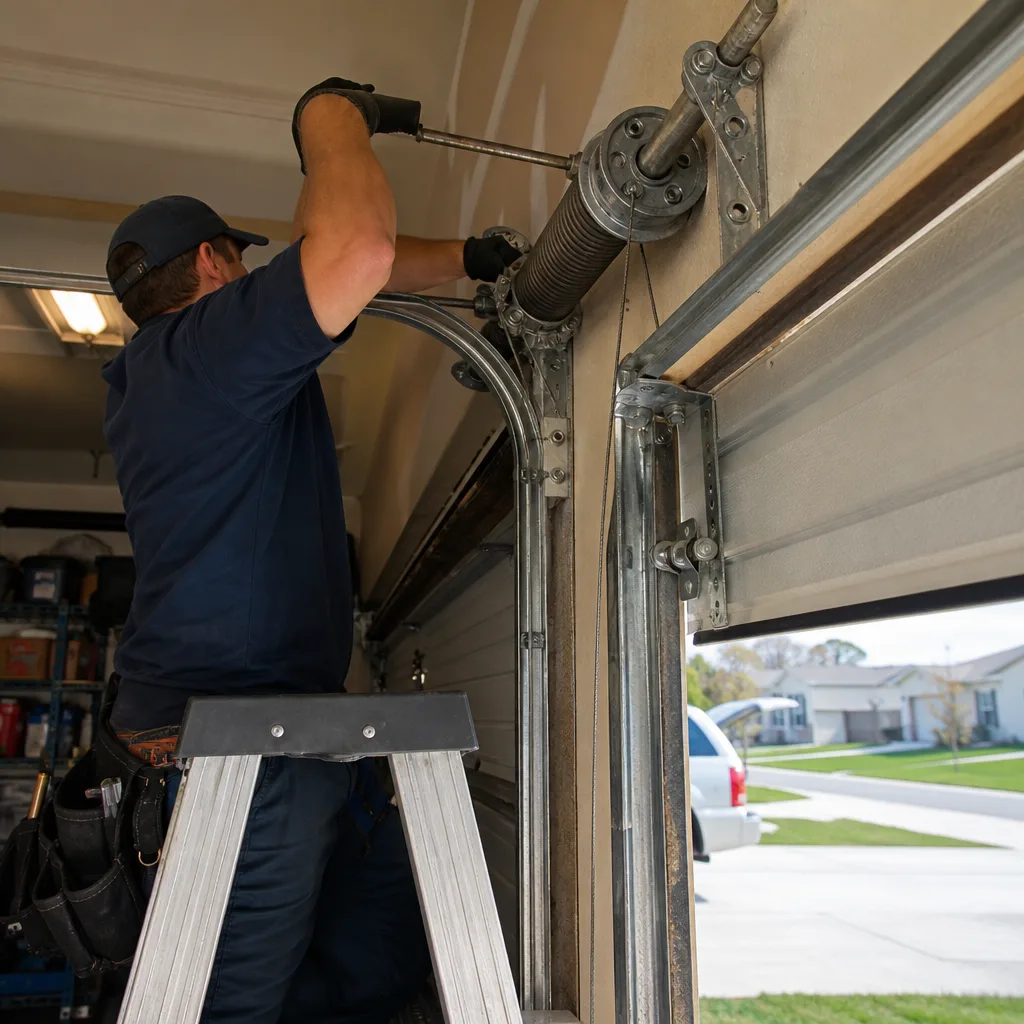
One note on timing. All three of these are comfortable, safe checks. What isn’t safe is anything involving the springs themselves beyond a visual look and a light spray of lubricant. Torsion springs are under enough tension to cause serious injury, and extension springs carry their own risks. If a spring looks stretched, has visible gaps, or the door feels unusually heavy, that’s a call, not a project. Our garage door spring repair service exists for exactly that reason.
Summer UV and South- and West-Facing Doors
Arvada gets a lot of sun, and a garage door facing south or west takes the worst of it from May through September. The damage is slow and mostly invisible until it isn’t. Then it shows up as a winter problem: a draft you didn’t have last year, or a seal that’s suddenly cracked.
Here’s what’s actually happening. UV exposure breaks down the plasticizers in vinyl and rubber weatherstrip. The strip dries out, loses flexibility, and becomes brittle. That brittleness doesn’t cause a failure in August, when the material is warm and pliable. It causes a failure in December, when the same strip is cold and the first hard freeze makes it snap along a crack that started in July.
Panel fade works the same way. A south- or west-facing door takes years of cumulative UV, and paint or a factory finish that fades unevenly doesn’t fail structurally, but it does age the door’s appearance and can leave bare spots where moisture gets a start. Different manufacturers handle this differently. A steel Clopay or Amarr door with a baked-on finish holds up better than an older painted surface, and a Raynor door of a certain vintage may have a finish that needs periodic attention. Knowing your brand matters here, which is one reason we work with the major lines rather than just one.
What to do during summer:
- Wash the door with mild soap and water once a month. Dirt holds heat and speeds up fade.
- Check the weatherstrip along the sides and top by pressing it with a thumb. It should feel supple, not stiff or crumbly.
- Touch up any bare spots on a painted door before fall.
- If the door faces west and has an older finish, consider whether it’s due for repainting. That’s a fall job, not a summer one.
The point of all of this is that summer care in Arvada is really winter preparation done early. A supple seal in September is a seal that survives January.
The Spring Thaw Problem Under Your Bottom Seal
This one is specific to places that get real snow, and Arvada does. Snow piles against the door and along the apron. As it melts, water runs toward the lowest point, which is the seam where the bottom seal meets the floor. When the temperature drops overnight, which it will throughout March and often into April, that water refreezes.
Refreezing does two things. First, it can freeze the door to the floor, so the opener strains to lift it until the ice breaks. That strain is hard on the opener’s gear and rail. Second, and worse over time, refreezing water works its way into the space between the seal and the panel and expands. Ice expands, the seal doesn’t, and after a few cycles it delaminates at the edge and eventually tears free. A torn seal on the windward side of a door is very often a spring thaw artifact, not a seal that simply wore out.
What to do about it:
- Clear the snow away from the door face during melt season. A shovel-width cleared along the bottom edge keeps meltwater from pooling against the seal.
- Check the apron slope. Water should drain away from the door, not toward it. If you notice pooling in the same spot every thaw, the apron may need attention, and that’s a concrete question rather than a door question.
- Run the door once on a cold morning before you assume a problem. A door that sticks briefly on the first lift after a freeze and then opens fine is likely frozen to the floor, not broken. If it sticks repeatedly, look for ice.
- Inspect the seal in April. This is the check most people miss. Do the same thing you did in the fall: look for cracks, flattening, and gaps against the floor.
If you find a seal that’s torn or hanging loose, replacing it is straightforward and inexpensive. Waiting until it’s fully detached in a windstorm is a different job. If the thaw has caused other damage, our garage door repair page covers the common failure modes we see across Arvada.
Wind Season: Checking Door Balance from March through May
Arvada gets wind in spring, and a door that’s slightly out of balance catches more of it. Here’s why that matters for the springs. A tensioned spring holds a door balanced against gravity, roughly neutral through the whole travel. When the door is out of balance, the springs are doing more work on one side or through a portion of the travel than they should be. That extra work doesn’t create a sudden failure. It quietly shortens spring life. A door that would have gone another two seasons goes one.
The balance check takes thirty seconds and requires no tools. Do it this way:
- Disconnect the opener. On most openers there’s a pull cord hanging from the carriage, usually red. Pull it to release the door from the rail.
- Lift the door by hand to about waist height, then let go. It should stay where you put it.
- Lift it to shoulder height and let go. Same result expected.
- Lower it to just above knee height and let go.
A balanced door stays put at all three heights. A door that drifts down on its own is under-sprung, and a door that drifts up is over-sprung. Both are a sign the springs need adjustment or replacement. Run this test once a month through the spring, and again any time you notice the door feeling heavier than usual or the opener sounding strained.
The safety caveat is worth repeating clearly. The balance test is safe. Adjusting or replacing the springs that fail the test is not a homeowner job. Torsion springs, in particular, are under enough tension that a slip can cause serious injury, and the correct adjustment depends on the wire gauge, the number of coils, and the drum diameter. Our technicians have up to 15 years of experience with this exact work because it’s dangerous and skill-dependent.
If the door passes the balance test but the opener strains, the problem is likely in the opener rather than the springs. Our garage door opener repair covers what to look for, and LiftMaster and Chamberlain units have their own common failure points that differ from Genie or Craftsman.
The Four-Note Phone Log That Tells a Technician Everything
This is the simplest thing in the guide and the one we’d most like every Arvada homeowner to do. Keep four notes in a phone note or a notebook, updated through the year. When something finally goes wrong, those four notes let a technician skip the twenty questions and get straight to the diagnosis. In our experience, a well-kept log saves real time on the first visit.
Here’s what to record:
- The door and opener brands and the approximate install year, if you know it. This is the single most useful note. A technician who knows the manufacturer before arriving brings the right parts spectrum, and the difference between working on a Wayne Dalton door and a Clopay door is not minor.
- Any change in sound, speed, or travel. When did you first notice it? A door that started sounding different after a specific storm is a different diagnosis than one that’s been getting louder for a year.
- What you’ve done yourself, and when. If you lubricated the springs in October, that’s useful. If you adjusted something, that’s critical, because a home adjustment that seemed minor may be the cause.
- The date of the last professional service, and what was done. Spring replacement, opener adjustment, seal replacement, whatever it was.
Four notes. No particular order. The point isn’t precision, it’s pattern. A technician reading “noise started in April, louder after the wind storm in May, door drifts down at shoulder height” has a working hypothesis before ringing the doorbell.
What to Lubricate, What to Leave Alone
Lubrication is the cheapest preventive maintenance on a garage door and the one most often done wrong. The wrong product on the wrong part can attract grit, gum up in cold weather, and cause more problems than it solves.
What’s safe and useful to lubricate:
- Hinges. A small amount at the pivot points.
- Rollers. The metal stem where it meets the hinge bracket. If you have nylon rollers, skip this; they’re self-lubricating.
- Springs. A light spray along the length of the torsion spring or the extension springs. This is the highest-value lubrication on the door.
- Lock cylinder. A dedicated lock lubricant, not general oil.
- Bearing plates and the center bracket, a light touch.
What to leave alone:
- Tracks. Never lubricate the tracks. They’re supposed to be dry. Grease collects grit and makes the rollers drag, which is worse than the dry track you started with.
- Any part you can’t see clearly without tools. If reaching it means loosening something or leaning into the spring assembly, it’s a technician’s job.
- The springs themselves beyond a light external spray. Nothing you do to the exterior of a spring changes its tension. Tension is a technician’s setting.
Use a garage-door-specific lubricant or a white lithium spray. Apply in the fall before the cold sets in, and again in spring after the thaw. Two applications a year is plenty for a residential door, and the difference in noise and smoothness is noticeable by the second cycle.
Opener Care Across the Seasons
The opener is the part of the system that fails most often for reasons that have nothing to do with the opener. An out-of-balance door, a stiff roller, or a bottom seal stuck to the floor all put strain on the opener. Before you diagnose the opener, check the door.
What’s worth doing once a season:
- Check the safety reversal. Place a small object in the door’s path and close it. The door should reverse on contact. If it doesn’t, the opener needs adjustment before someone gets hurt.
- Check the photo-eye alignment if your opener has them. The two small sensors at the base of the tracks need a clear line of sight, and Arvada dust and windblown debris can coat the lenses over a season.
- Listen for changes. A chain-drive opener that starts rattling in cold weather and quiets down later is usually just cold grease and a loose chain. A belt-drive unit that starts clicking is a different story.
- Check the battery in the wall console and remotes. Cheap, quick, and prevents a lot of “my opener is broken” calls.
Brand matters here as it does everywhere else on the door. LiftMaster and Chamberlain units share a lot of internal architecture, and Craftsman openers built for a certain era have their own characteristic failure points. A technician familiar with all three diagnoses them faster than one who’s guessing. Our team works on all of them routinely.
Common Mistakes to Avoid
- Skipping the fall checklist because the door “seems fine.” A door that’s working in October can still be quietly failing. The bottom seal and the springs are the two parts that give no warning until they give out, and both are cheap to check in the fall.
- Greasing the tracks. It’s the most common lubrication error we see. Tracks are supposed to be dry. Grease attracts grit, grit wears rollers, and worn rollers drag.
- Ignoring the April seal inspection. The spring thaw is harder on the bottom seal than winter is, and a torn seal found in April is a quick fix. The same seal found in August after a summer of UV exposure is brittler and more likely to tear again.
- Adjusting the springs yourself. Torsion springs are under enough tension to cause serious injury and the correct adjustment depends on measurements most homeowners don’t have. A door that fails the balance test is a call, not a project.
- Assuming a strained-sounding opener is the opener’s fault. Nine times out of ten, an opener that’s straining is doing so because something on the door is dragging. Check the door first.
- Letting a wind-season balance issue ride until fall. A door that drifts down at shoulder height in April is shortening its own spring life all summer. Thirty-second test, worth doing monthly.
- Not knowing the brands. When a door fails and you’re on the phone, “I think it’s a steel one” doesn’t help. Knowing it’s a Wayne Dalton door or a LiftMaster opener lets a technician bring the right parts the first time.
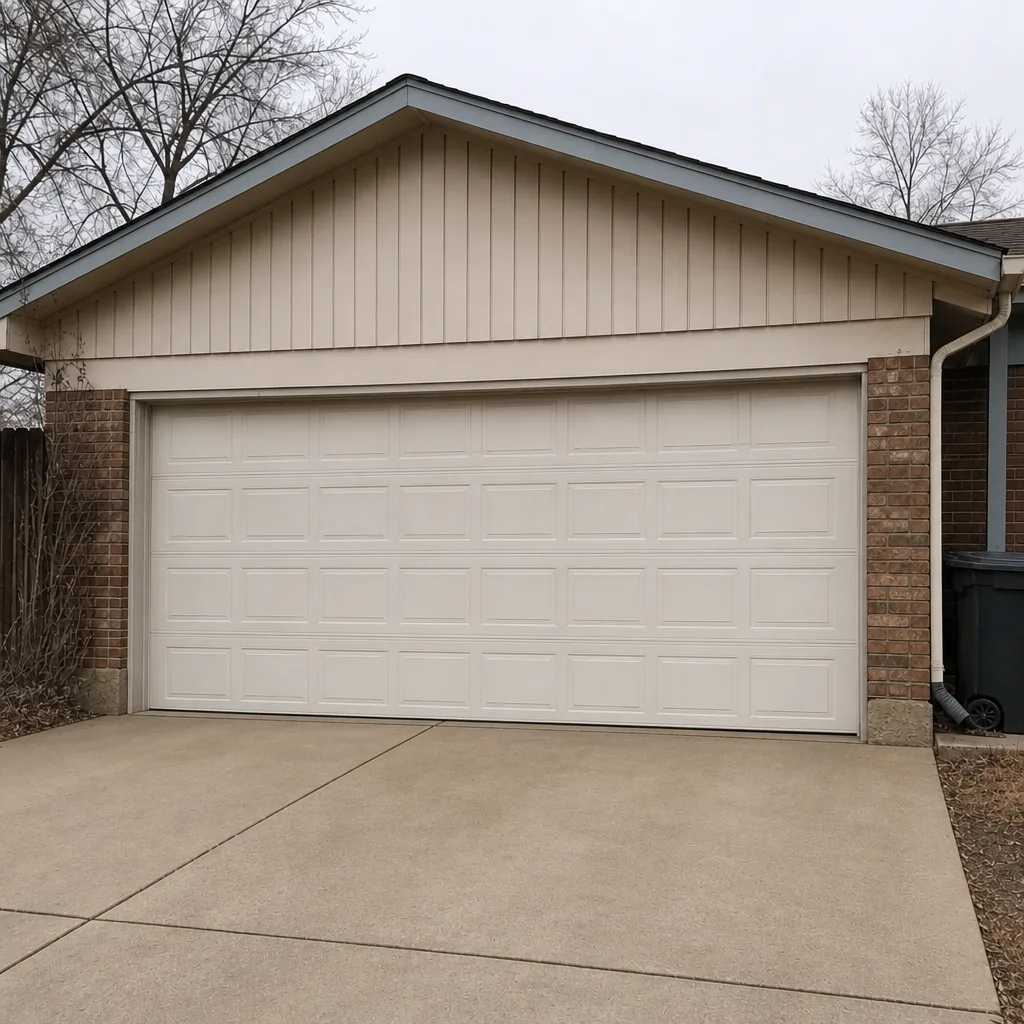
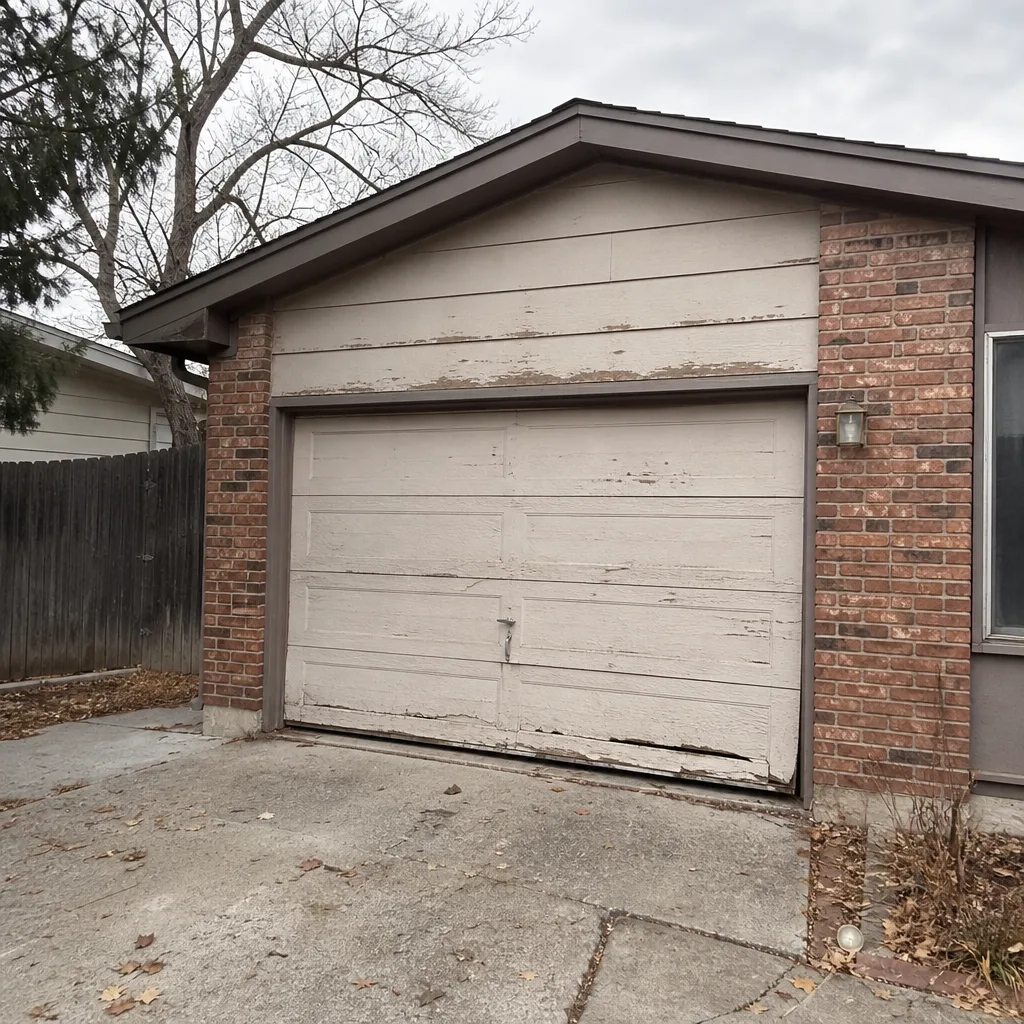
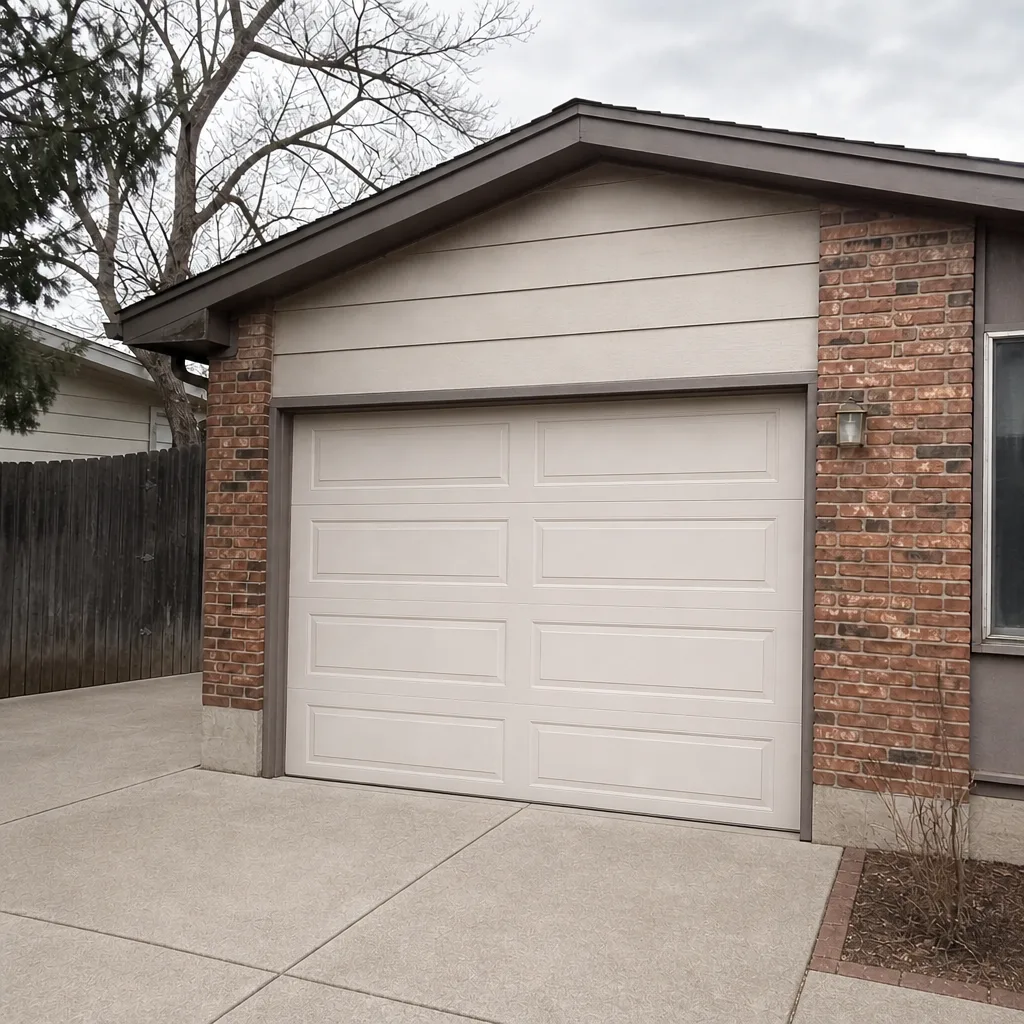
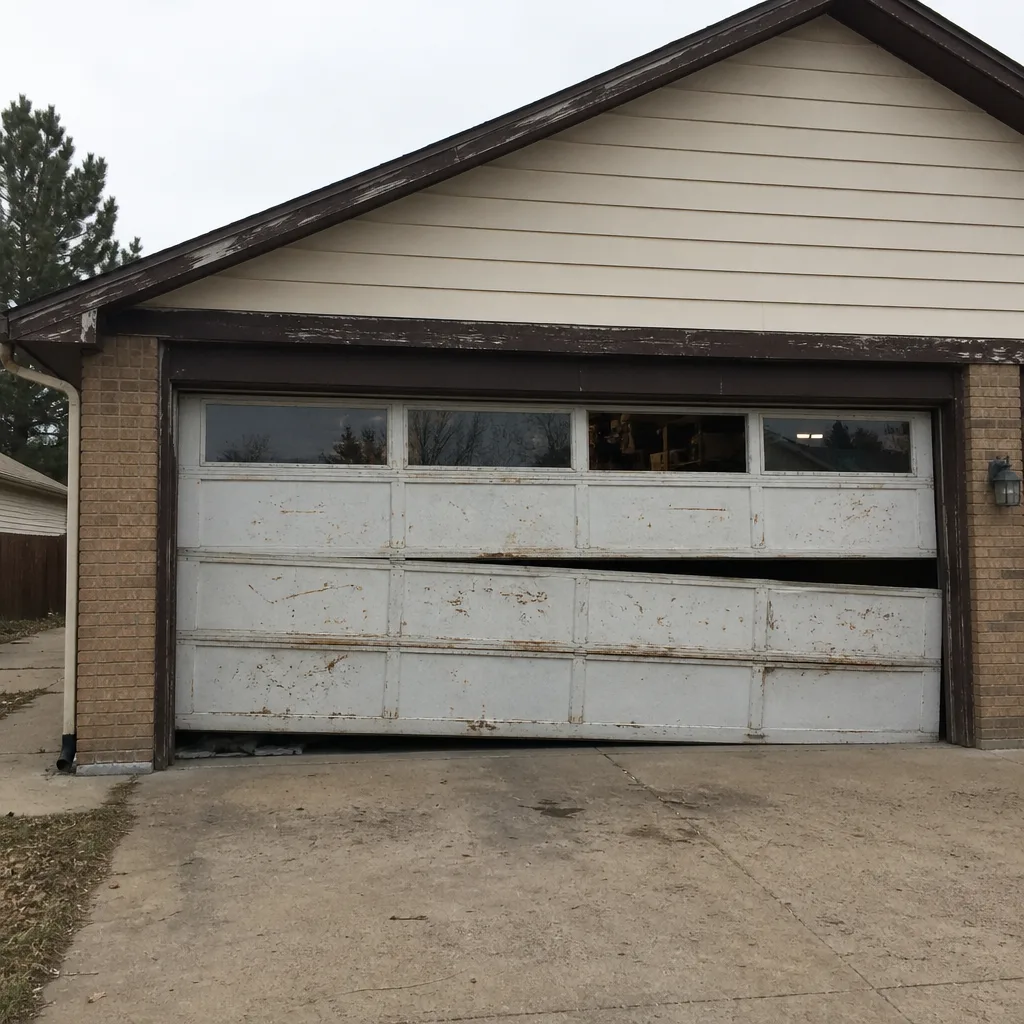
See the difference
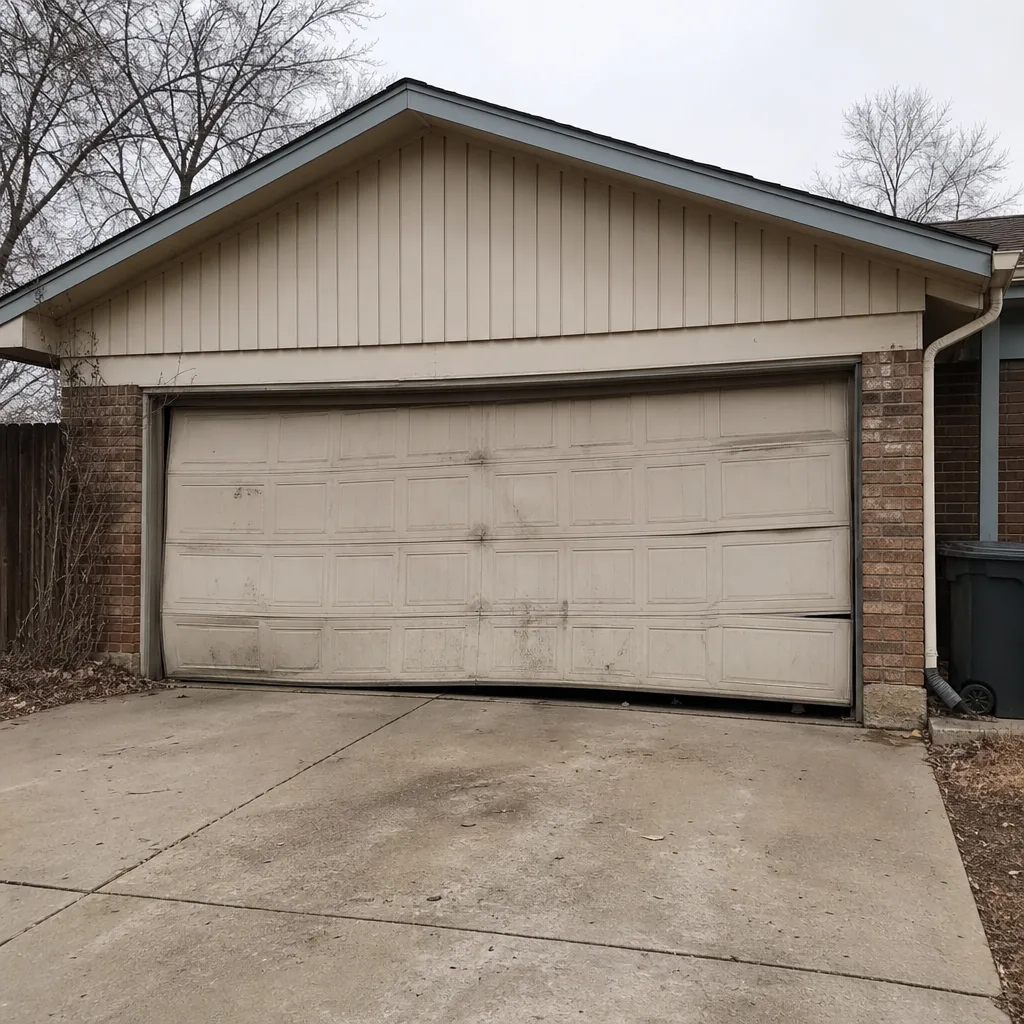 Before
 After
 Before
 After
 Before
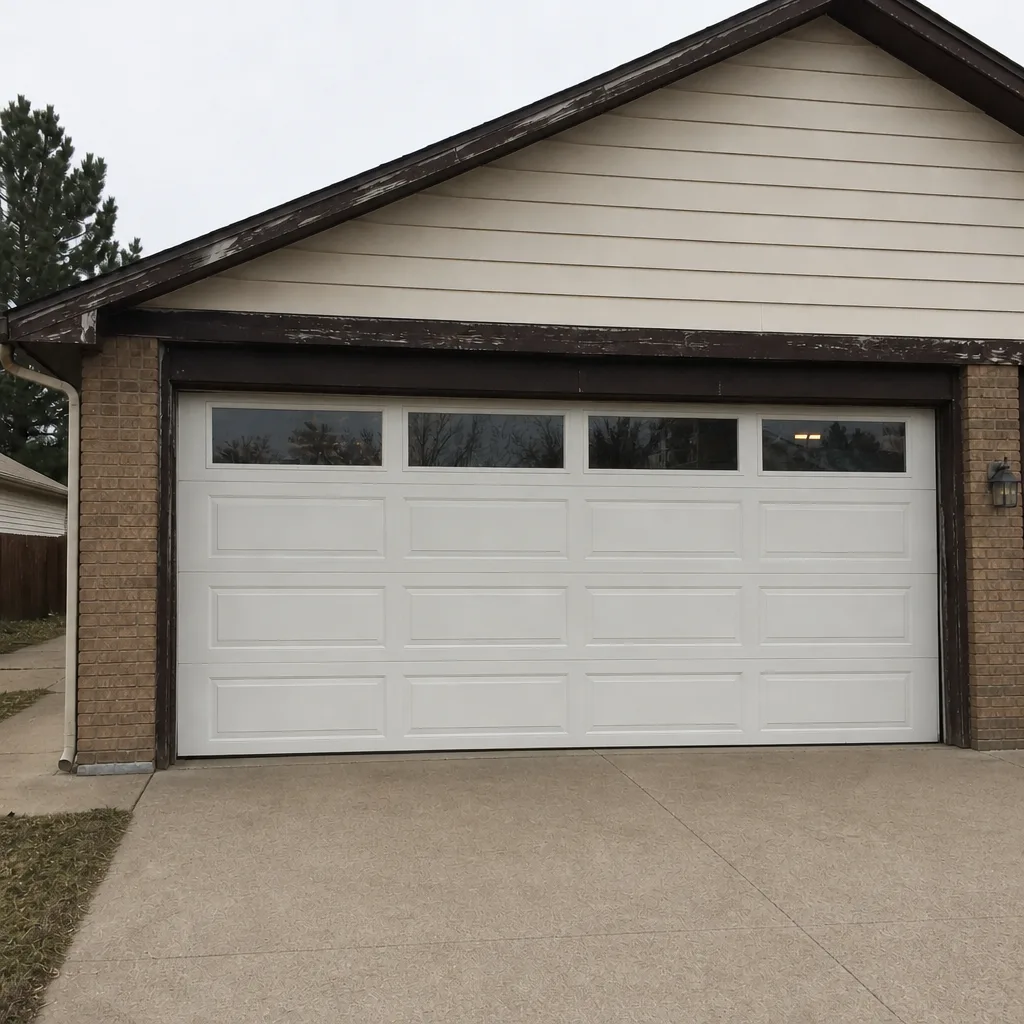 After
When to Call a Professional
Most of this guide is homeowner work, and that’s deliberate. But some situations aren’t. Call a professional if the door fails the balance test, if the springs show visible gaps or stretch, if the door comes off its track or hangs crookedly, if the opener reverses on its own or won’t complete travel, or if you hear a loud snap from the spring assembly. That last one is usually a spring breaking, and it’s not a job to attempt at home. A door that’s been frozen to the floor repeatedly and now sticks every morning is also worth a look, because the strain may have damaged the opener or the seal.
Arvada Garage Door Repair Co offers free estimates in Arvada. Call (855) 337-1853 and describe what the door is doing. Our technicians have up to 15 years of experience, we work on all the major brands, and we quote and agree the price before any work starts, so the written estimate is the number you’ll see.
Frequently Asked Questions
Yes, in terms of accumulated wear. Arvada spring days swing between cold nights and 60-degree afternoons, and that repeated expansion and contraction loosens hardware faster than sustained winter cold does. Winter makes a door stiff and slow. Spring makes it loose and rattly, and the looseness is what turns into a repair.
Twice a year is enough for most residential doors, once in the fall before the cold and once in spring after the thaw. Focus on the springs, hinges, and roller stems. Leave the tracks dry, since grease on the tracks attracts grit and makes the rollers drag.
Inspect and test the bottom seal. It’s the most weather-exposed part of the door, it’s the cheapest part to replace, and it’s the one that protects everything above it from cold air, meltwater, and pests. Do it in October and you’ll skip most of the December repair calls.
No. Torsion springs are under enough tension to cause serious injury, and the correct adjustment depends on measurements most homeowners don’t have. If the door fails the balance test or the springs show visible gaps or stretch, call a technician. Our team does spring work daily for exactly this reason.
Because the hardware has loosened. Thermal cycling through March and April works screws and bolts a fraction of a turn loose, and a door that sounded fine in February can rattle by May. The fix is usually a snug-up of the hinges and a fresh application of lubricant, both of which are safe to do yourself.
Whatever’s on your door and opener. Arvada Garage Door Repair Co works on LiftMaster, Chamberlain, Genie, Clopay, Amarr, Wayne Dalton, and Raynor, among others, and knowing the brand before the technician arrives saves real time. If you’re not sure, check the label on the back of the opener and the sticker on the door panel.
The Bottom Line
An Arvada garage door doesn’t need year-round attention. It needs two well-timed visits from the homeowner: a fall checklist before the first hard freeze and a spring check after the last one. In between, a monthly visual inspection and a balance test through wind season will catch almost everything early. Lubricate twice a year, leave the tracks dry, and keep the four-note phone log. If the springs look tired or the door fails the balance test, call a technician, because that work is dangerous and the safety margin is thin. Everything else, most years, is a ten-minute job.
Arvada Garage Door Repair Co works on all the major brands and offers free estimates throughout Arvada. When your door won’t move, call (855) 337-1853 and describe what it’s doing. Our technicians have up to 15 years of experience, we quote and agree the price before any work starts, and we handle it from a single broken spring to a full new installation.
Written by the team at Arvada Garage Door Repair Co.