Last updated November 23, 2026
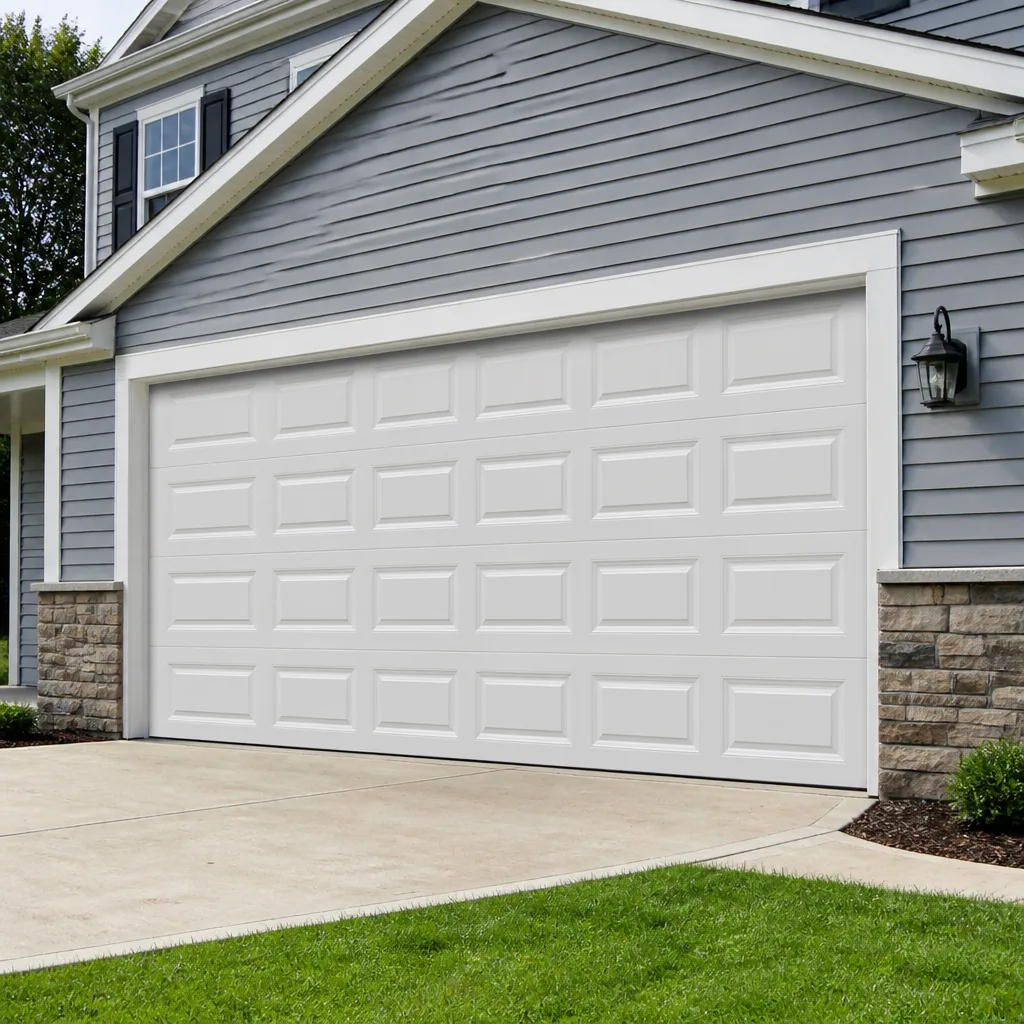 Raised-panel steel
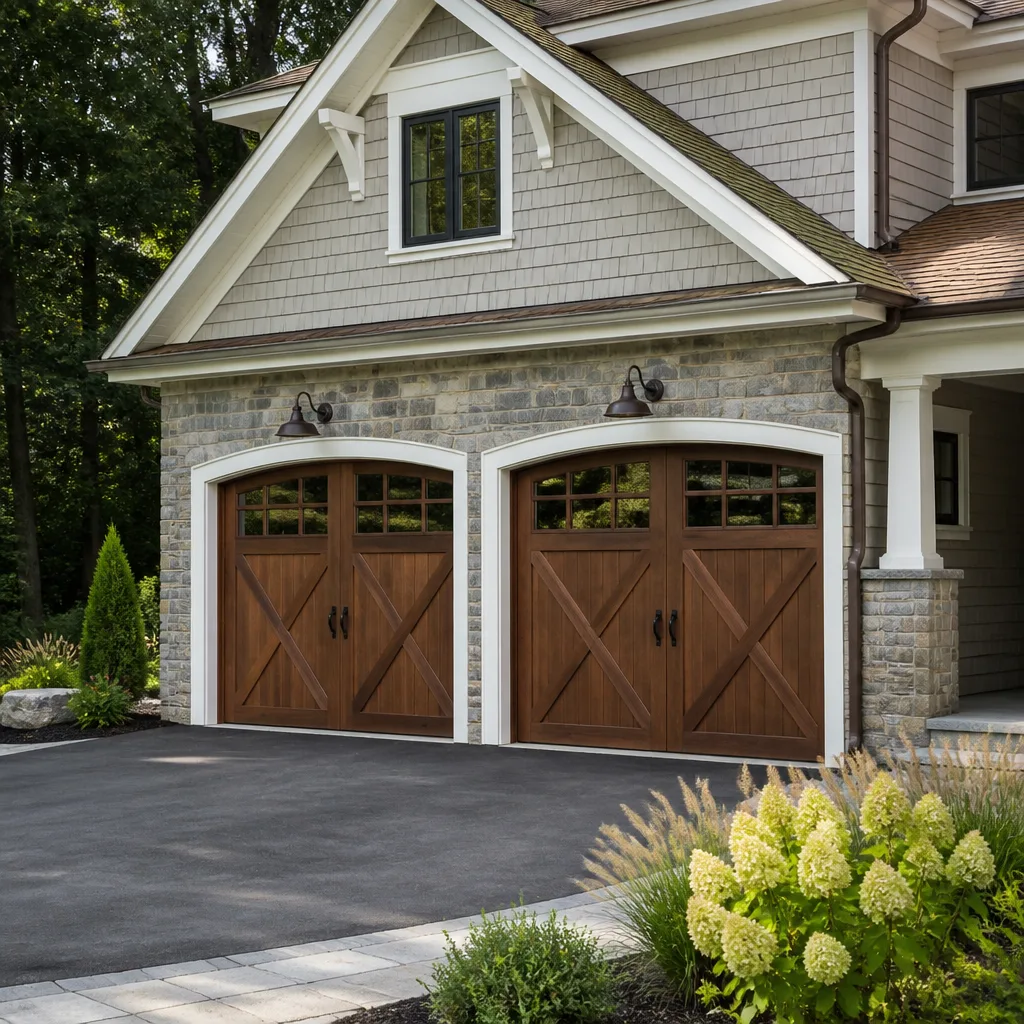 Carriage house
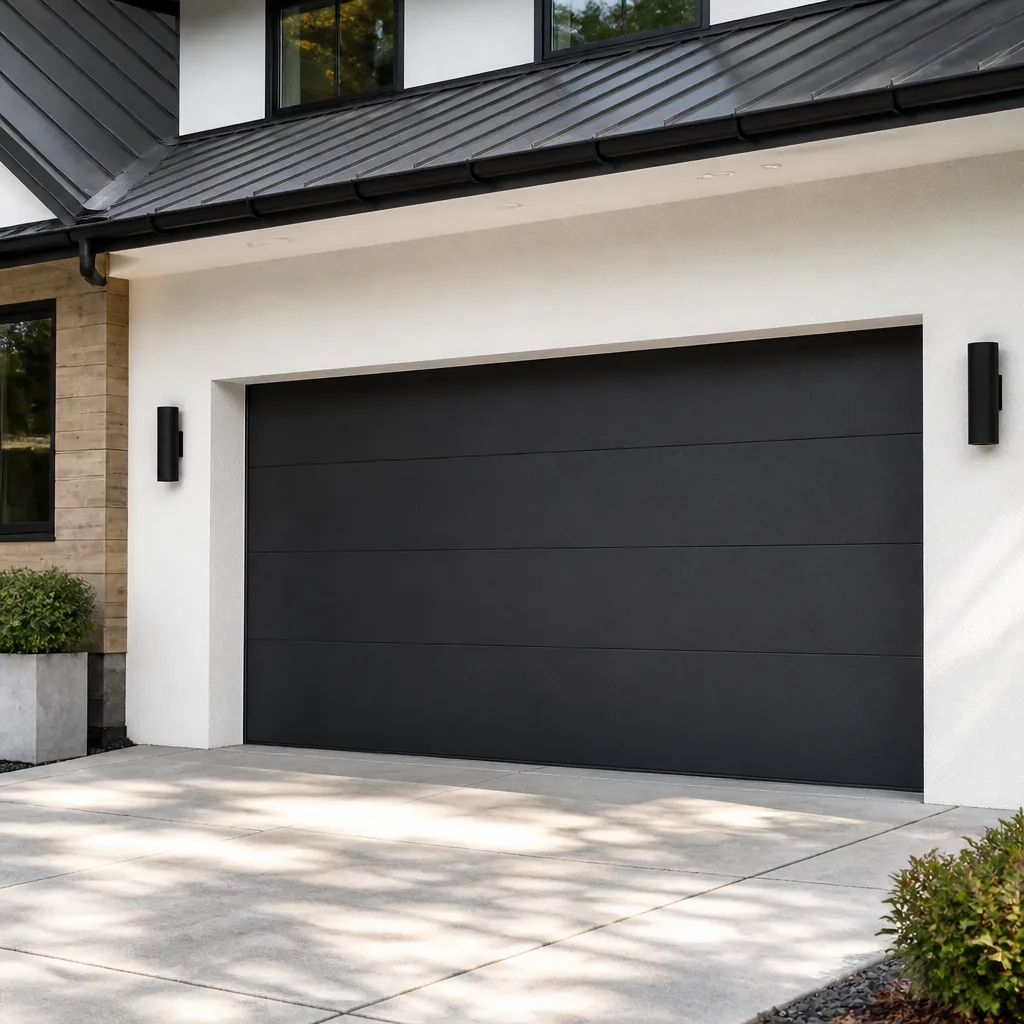 Modern flush
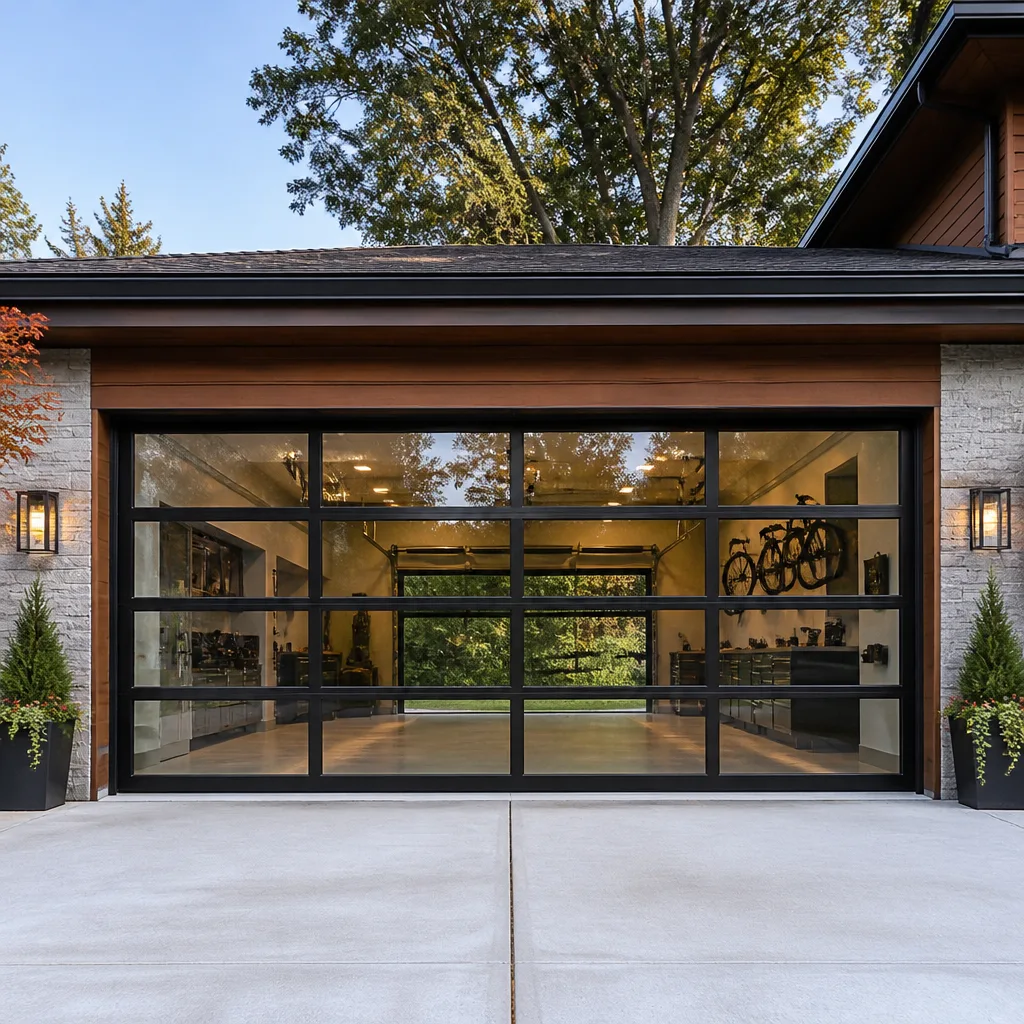 Full-view glass
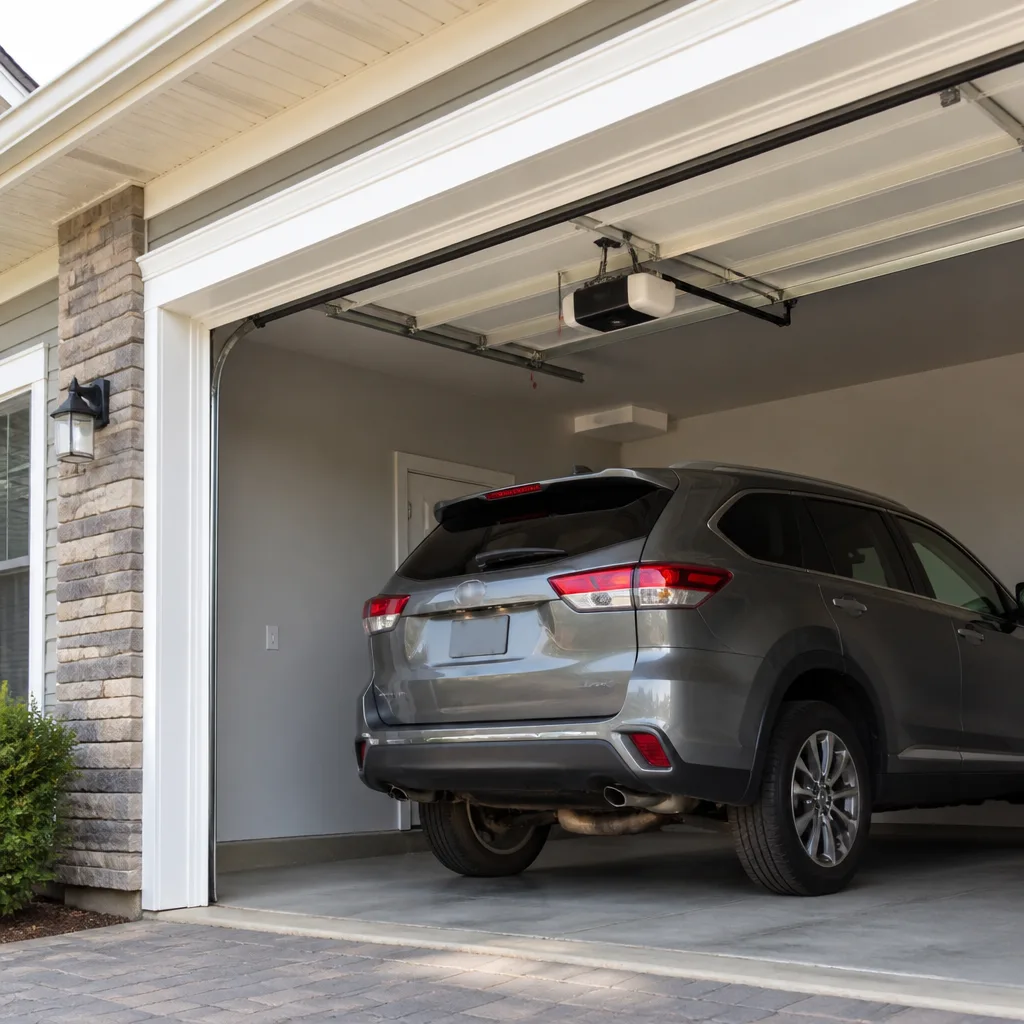 LiftMaster openers
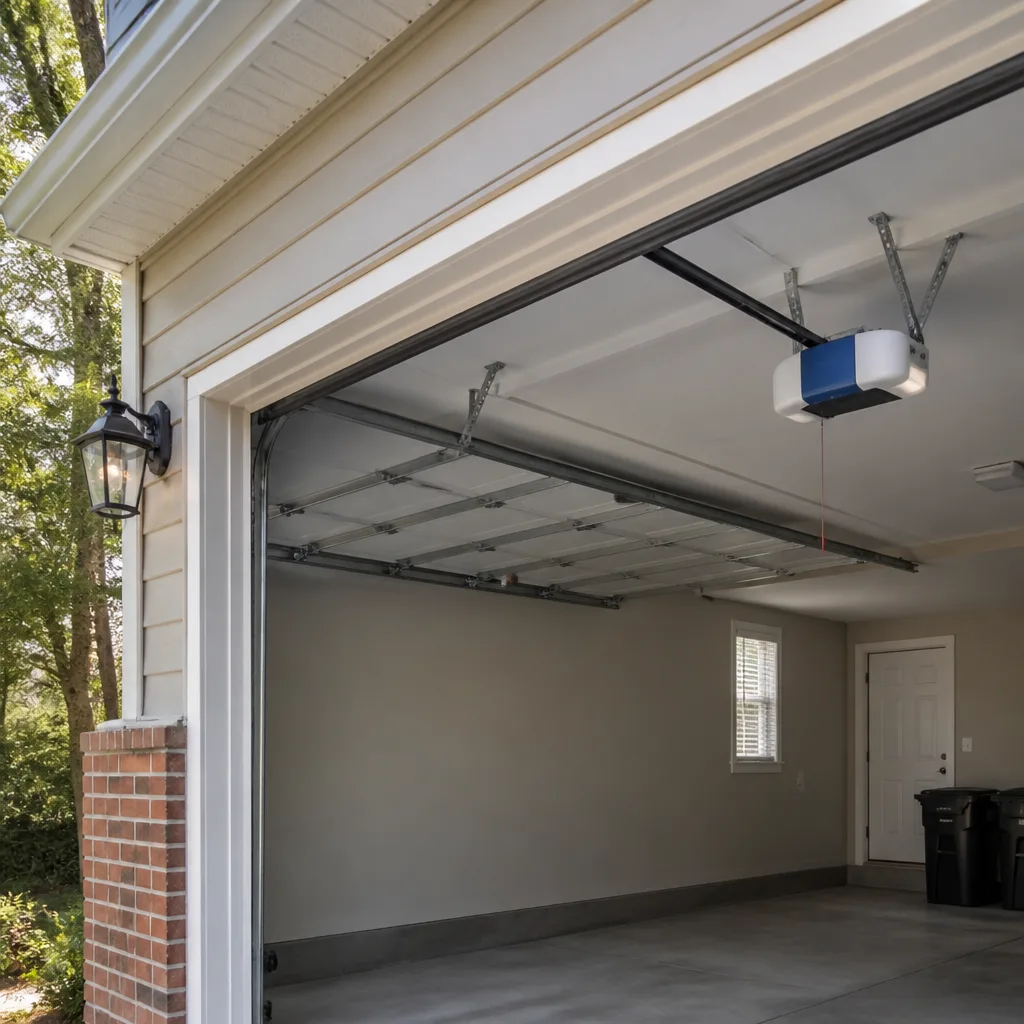 Chamberlain openers
Full 25-point door and opener safety check with every visit - springs, cables, rollers, tracks, and your LiftMaster or Chamberlain opener included
You get a price before we start. It does not change when the pro arrives.
Get your free estimateGarage Door Repair Maintenance Checklist for Arvada Homeowners
The most common reason a garage door in Arvada fails in January isn’t ice or cold. It’s a lubrication task that was skipped the previous October, back when the temperatures were still mild and nothing looked wrong. Cold doesn’t break a door. It exposes a door that was already working harder than it should. By the time a door groans on a single-digit morning, the wear has usually been building for months. This guide walks through the checks that actually matter for an Arvada door, timed around the stresses this climate and these seasons put on springs, cables, rollers and openers. You’ll get a practical checklist, the specific products that fail in sub-zero temperatures, and clear signs that something needs a trained technician.
Quick Answer
A garage door maintenance checklist for Arvada should include monthly visual checks of cables, springs and rollers, lubrication of hinges, rollers and tracks before cold weather arrives, a balance test, a weatherstripping check, and an opener force test. Most of these take under five minutes. The two tasks you should never do yourself are adjusting cables or replacing springs, since both store dangerous tension and require a trained professional.
Styles & brands we work with
- Raised-panel steel
- Carriage house
- Modern flush
- Full-view glass
- LiftMaster openers
- Chamberlain openers
Table of Contents
- Why Arvada Doors Need Their Own Maintenance Timing
- Lubrication: What to Use and What Fails in the Cold
- The Cable Tension Visual Check You Can Do Safely
- The Door Balance Test, Explained Properly
- Weatherstripping and Arvada’s Wind Patterns
- The 60-Second Opener Force Sensitivity Test
- A Seasonal Maintenance Calendar for Arvada
- When to Call a Professional
Why Arvada Doors Need Their Own Maintenance Timing
Arvada sits on the edge of the Front Range, and that location shapes how a garage door wears. Spring and fall bring wide temperature swings within a single day. A door that’s stiff at seven in the morning and loose by the afternoon is working against expanding metal, contracting seals and grease that thickens as the thermometer drops. That daily cycle of expansion and contraction is quiet wear. You don’t notice it until a roller seizes or a spring sags.
Generic maintenance advice usually says “check your door every month.” That’s not wrong, but it misses the point. The timing of each task matters more than the frequency. Lubricating in July is fine; lubricating in October, before the first hard freeze, is what prevents a January problem. Checking weatherstripping in spring is pleasant; checking it in late fall, before the wind season, actually saves you a drafty winter.
The Arvada neighborhoods that see the most seasonal wear on garage doors tend to be the ones most exposed to wind and temperature swings. Older homes around Olde Town Arvada, with wood-frame doors and decades of settling, react differently to cold snaps than newer construction out toward Candelas or the Ralston Valley area. A steel door in a newer build and a wood door in an older one are both fine systems, but they wear on different schedules.
What follows is a checklist built around those realities. It’s not a list of everything you could do. It’s the short list of things that most often lead to a repair call in Arvada, and how to catch them before they become one. If you’re dealing with a door that’s already stuck or broken, skip ahead to garage door repair instead of reading a maintenance guide.
One thing to know up front: a garage door is a heavy, spring-loaded machine. Most of the maintenance below is inspection and light lubrication, which is genuinely safe for a homeowner. The moment you’re tempted to adjust a cable or a spring, stop. That’s the line where a trained technician takes over.
Lubrication: What to Use and What Fails in the Cold
Good lubrication is the single most effective thing you can do to keep an Arvada door moving smoothly through winter. But the wrong product is worse than no product at all. Many homeowners reach for WD-40 because it’s in the garage already. It cleans and displaces moisture, which is fine for a squeaky hinge, but it isn’t a lubricant. It evaporates, leaves rollers dry, and can actually attract grit that accelerates wear. In sub-zero temperatures, a light spray that wasn’t meant for load-bearing parts does almost nothing.
What you want is a lithium- or silicone-based garage door lubricant made for moving metal parts. It clings, doesn’t thin out in the cold, and won’t gunk up the tracks.
The specific points that matter before winter
- Rollers. Apply a small amount to the stem and bearing of each roller, not the track. Metal rollers last longer than nylon in some cold conditions but both benefit from a light coat.
- Hinges. Every hinge gets a drop at the pivot point. A standard four-section door has several.
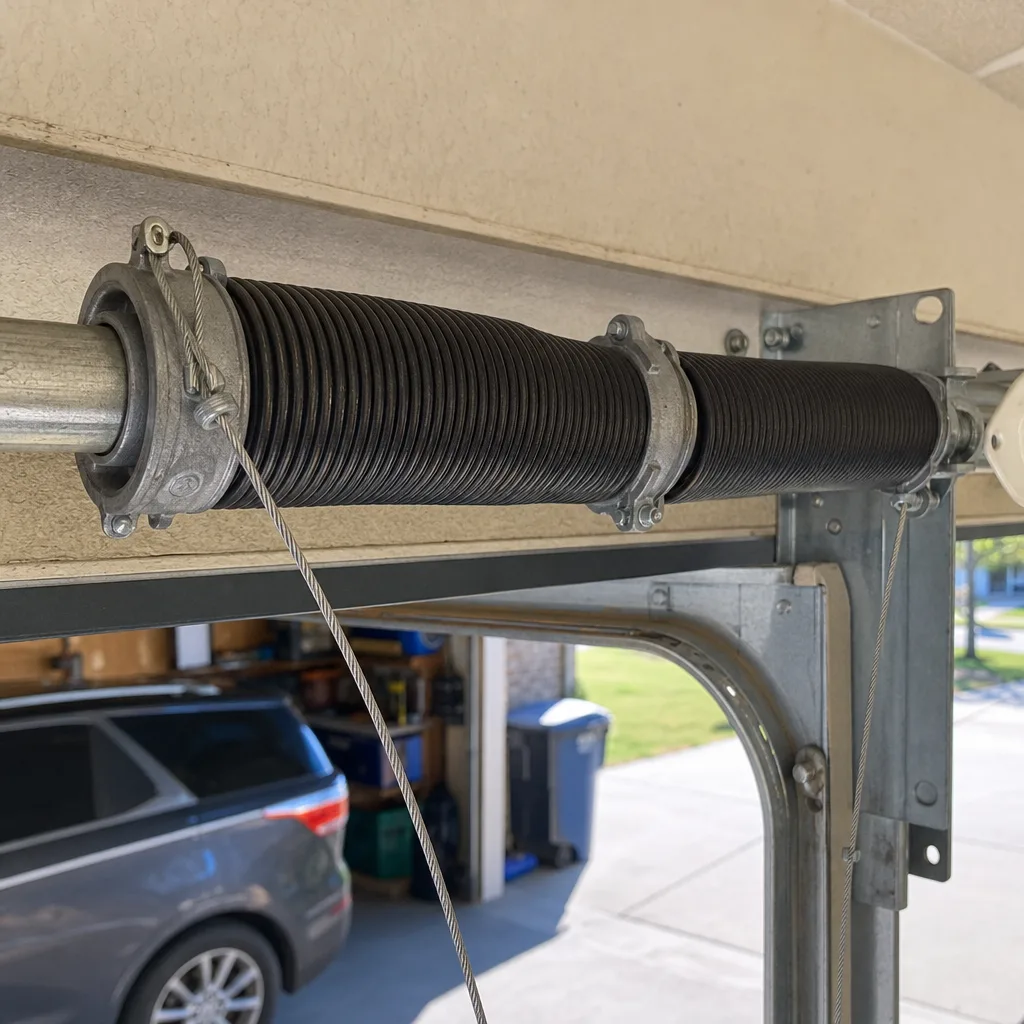
- Springs. A light coat on the spring coils reduces friction and slows corrosion.
- Bearings and the opener rail. Where the trolley and rail meet, a thin film keeps things gliding.
- Lock and handle. If your door has manual lock hardware, a graphite-based lubricant keeps it from freezing shut.
Do this in October, before the first hard freeze, when everything is still mild enough that the lubricant settles in properly. If you wait until the cold hits, you’ll be applying product to stiff, contracted parts and it won’t distribute as well. In our experience across Arvada, this single October task prevents more winter repair calls than anything else on this list. If your opener is straining rather than the door, that’s a different fix, and it’s worth knowing the difference between a door problem and one that calls for garage door opener repair.
The Cable Tension Visual Check You Can Do Safely
Cables run along the sides of your door and work with the springs to lift it. They’re under enormous tension. This is important: you check cables with your eyes, never with your hands. Most maintenance checklists either skip the cable check entirely or casually suggest you “make sure the cables are tight,” which is terrible advice if it invites you to grab one. The safe version is entirely visual, and it catches a surprising amount of trouble.
How to do the visual check
- Look first with the door closed. Stand to the side, never directly under the door, and check that both cables look straight and evenly wound around their drums at the top corners.
- Check for fraying. Frayed strands, a fuzzy look, or any kink in the cable means it’s failing. A cable can snap without warning once strands start breaking.
- Check that the cables sit in the drums. If a cable looks like it’s climbing off the drum or bunched to one side, stop using the door.
- Look for rust. Surface rust is common; deep pitting means the cable is weakened.
What you never do is reach up and test tension with your hand, spray a cable, or try to reseat one. If a cable is loose, off its drum, or visibly damaged, the door should stay down until a technician looks at it. A failing cable can let a door drop.
Arvada’s dry air and temperature swings make cable wear a little easier to spot than in humid climates: you’ll often see the first rust or fray before it fails. But that same dryness means a cable can fail suddenly once it does start to go. This is the kind of check that takes thirty seconds and tells you whether to schedule a repair before it becomes an emergency. Our technicians have up to 15 years of experience spotting exactly these early warning signs.
The Door Balance Test, Explained Properly
The balance test tells you whether your springs are doing their job. Springs carry most of the door’s weight; when they’re healthy, a door should move easily and hold its position partway up. When springs are failing, the door gets heavy, the opener strains, and eventually something gives.
Here’s how a balanced door actually feels at the halfway point. Disconnect the opener first (most have a manual release pull), then lift the door by hand about halfway up. It should feel light, roughly the weight you’d expect from a door that’s being helped. When you let go, it should stay where you left it, or drift only slightly. That’s balance. A door that drops back down on its own, or takes real effort to lift, is out of balance and pointing to a spring problem.
What deviation signals
- Door falls quickly when released. Springs have lost tension and aren’t carrying the weight anymore.
- Door is very hard to lift by hand. Same cause, often worse.
- Door feels heavier on one side. One spring may have failed, or a cable issue on one side.
- Door drifts slowly down. Springs are on their way out and worth checking soon.
Do this test before you ever think about adjusting a spring. Springs are dangerous; leave them to a technician who does this daily. If your balance test fails, that’s the signal to book professional garage door spring repair rather than try to tune it yourself. Our team works on the spring systems behind every major brand, and diagnosis is usually quick once we can see the door in person.
Weatherstripping and Arvada’s Wind Patterns
Weatherstripping is the rubber seal along the bottom and sides of your door, plus the sweep at the top that seals against the frame. It keeps out wind, water, cold and pests. In Arvada, the direction your door faces matters a lot. A west-facing door takes the brunt of the wind that comes across the Front Range, and that constant pressure wears the seal faster than a door tucked on a sheltered side of the house. If your door faces west or sits on an exposed wall, expect to check and replace the weatherstripping sooner than a neighbor whose door is protected.
How to inspect it
- With the door closed, run your hand along the bottom sweep. Feel for gaps, cracks, hard or brittle rubber, or spots that have pulled away.
- Look for daylight. If you can see light under the door from inside, the seal is failing.
- Check the side jambs and top sweep for the same hardening and gaps.
- Check for water intrusion after a storm; a wet strip along the inside of the door points to a seal problem.
Weatherstripping is one of the few maintenance tasks a homeowner can genuinely do well. Replacement bottom seals are inexpensive and easy to fit. The reward is real: a good seal cuts drafts, keeps out dust from Arvada’s dry spells, and keeps snowmelt from working its way under the door. West-facing doors are worth checking in late fall, before the wind and cold settle in for the season.
The 60-Second Opener Force Sensitivity Test
Your opener has a force setting that governs how hard it pushes the door up and how hard it pulls down. If the setting is too high, the opener works too hard, and eventually the motor, the gears or the logic board gives out. Too low, and the door stops and reverses when it shouldn’t. This test takes about a minute, needs no tools, and tells you whether your opener is straining.
How to check it
- Run the door down and, while it’s moving, place a firm hand against the bottom edge. The opener should reverse and stop.
- Run the door up and do the same at the bottom. It should stop and reverse under reasonable resistance.
- Listen to the motor. A healthy opener sounds steady. A grinding, groaning or struggling sound means it’s working too hard.
- Watch the door’s behavior. If it slams down and bounces at the bottom, or stops before it fully seals, the force setting or travel limits need attention.
If the door reverses under light pressure, that’s the safety system doing its job. If the door barely moves when you press the remote, or struggles and grinds, the opener may need service. Different brands react and report faults differently, and knowing the specific system saves a lot of guesswork. We’re factory-familiar with LiftMaster, Chamberlain, Genie, Craftsman, Raynor and several others, so a diagnosis usually covers the right part the first time. If the opener itself is the problem, that’s a job for a technician rather than a homeowner, since the internal force and travel settings have to be tuned correctly for the door to be safe.
A Seasonal Maintenance Calendar for Arvada
The most useful way to think about all of these checks is by season. Here’s how the tasks above fit into an Arvada year.
Spring (after the last freeze, roughly March to May)
- Run the door balance test and listen for new noises after the cold season.
- Check weatherstripping for winter damage and replace anything cracked.
- Look at the springs and cables visually for rust or wear from the wet spring thaw.
- Clean the tracks of grit and grime from winter.
Summer (June to September)
- Recheck the opener force test as temperatures warm and the door loosens up slightly.
- Check the track alignment, since thermal expansion can shift a rail.
- Tighten exposed bolts on hinges and brackets if you notice vibration.
- Look at the roller bearings for wear from a full season of use.
Fall (October to November, the key season in Arvada)
- Lubricate hinges, rollers, springs and the opener rail with a proper lithium- or silicone-based product before the first hard freeze.
- Recheck the balance test, since a soft spring is easier to spot before it’s under winter load.
- Inspect the bottom seal and side weatherstripping, especially on west-facing doors.
- Test the safety reverse and the door’s closing force.
Winter (December to February)
- Keep the tracks clear of ice and snow at the bottom of the door.
- Avoid forcing a frozen door open; let it free itself or call for help.
- Watch for the opener straining early in the morning after a cold night, which points to the lubrication you skipped in fall.
This calendar is the practical difference between a checklist and a plan. Timing the tasks around Arvada’s actual seasons is what keeps the door working through the hardest month.
Common Mistakes to Avoid
- Using WD-40 on rollers and hinges. It cleans and displaces moisture, but it doesn’t lubricate the load-bearing parts and leaves them dry. Use a garage door lubricant made for the job.
- Trying to adjust or replace springs yourself. Springs are under dangerous tension and can cause serious injury. This is the one part of the checklist to leave to a technician.
- Grabbing or testing cables with your hands. The safe cable check is visual only. Reaching for a cable to “see if it’s tight” is a real safety risk.
- Waiting until the cold hits to lubricate. Arvada’s first hard freeze is well before the door starts complaining, so do it in October when the lubricant distributes properly.
- Overlooking a west-facing door’s weatherstripping. The wind pressure on an exposed side wears the seal faster than a sheltered door, so check it earlier.
- Ignoring a struggling opener. A grinding or slow motor is usually trying to lift a door with a failing spring, and running it that way burns out the motor faster.
- Skipping the balance test. A door that’s hard to lift or won’t hold partway up is telling you the springs are failing, and it’s better to hear that early.
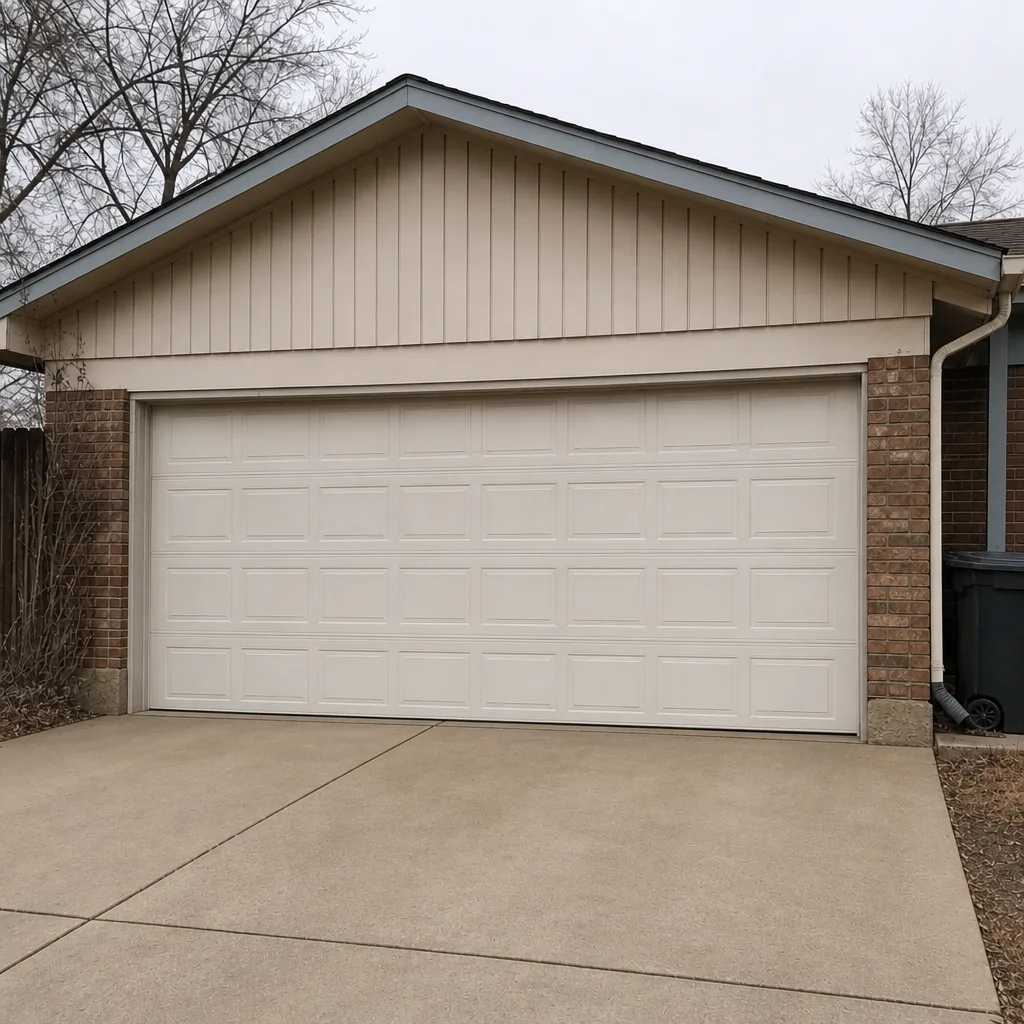
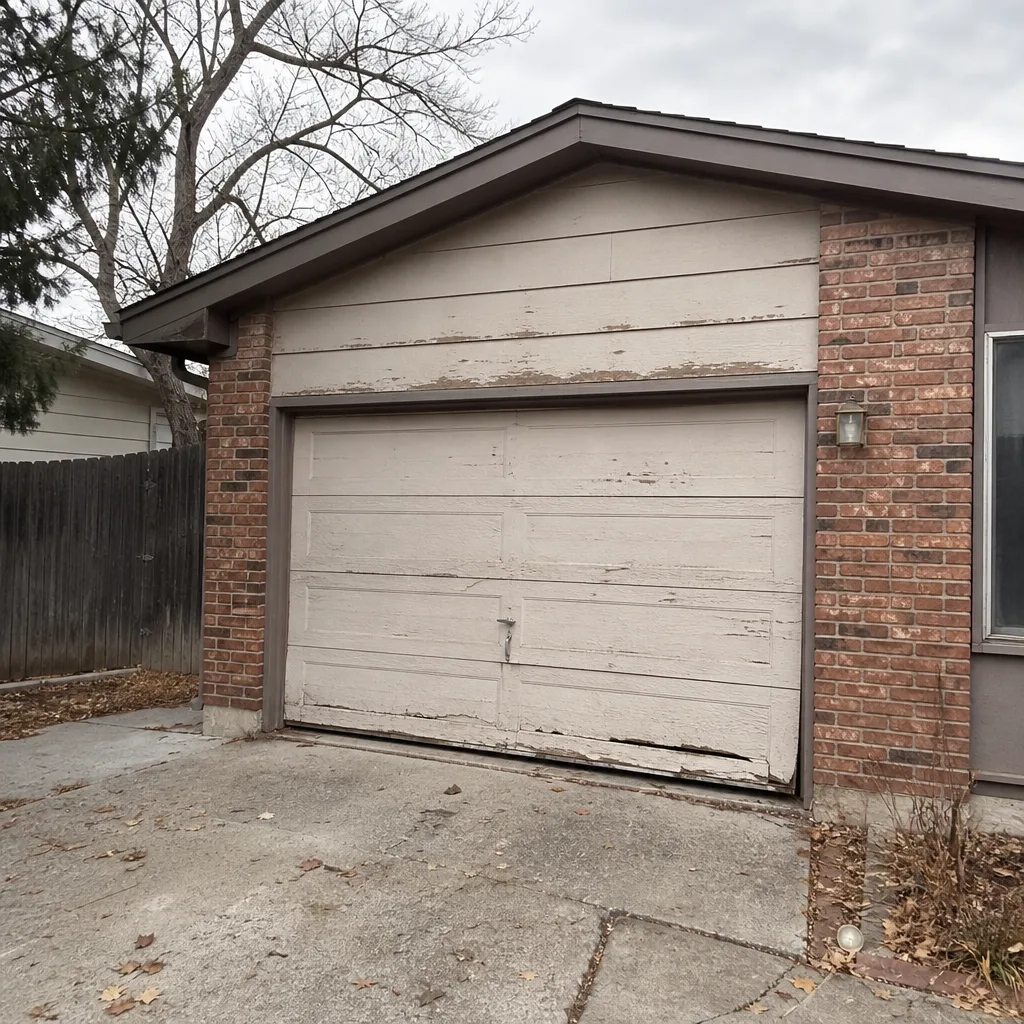
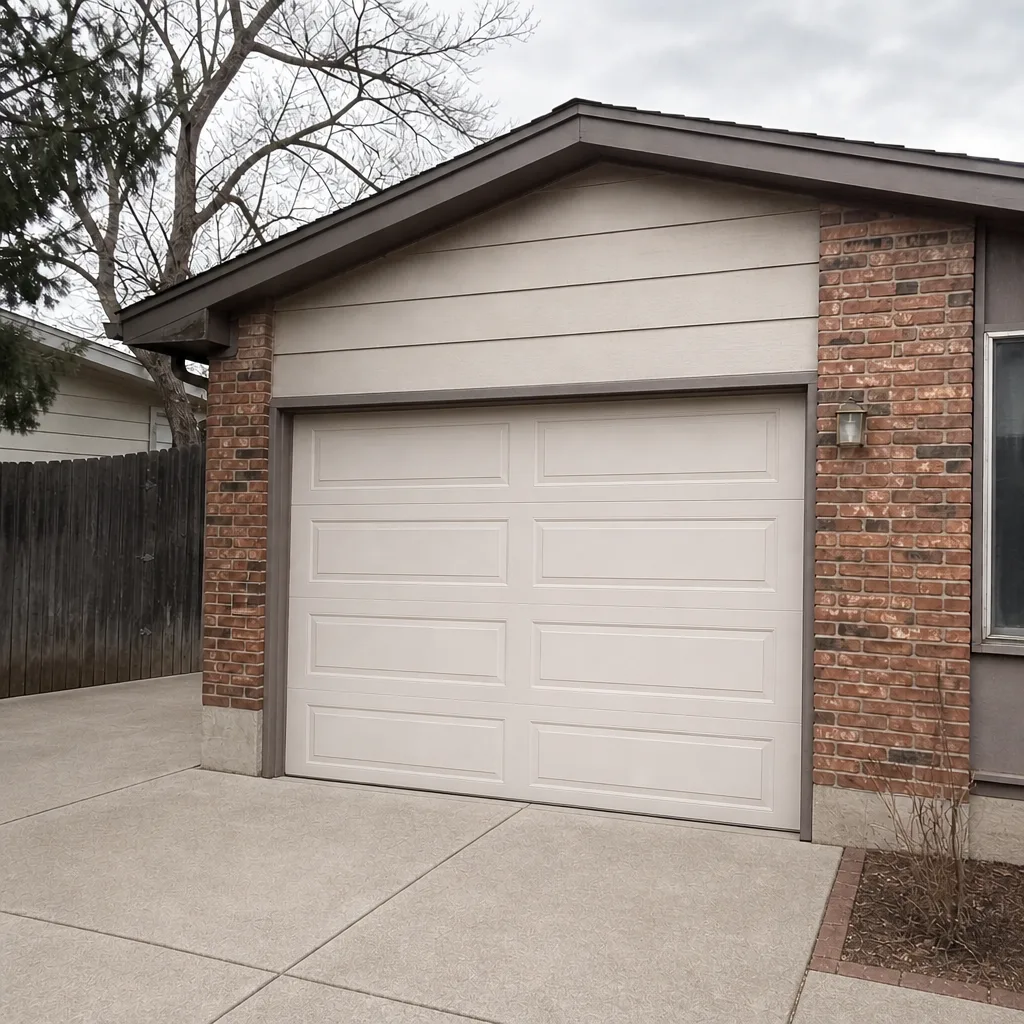
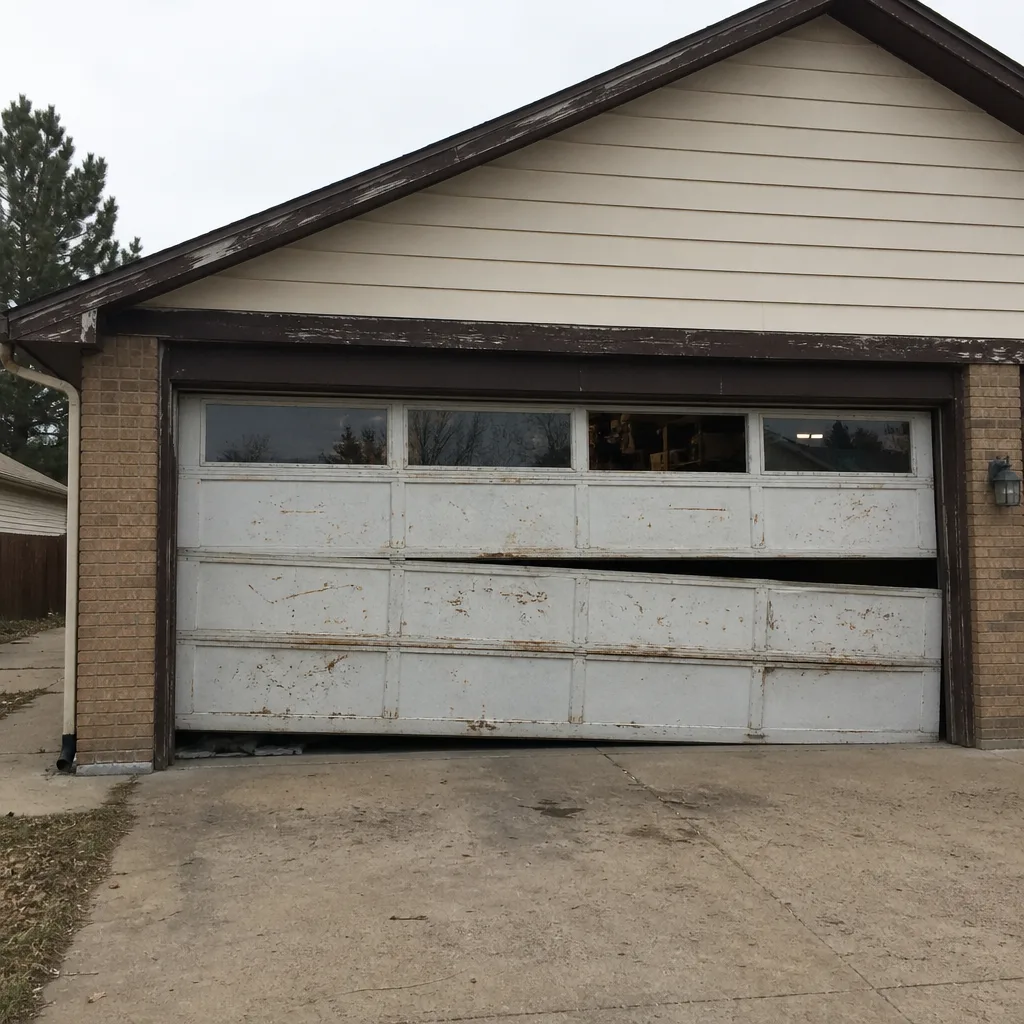
See the difference
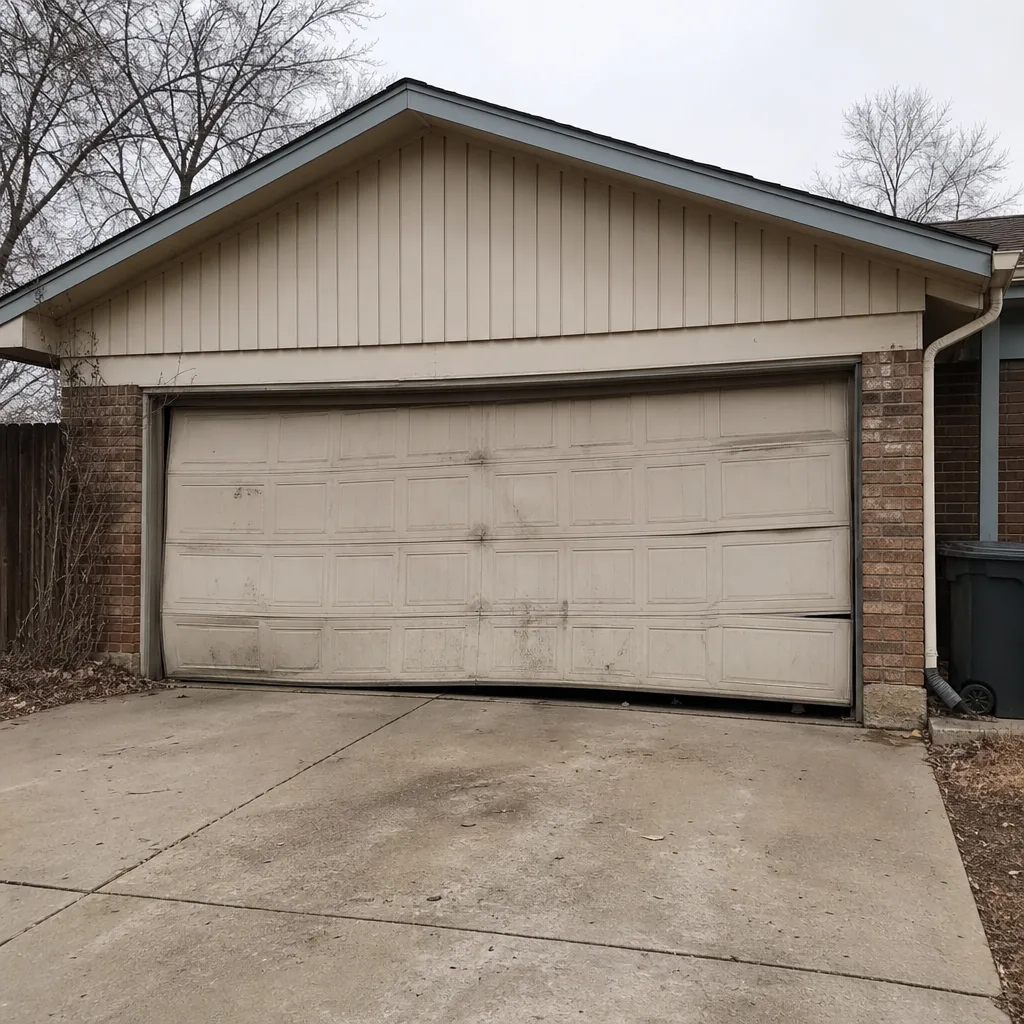 Before
 After
 Before
 After
 Before
 After
When to Call a Professional
Most of this checklist is something an Arvada homeowner can do on a mild afternoon. But there are clear moments to stop and call a technician. Any broken spring, a door that’s dropped or hanging unevenly, a cable that’s off its drum or visibly frayed, a door that’s off its tracks, or an opener that strains and grinds. If the door doesn’t pass the balance test, or you hear a metallic bang from the garage, that’s a repair, not maintenance. And if the door is stuck open or shut and you can’t secure it on your own, that’s a case for emergency help rather than waiting on a scheduled visit. Arvada Garage Door Repair Co offers free estimates in Arvada, and the written price is agreed before any work starts. Call (855) 337-1853 to book a visit.
Frequently Asked Questions
At minimum, do a visual check and a balance test every month and a full lubrication pass once a year in October, before the cold. Arvada’s wide temperature swings mean fall lubrication and a pre-winter weatherstripping check are the two most important tasks. A quick monthly look at cables and rollers covers the rest for most homes. Call (855) 337-1853 for help with any check you’re not comfortable doing yourself.
Use a lithium- or silicone-based garage door lubricant made for moving metal parts, and avoid WD-40 or a general-purpose spray on rollers and hinges. WD-40 cleans but doesn’t lubricate load-bearing parts, and it leaves rollers dry in sub-zero temperatures. Apply the correct lubricant in October while it’s still mild so it settles properly. If you’re unsure which product fits your door, our technicians can tell you what works. Call (855) 337-1853 for a free estimate.
You can check it visually, but never with your hands. Look at both cables with the door closed and check for even winding, fraying, rust or a cable climbing off its drum. If you see any of those, keep the door down and call a technician. Reaching for a cable or trying to reseat one is dangerous. Call (855) 337-1853 for professional spring and cable help.
A balanced door feels light to lift by hand and stays where you leave it when you let go at the halfway point. If it drops back down on its own or takes real effort to lift, the springs are losing tension. That’s a sign to book a spring inspection rather than keep running the door. Call (855) 337-1853 for a free estimate.
Cold thickens old grease, contracts metal and stiffens rubber seals, so a door that felt fine in October works harder in January. The usual root cause is lubrication that was never done before the freeze, or springs that were already weak and are now exposed by the cold. A pre-winter lubrication pass and a balance check in fall prevent most of these January problems. If the door is already struggling, it’s worth a professional look before the motor wears out. Call (855) 337-1853 to book a visit.
No, the written price you agree to is the price, and we quote it before any work starts. We look at the door, explain what we find, and put the price in writing so there’s no surprise on the invoice. That applies to a simple adjustment or a full repair. Call (855) 337-1853 for a free estimate at your Arvada home.
The Bottom Line
A garage door maintenance checklist for Arvada works best when it’s timed around the real stresses the door faces: dry air, wind, and big temperature swings. Do the visual checks monthly, lubricate properly in October with the right product, run the balance and force tests, and inspect weatherstripping early on exposed doors. Keep the dangerous parts, springs and cables, strictly visual, and call a technician the moment something looks off. Doing the safe work yourself and handing off the risky work is what keeps a door reliable all year. If you’d rather have a trained eye go over everything at once, Arvada Garage Door Repair Co offers free estimates across Arvada. Call (855) 337-1853 to schedule one.
Written by the team at Arvada Garage Door Repair Co.